



Search News
Industry Portal
Popular Tags
Urban Rail Pantographs: Common Wear Problems and Fixes

Author
Time
Click Count
Urban Rail Pantographs: Common Wear Problems and Fixes
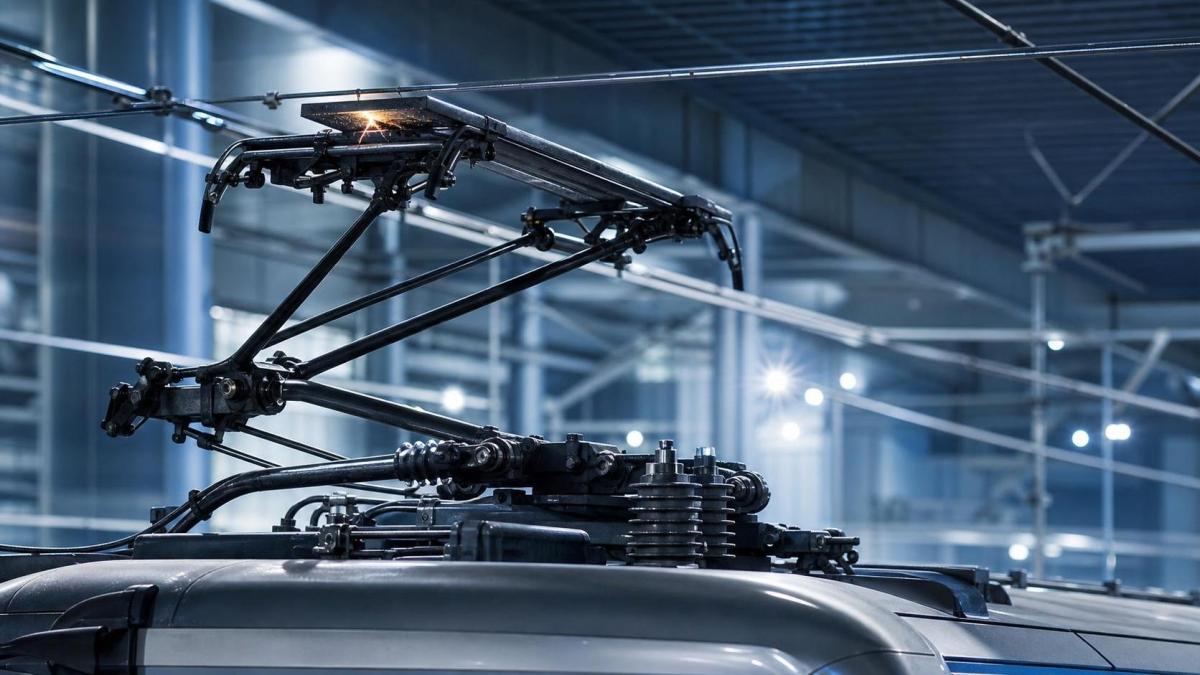
Urban rail pantographs work under nonstop pressure. Vibration, arcing, dust, humidity, and friction all attack the contact system every day.
That is why wear is one of the biggest reasons for unstable current collection, service delays, and avoidable component replacement.
For maintenance teams, faster fault isolation starts with knowing how urban rail pantographs usually fail in real operating conditions.
This guide explains the most common wear patterns, what causes them, and the practical fixes that improve reliability without adding unnecessary maintenance time.
From a fleet perspective, better pantograph care also protects the catenary, reduces emergency callouts, and supports more stable daily operations.
Why urban rail pantographs wear faster than expected
Urban rail pantographs face a different duty cycle than many mainline systems. They start, stop, accelerate, and brake more frequently.
That repeated motion changes contact force behavior. It also increases the chance of micro-separation between the strip and contact wire.
More obvious signals appear in tunnels, tight curves, transition zones, and sections with poor wire geometry.
Contamination makes things worse. Carbon dust, brake debris, moisture, and oily deposits can turn a small wear issue into a repeating failure.
In practice, urban rail pantographs rarely fail from one cause alone. Most wear problems come from several small issues building up together.
1. Contact strip wear: the most common pantograph problem
Contact strip wear is usually the first thing technicians notice on urban rail pantographs. It is also the easiest early warning sign to track.
Typical symptoms
- Uneven strip thickness from one end to the other.
- Localized grooving, chipping, or edge cracking.
- Fast material loss after recent replacement.
- Overheating marks or discoloration near contact zones.
Likely causes
The usual causes include incorrect contact force, misalignment, poor strip material match, wire defects, or contamination on the contact surface.
If the strip wears more on one side, the issue often points to pan head alignment or frame geometry drift.
Practical fixes
- Measure strip thickness at fixed inspection points each cycle.
- Compare left and right wear data, not just average wear.
- Verify static and dynamic contact force against specification.
- Check pan head alignment before replacing strips again.
- Review catenary condition if rapid wear repeats on the same route.
This approach prevents a common mistake: replacing strips while leaving the root cause untouched.
2. Arcing damage and burn marks
Arcing is one of the most damaging wear mechanisms in urban rail pantographs because it attacks both electrical and mechanical performance.
A brief arc may look minor. Repeated arcing, however, quickly shortens contact strip life and can damage overhead line components.
What to look for
- Burn spots on strips or collector head surfaces.
- Pitted material with rough, melted edges.
- Carbonization and heat damage around joints.
- Frequent onboard alarms tied to current collection instability.
Why it happens
Arcing often starts when contact is briefly lost. That can come from bounce, uplift variation, worn suspension parts, or bad wire stagger.
In wet or polluted environments, surface films can also disturb smooth current transfer and trigger more frequent arcing.
Best fixes
Start with force verification and frame movement checks. Then inspect the strip surface, horn condition, and collector head freedom of movement.
If arc marks concentrate in certain track sections, coordinate with overhead line teams. Repeating route-based arcing is rarely only a vehicle problem.
3. Mechanical joint wear and looseness
Not all urban rail pantographs fail at the strip. Mechanical joints, pins, bushings, and linkages often wear quietly until performance drops.
This is where vibration becomes a hidden cost. Slight looseness changes motion quality, then leads to unstable contact under dynamic conditions.
Common signs
- Abnormal free play during manual inspection.
- Rattling noise during raising or lowering.
- Slower response from the pantograph mechanism.
- Uneven contact behavior even after strip replacement.
Fix strategy
Measure wear at pivot points, not just by feel. Visual checks alone miss many borderline components.
Replace worn bushings and pins in matched sets where required. Mixed old and new parts can create uneven loading.
Also confirm torque values on critical fasteners. Looseness that returns after tightening usually points to worn seats or fatigue damage.
4. Spring, damper, and pneumatic wear
Urban rail pantographs depend on stable force control. Springs, dampers, and pneumatic units all influence how smoothly the head follows the wire.
When these parts age, wear on the contact strip usually increases before the actuator fault becomes obvious.
Failure indicators
- Inconsistent raising time between vehicles.
- Unstable contact force during testing.
- Visible leakage in pneumatic lines or seals.
- Head bounce after passing section changes.
What works in the field
Trend contact force data over time. Small drift is easier to correct than a sudden in-service failure.
Replace aged seals proactively in harsh climates. Moisture and temperature swings accelerate pneumatic wear more than many teams expect.
If damper performance is doubtful, test response instead of relying only on visual appearance. Many worn dampers look acceptable from outside.
5. Contamination, corrosion, and insulation-related wear
Some urban rail pantographs operate in coastal air, tunnels, industrial zones, or heavy rainfall. In these places, contamination becomes a wear multiplier.
Dust mixed with moisture forms conductive films. Salt and corrosion products can also attack metal surfaces and weaken electrical stability.
Risk areas
- Insulators with tracking marks or grime buildup.
- Corroded fasteners and exposed metal interfaces.
- Deposits around collector head joints.
- Drainage paths blocked by dirt or debris.
Corrective actions
Adjust cleaning intervals to actual route exposure, not only calendar intervals. A tunnel-heavy line may need a completely different cleaning plan.
Use approved cleaning methods that protect strip material, insulation surfaces, and moving joints. Aggressive cleaning can create new wear problems.
If corrosion repeats on the same hardware, review sealing, coating quality, and drainage, not just replacement frequency.
A practical inspection routine for urban rail pantographs
A good maintenance routine keeps urban rail pantographs from turning small defects into service disruptions.
The most effective routines are simple, repeatable, and tied to clear acceptance limits.
When possible, combine routine inspection with route-based failure history. That makes urban rail pantographs easier to maintain predictively, not reactively.
How smarter maintenance reduces repeat pantograph failures
The biggest improvement often comes from better records, not more labor. Wear trends tell a clearer story than one-time inspections.
Track strip life by route, season, vehicle type, and overhead line condition. Patterns usually appear faster than expected.
This also supports better parts planning. Replacing the wrong components too early wastes budget, while replacing them too late risks service reliability.
For organizations following broader asset strategies, platforms such as GTOT highlight how component intelligence supports safer, more efficient transport systems.
That wider view matters because pantograph wear is not just a workshop issue. It affects fleet availability, power quality, and network confidence.
Final takeaway
Urban rail pantographs wear in predictable ways. Contact strip loss, arcing, looseness, force drift, and contamination are the problems seen most often.
The fix is rarely complicated, but it does require disciplined inspection, accurate measurement, and attention to recurring route conditions.
If you want fewer repeat failures, start by linking wear patterns to root causes instead of treating every pantograph issue as a simple replacement job.
That shift leads to longer strip life, steadier current collection, and more reliable urban rail pantographs across the whole fleet.
Recommended News
 Jul 30, 2026How to Specify Traction Power Equipment Switchgear for Urban Rail ProjectsTraction power equipment switchgear selection for urban rail starts with system duty, fault levels, maintainability, and lifecycle cost. Learn how to specify the right solution with confidence.
 Jul 15, 2026How to Evaluate an Urban Rail Pantograph Manufacturer for Long-Term ReliabilityUrban rail pantograph manufacturer selection affects safety, uptime, and lifecycle cost. Learn how to assess engineering, testing, production control, and support for long-term reliability.
 Jul 09, 2026Urban Rail Pantograph Price: What Drives Lifecycle CostUrban rail pantograph price is only the starting point. Discover what really drives lifecycle cost, from wear and downtime to reliability, maintenance, and supplier support.
 Jul 04, 2026How to Evaluate Railway Pantograph Components for EMU ReliabilityRailway pantograph components for EMU reliability: learn how to assess contact stability, wear, dynamics, and lifecycle risk to improve fleet performance and reduce maintenance costs.
 Jul 01, 2026How to Evaluate Pantographs for Tram Systems by Wear, Noise, and UptimePantographs for tram systems: learn how to evaluate wear, noise, and uptime with practical metrics that reduce risk, improve reliability, and support smarter fleet decisions.
 Jun 27, 2026Pantograph Components Checklist for Retrofit and ReplacementPantograph components checklist for retrofit and replacement: learn how to assess compatibility, wear, climate, and lifecycle cost to improve rail reliability and reduce downtime.
 Jun 26, 2026Urban Rail Pantographs: Selection Factors for Stable Current CollectionUrban rail pantographs are key to stable current collection. Learn the selection factors that improve reliability, reduce wear, and support efficient metro and light rail operations.
 Jun 26, 2026Urban Rail Pantographs: Common Wear Problems and FixesUrban rail pantographs face wear from arcing, contamination, and mechanical looseness. Learn the common problems, practical fixes, and maintenance tips to boost reliability and cut downtime.
 Jun 17, 2026How to Compare Pantographs Manufacturers for Urban Rail ProjectsPantographs manufacturers for urban rail: learn how to compare technical performance, lifecycle cost, certifications, and service support to choose lower-risk suppliers for transit projects.
 Jun 11, 2026How to Compare Pantographs Manufacturers for Urban Rail ProjectsPantographs manufacturers for urban rail should be compared on technical fit, lifecycle cost, quality control, and support. Learn how to choose a reliable supplier with confidence.
 Jun 06, 2026Pantographs Manufacturers for Urban Rail: Key Checks Before ShortlistingPantographs manufacturers for urban rail: discover the key checks for technical fit, compliance, reliability, and after-sales support before shortlisting suppliers.
 May 27, 2026How to Compare Urban Rail Pantographs Manufacturers in 2026Pantographs manufacturers for urban rail: learn how to compare suppliers in 2026 by performance, compliance, lifecycle cost, and support to reduce risk and choose with confidence.
 May 19, 2026Pantographs Manufacturers for Urban Rail: What Impacts Lifecycle Value?Pantographs manufacturers for urban rail: discover what drives lifecycle value beyond price, from contact stability and maintenance to compatibility, testing, and long-term fleet reliability.
 May 07, 2026Traction Power Issues Behind Repeated Rail System DowntimeTraction power issues often hide behind repeated rail downtime. Learn the key fault triggers, fast-check methods, and maintenance insights to restore reliability and cut recurring failures.