



Search News
Industry Portal
Popular Tags
Pantographs Manufacturers for Urban Rail: What Impacts Lifecycle Value?
Author
Time
Click Count
Choosing among pantographs manufacturers for urban rail is not only a pricing exercise. It shapes uptime, contact stability, maintenance intervals, energy performance, and fleet lifecycle value.
In urban transit, a pantograph works under dense timetables, repeated acceleration, vibration, tunnel pressure, and changing weather. Small design differences can create major cost differences over years.
This guide explains what truly matters when comparing pantographs manufacturers for urban rail, how to assess long-term value, and which risks should never be ignored.
What makes lifecycle value more important than purchase price?
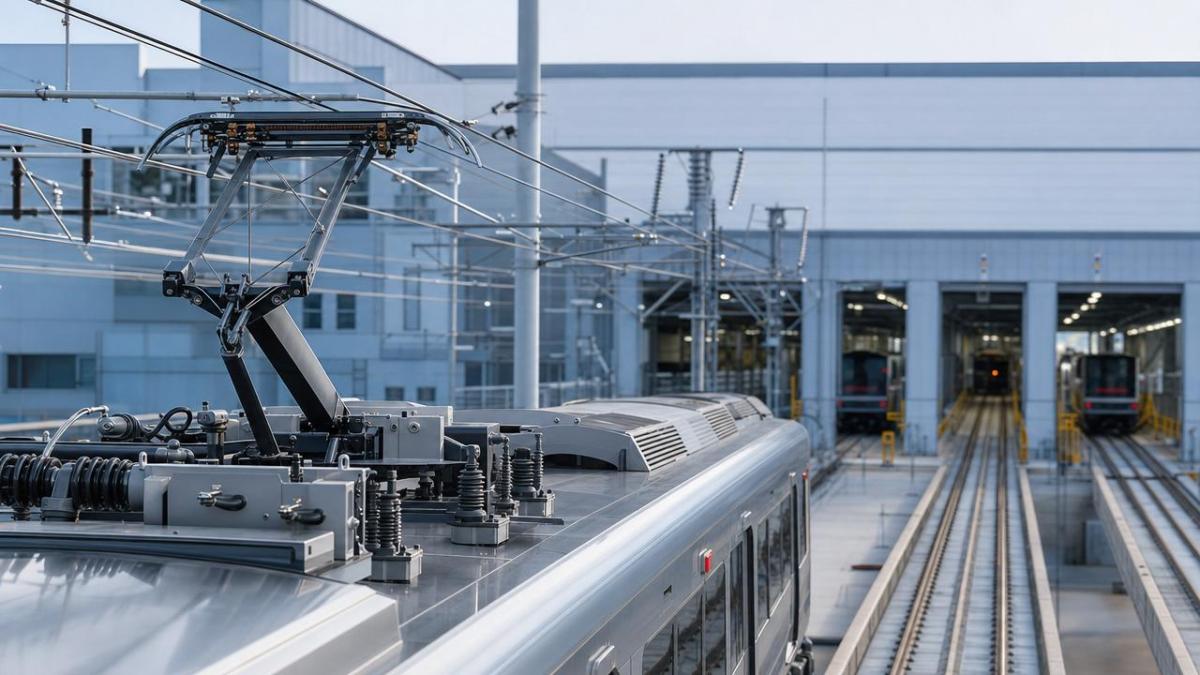
The lowest bid can become the highest cost item during service. Urban rail systems depend on stable current collection across thousands of daily operating cycles.
When evaluating pantographs manufacturers for urban rail, lifecycle value means total cost across installation, operation, wear, inspection, spare parts, and downtime.
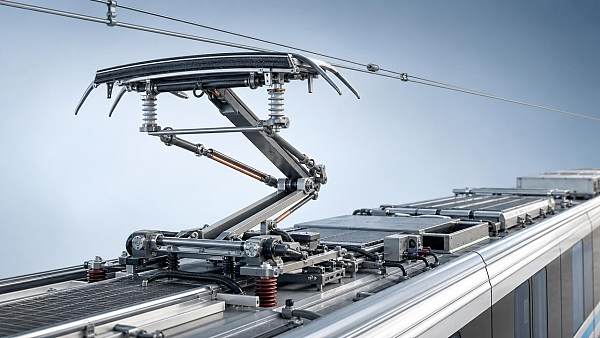
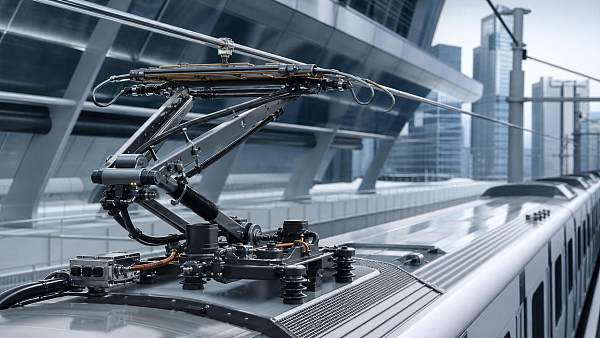
A high-quality pantograph can reduce contact strip wear, lower carbon replacement frequency, and protect the overhead contact line from abnormal impact.
That matters because overhead line damage creates service disruption, emergency labor, and network-wide scheduling losses far beyond component price.
Lifecycle value is usually influenced by five linked factors:
- Current collection stability at different speeds and load conditions
- Mechanical durability under repeated raising and lowering cycles
- Ease of maintenance and replacement of wear parts
- Compatibility with vehicle platform and catenary system
- Technical support over the full operating life
For GTOT readers, this issue sits within a broader asset-intelligence logic. Core rail components create value when engineering reliability and serviceability are measured together.
Which technical indicators best reveal strong pantographs manufacturers for urban rail?
Not every specification sheet tells the whole story. Some numbers look impressive but reveal little about performance in real urban rail duty.
The best pantographs manufacturers for urban rail usually demonstrate balanced performance rather than a single standout metric.
Contact force control
Stable contact force is critical. Too little force causes arcing and current interruption. Too much force increases wear on both strip and wire.
Look for dynamic control behavior, not only static values. Urban rail conditions involve frequent transitions, curves, and variable line quality.
Head geometry and aerodynamic behavior
Even in metro and suburban systems, airflow, tunnel entry, and passing effects influence stability. Good head design improves contact consistency and lowers uplift fluctuation.
Material system
Frame materials affect weight, stiffness, corrosion resistance, and fatigue life. Carbon strips affect conductivity, wear rate, and arc tolerance.
Advanced pantographs manufacturers for urban rail should explain why a material choice matches the route environment, not just claim premium materials.
Actuation and sensing
Reliable pneumatic or electropneumatic actuation is essential. Integrated monitoring for pressure, uplift, strip wear, or abnormal movement adds predictive maintenance value.
Compliance and validation
Ask for test evidence aligned with applicable standards, route conditions, and vehicle integration requirements. Validation depth often separates dependable suppliers from risky ones.
How do materials and design choices affect maintenance cycles?
Maintenance cost is where lifecycle value becomes visible. A stronger initial design often means fewer interventions, shorter depot time, and better parts predictability.
For pantographs manufacturers for urban rail, maintenance-friendly engineering should be considered a core value point, not an optional extra.
Several design choices directly change service burden:
- Modular assemblies simplify replacement and reduce workshop labor.
- Accessible wear components shorten inspection and strip change time.
- Corrosion-resistant structures perform better in humid tunnels and coastal cities.
- Fatigue-optimized joints reduce crack risk under repeated vibration.
- Better damping lowers shock transmission and secondary damage.
Material quality also affects maintenance planning. Lower-grade carbon strips may look economical but can wear faster or produce unstable contact behavior.
Likewise, poor coatings or unsuitable alloys can accelerate corrosion, especially where condensation, salt exposure, or industrial pollution is common.
When comparing suppliers, ask for maintenance interval data from similar urban operating environments. Generic lab claims are less useful than field-backed evidence.
How should certification, testing, and system compatibility be verified?
Certification reduces technical uncertainty, but paper compliance alone is not enough. Real value comes from proven compatibility with the full rail system.
Leading pantographs manufacturers for urban rail should support verification across vehicle interface, catenary interaction, and maintenance documentation.
A practical review should include these checkpoints:
Compatibility matters even more when retrofitting older fleets. Small geometric or pneumatic differences can trigger repeated faults and hidden workshop costs.
What commercial and service factors separate good suppliers from risky ones?
Technical quality alone does not guarantee strong lifecycle outcomes. Supply continuity and support responsiveness can determine whether a fleet keeps running smoothly.
Reliable pantographs manufacturers for urban rail should offer more than hardware. They should provide service logic that supports decades of operation.
Spare parts availability
Critical wear parts should have clear lead times and stocking strategies. Long gaps in strip or actuator supply create expensive fleet constraints.
Engineering response speed
If abnormal wear or uplift issues appear, fast technical diagnosis matters. Delayed analysis often increases both damage scope and operational disruption.
Documentation quality
Good manuals, exploded views, and fault logic reduce maintenance error. Poor documentation raises dependence on external support and slows depot execution.
Upgrade path
As urban rail digitalization expands, monitoring and predictive maintenance features gain value. Suppliers with upgrade capability can extend fleet asset relevance.
GTOT’s intelligence perspective highlights this clearly: component selection is strongest when technical reliability, service support, and strategic operating data are connected.
Which mistakes increase lifecycle cost when selecting pantographs manufacturers for urban rail?
Several common mistakes lead to avoidable cost growth. Most of them come from evaluating a complex interface component as if it were a simple commodity.
- Choosing only by initial unit price
- Ignoring route-specific environmental conditions
- Accepting incomplete fatigue or interaction data
- Overlooking spare parts and local support capacity
- Failing to compare maintenance labor requirements
- Assuming all certified products perform equally
Another mistake is treating all urban rail lines as identical. Metro tunnels, elevated lines, coastal networks, and suburban corridors create different mechanical and electrical demands.
The best approach is to score pantographs manufacturers for urban rail using weighted criteria that include reliability, maintainability, compatibility, and support.
Quick FAQ table: how can lifecycle value be judged faster?
Selecting pantographs manufacturers for urban rail should be based on lifecycle evidence, not isolated claims. The strongest option protects current collection quality, lowers maintenance load, and supports stable long-term operation.
A practical next step is to build a comparison sheet covering technical validation, route compatibility, material durability, maintenance hours, parts support, and upgrade potential.
In a sector where reliability, safety, and operating efficiency are tightly linked, better component intelligence creates better asset decisions. That is exactly where GTOT’s land-and-sea equipment insight becomes valuable.
Recommended News
 Jul 30, 2026How to Specify Traction Power Equipment Switchgear for Urban Rail ProjectsTraction power equipment switchgear selection for urban rail starts with system duty, fault levels, maintainability, and lifecycle cost. Learn how to specify the right solution with confidence.
 Jul 15, 2026How to Evaluate an Urban Rail Pantograph Manufacturer for Long-Term ReliabilityUrban rail pantograph manufacturer selection affects safety, uptime, and lifecycle cost. Learn how to assess engineering, testing, production control, and support for long-term reliability.
 Jul 09, 2026Urban Rail Pantograph Price: What Drives Lifecycle CostUrban rail pantograph price is only the starting point. Discover what really drives lifecycle cost, from wear and downtime to reliability, maintenance, and supplier support.
 Jul 04, 2026How to Evaluate Railway Pantograph Components for EMU ReliabilityRailway pantograph components for EMU reliability: learn how to assess contact stability, wear, dynamics, and lifecycle risk to improve fleet performance and reduce maintenance costs.
 Jul 01, 2026How to Evaluate Pantographs for Tram Systems by Wear, Noise, and UptimePantographs for tram systems: learn how to evaluate wear, noise, and uptime with practical metrics that reduce risk, improve reliability, and support smarter fleet decisions.
 Jun 27, 2026Pantograph Components Checklist for Retrofit and ReplacementPantograph components checklist for retrofit and replacement: learn how to assess compatibility, wear, climate, and lifecycle cost to improve rail reliability and reduce downtime.
 Jun 26, 2026Urban Rail Pantographs: Selection Factors for Stable Current CollectionUrban rail pantographs are key to stable current collection. Learn the selection factors that improve reliability, reduce wear, and support efficient metro and light rail operations.
 Jun 26, 2026Urban Rail Pantographs: Common Wear Problems and FixesUrban rail pantographs face wear from arcing, contamination, and mechanical looseness. Learn the common problems, practical fixes, and maintenance tips to boost reliability and cut downtime.
 Jun 17, 2026How to Compare Pantographs Manufacturers for Urban Rail ProjectsPantographs manufacturers for urban rail: learn how to compare technical performance, lifecycle cost, certifications, and service support to choose lower-risk suppliers for transit projects.
 Jun 11, 2026How to Compare Pantographs Manufacturers for Urban Rail ProjectsPantographs manufacturers for urban rail should be compared on technical fit, lifecycle cost, quality control, and support. Learn how to choose a reliable supplier with confidence.
 Jun 06, 2026Pantographs Manufacturers for Urban Rail: Key Checks Before ShortlistingPantographs manufacturers for urban rail: discover the key checks for technical fit, compliance, reliability, and after-sales support before shortlisting suppliers.
 May 27, 2026How to Compare Urban Rail Pantographs Manufacturers in 2026Pantographs manufacturers for urban rail: learn how to compare suppliers in 2026 by performance, compliance, lifecycle cost, and support to reduce risk and choose with confidence.
 May 19, 2026Pantographs Manufacturers for Urban Rail: What Impacts Lifecycle Value?Pantographs manufacturers for urban rail: discover what drives lifecycle value beyond price, from contact stability and maintenance to compatibility, testing, and long-term fleet reliability.
 May 07, 2026Traction Power Issues Behind Repeated Rail System DowntimeTraction power issues often hide behind repeated rail downtime. Learn the key fault triggers, fast-check methods, and maintenance insights to restore reliability and cut recurring failures.