



Search News
Industry Portal
Popular Tags
How to Compare Urban Rail Pantographs Manufacturers in 2026
Author
Time
Click Count
Choosing among pantographs manufacturers for urban rail in 2026 requires more than comparing price lists. Procurement teams must assess current collection stability, lifecycle cost, compliance standards, delivery reliability, and long-term technical support. This guide helps buyers identify the right evaluation criteria, reduce sourcing risk, and make informed decisions in a market shaped by stricter performance demands and smarter transit systems.
What should be compared first among pantographs manufacturers for urban rail?
Start with operational fit, not catalog appearance. Urban rail systems face frequent acceleration, braking, and station stops, which create different demands than high-speed rail networks.
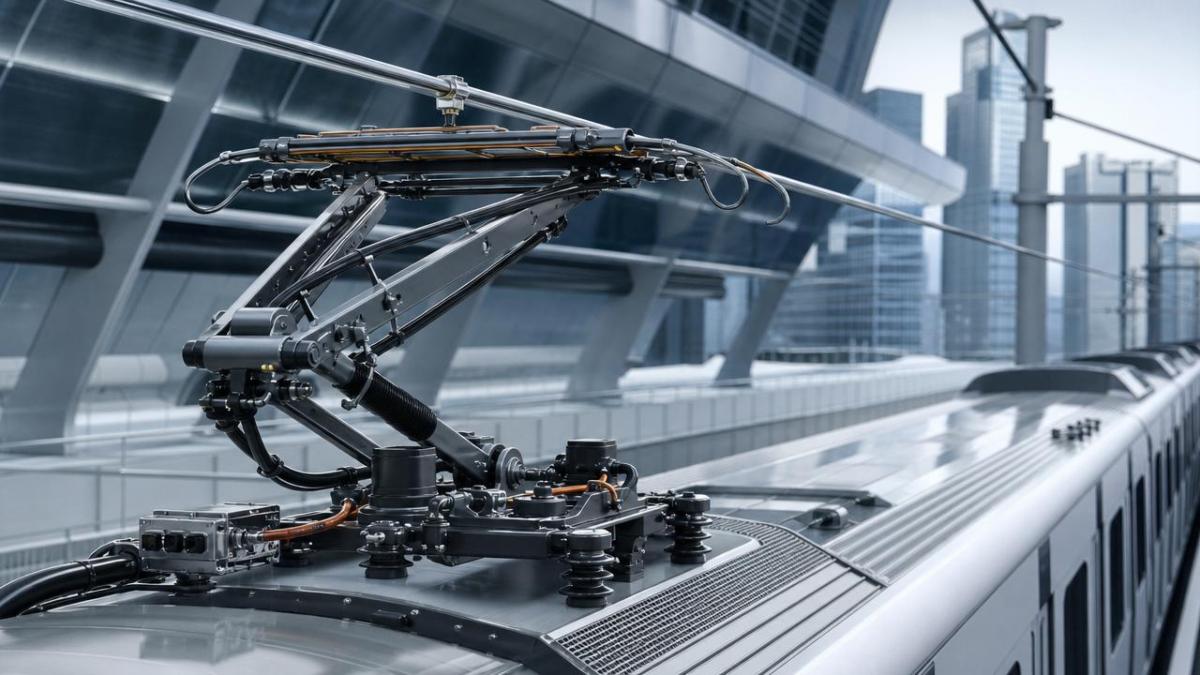
The best pantographs manufacturers for urban rail usually show proven performance in metro, light rail, and suburban transit applications under dense daily duty cycles.
Check these first-stage comparison points:
- Voltage compatibility with the target catenary system
- Static and dynamic contact force range
- Head geometry and strip material options
- Performance under tunnels, curves, and crosswinds
- Integration with train control and diagnostic platforms
A manufacturer may look strong in railway branding but still be weak in urban rail-specific tuning. Product adaptation matters as much as headline technical claims.
How do you evaluate technical performance beyond brochure data?
Brochures often highlight top speed and lightweight design. Urban rail evaluation should focus on consistent current collection through repetitive real-world operating cycles.
Ask for test evidence, not only specification sheets. Reliable pantographs manufacturers for urban rail should provide traceable validation records and application references.
Which performance indicators matter most?
- Contact stability across varying speeds
- Arc control during transition conditions
- Noise and vibration behavior
- Response accuracy of raising and lowering mechanisms
- Wear rate of carbon strips and contact components
For 2026, diagnostic capability is becoming a stronger differentiator. Some suppliers offer sensors for contact force, temperature, shock events, and maintenance prediction.
This matters because smarter transit systems increasingly connect onboard equipment data to fleet maintenance platforms. A pantograph should support digital maintenance, not resist it.
What documents should be requested?
- Type test reports
- Routine test procedures
- Compliance with EN, IEC, or local rail standards
- Field performance data from similar transit environments
- Maintenance interval recommendations
When comparing pantographs manufacturers for urban rail, test transparency often reveals engineering maturity better than marketing language.
How important are compliance, safety, and system compatibility in 2026?
They are critical. In 2026, urban rail projects face tighter scrutiny on safety, interoperability, and long-term resilience across public infrastructure programs.
Pantographs sit at the power collection interface. Any mismatch with overhead line design, onboard electrical architecture, or maintenance practice can create recurring failures.
What should compatibility review include?
- Vehicle roof layout and mounting constraints
- Overhead contact line characteristics
- Insulation and grounding requirements
- Emergency lowering and fail-safe behavior
- Communication with onboard monitoring systems
A common mistake is comparing only pantograph units while ignoring interface engineering. The result may be delayed commissioning, repeated adjustments, or early wear.
The strongest pantographs manufacturers for urban rail usually support joint engineering reviews with rolling stock builders, operators, and overhead line specialists.
How should cost be compared: purchase price or lifecycle value?
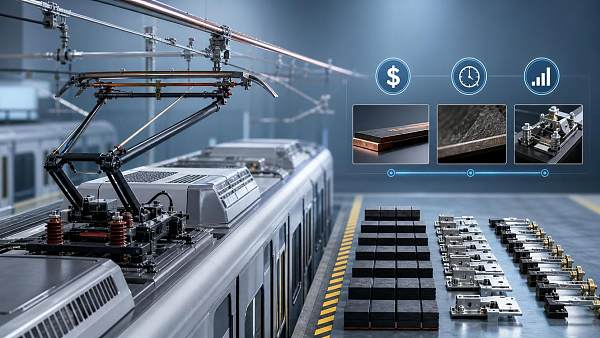
Lifecycle value should lead the decision. A low initial quote can become expensive when spare parts, strip replacement, downtime, and labor demand rise over time.
Urban fleets often run intensive schedules. Even small maintenance differences scale quickly across many trainsets and service years.
Which cost elements deserve attention?
Comparing pantographs manufacturers for urban rail without total cost analysis can hide future operational pressure. Long-term value often comes from stability and serviceability.
What supply chain and after-sales factors reduce sourcing risk?
In 2026, delivery reliability is a strategic factor. Transit programs face tighter schedules, localization expectations, and higher pressure on spare parts continuity.
A technically good product can still create project risk if production planning, documentation, or support response is weak.
What should be checked before final comparison?
- Manufacturing capacity and quality consistency
- Local or regional service presence
- Training support for maintenance teams
- Digital manuals and parts traceability
- Warranty scope and response time commitments
Reliable pantographs manufacturers for urban rail usually provide commissioning support, troubleshooting procedures, and spare parts planning for several years ahead.
Also examine component sourcing resilience. If critical subcomponents depend on a single region or single supplier, risk increases during trade or logistics disruptions.
What are the most common mistakes when comparing suppliers?
Several errors appear repeatedly in rail equipment sourcing. Most are avoidable with a structured technical and commercial checklist.
Mistakes to avoid
- Using high-speed rail benchmarks for urban rail conditions
- Comparing only unit price
- Ignoring interface compatibility with the vehicle and catenary
- Accepting claims without field references
- Overlooking maintenance burden and spare parts access
- Failing to score after-sales support in the evaluation model
When reviewing pantographs manufacturers for urban rail, balanced scoring is more effective than intuitive preference. Weight technical, operational, and support factors together.
Quick FAQ comparison table
Comparing pantographs manufacturers for urban rail in 2026 means assessing engineering fit, validation depth, compliance strength, lifecycle economics, and service resilience together.
A practical next step is to build a weighted checklist with technical, commercial, and support criteria. Then request evidence from each shortlisted supplier in the same format.
For sectors tracked by GTOT, this disciplined comparison approach supports safer electrified transit, stronger asset value, and better long-term infrastructure decisions across connected land transport systems.
Recommended News
 Jul 30, 2026How to Specify Traction Power Equipment Switchgear for Urban Rail ProjectsTraction power equipment switchgear selection for urban rail starts with system duty, fault levels, maintainability, and lifecycle cost. Learn how to specify the right solution with confidence.
 Jul 15, 2026How to Evaluate an Urban Rail Pantograph Manufacturer for Long-Term ReliabilityUrban rail pantograph manufacturer selection affects safety, uptime, and lifecycle cost. Learn how to assess engineering, testing, production control, and support for long-term reliability.
 Jul 09, 2026Urban Rail Pantograph Price: What Drives Lifecycle CostUrban rail pantograph price is only the starting point. Discover what really drives lifecycle cost, from wear and downtime to reliability, maintenance, and supplier support.
 Jul 04, 2026How to Evaluate Railway Pantograph Components for EMU ReliabilityRailway pantograph components for EMU reliability: learn how to assess contact stability, wear, dynamics, and lifecycle risk to improve fleet performance and reduce maintenance costs.
 Jul 01, 2026How to Evaluate Pantographs for Tram Systems by Wear, Noise, and UptimePantographs for tram systems: learn how to evaluate wear, noise, and uptime with practical metrics that reduce risk, improve reliability, and support smarter fleet decisions.
 Jun 27, 2026Pantograph Components Checklist for Retrofit and ReplacementPantograph components checklist for retrofit and replacement: learn how to assess compatibility, wear, climate, and lifecycle cost to improve rail reliability and reduce downtime.
 Jun 26, 2026Urban Rail Pantographs: Selection Factors for Stable Current CollectionUrban rail pantographs are key to stable current collection. Learn the selection factors that improve reliability, reduce wear, and support efficient metro and light rail operations.
 Jun 26, 2026Urban Rail Pantographs: Common Wear Problems and FixesUrban rail pantographs face wear from arcing, contamination, and mechanical looseness. Learn the common problems, practical fixes, and maintenance tips to boost reliability and cut downtime.
 Jun 17, 2026How to Compare Pantographs Manufacturers for Urban Rail ProjectsPantographs manufacturers for urban rail: learn how to compare technical performance, lifecycle cost, certifications, and service support to choose lower-risk suppliers for transit projects.
 Jun 11, 2026How to Compare Pantographs Manufacturers for Urban Rail ProjectsPantographs manufacturers for urban rail should be compared on technical fit, lifecycle cost, quality control, and support. Learn how to choose a reliable supplier with confidence.
 Jun 06, 2026Pantographs Manufacturers for Urban Rail: Key Checks Before ShortlistingPantographs manufacturers for urban rail: discover the key checks for technical fit, compliance, reliability, and after-sales support before shortlisting suppliers.
 May 27, 2026How to Compare Urban Rail Pantographs Manufacturers in 2026Pantographs manufacturers for urban rail: learn how to compare suppliers in 2026 by performance, compliance, lifecycle cost, and support to reduce risk and choose with confidence.
 May 19, 2026Pantographs Manufacturers for Urban Rail: What Impacts Lifecycle Value?Pantographs manufacturers for urban rail: discover what drives lifecycle value beyond price, from contact stability and maintenance to compatibility, testing, and long-term fleet reliability.
 May 07, 2026Traction Power Issues Behind Repeated Rail System DowntimeTraction power issues often hide behind repeated rail downtime. Learn the key fault triggers, fast-check methods, and maintenance insights to restore reliability and cut recurring failures.