



Search News
Industry Portal
Popular Tags
How to Evaluate Pantographs for Tram Systems by Wear, Noise, and Uptime
Author
Time
Click Count
How to Evaluate Pantographs for Tram Systems by Wear, Noise, and Uptime
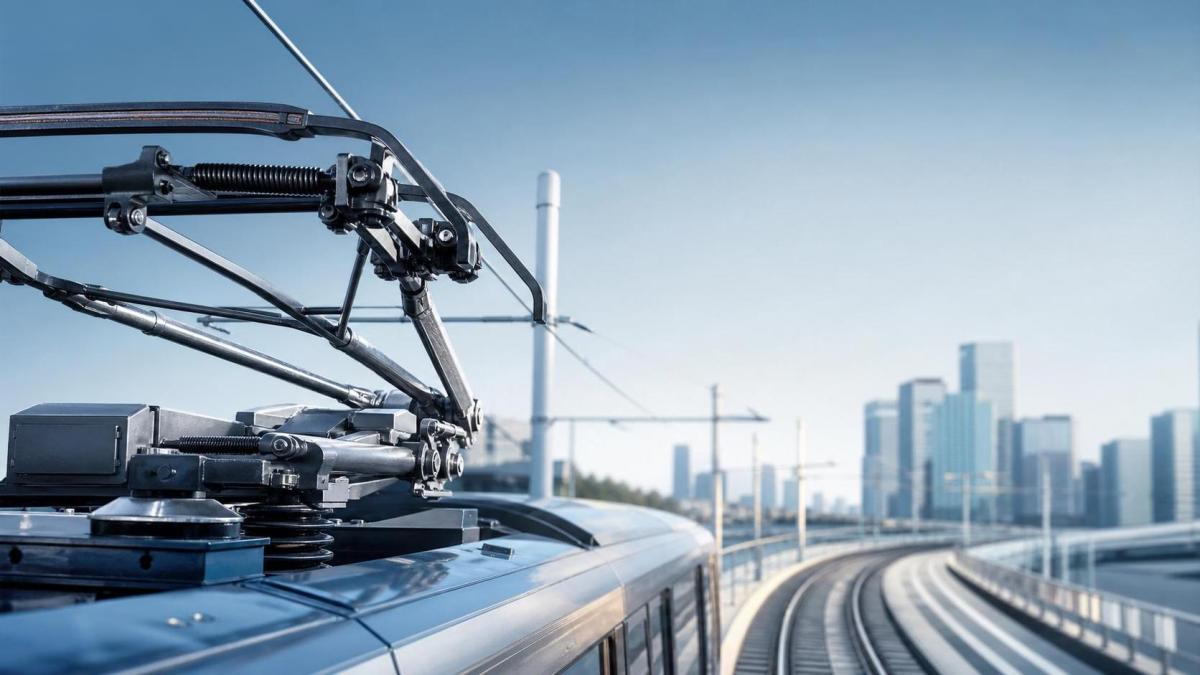
For technical evaluators, choosing pantographs for tram systems is rarely about one headline figure. The real question is how a unit behaves after months of stop-start service, mixed weather, and repeated contact wire variations.
Wear, noise, and uptime usually reveal more than catalog claims. Together, they show whether a pantograph can maintain stable current collection without pushing maintenance cost upward.
This matters even more in urban fleets. Tram operators work with tight headways, street-level exposure, and public sensitivity to noise. Small weaknesses become visible very quickly.
A sound evaluation method should compare measurable indicators, test conditions, and service history. It should also separate temporary performance from long-term reliability.
When reviewing pantographs for tram systems, the goal is simple: reduce hidden risk before procurement, retrofit, or fleet standardization decisions are locked in.
Start with the Real Duty Profile
Before comparing models, define the operating context. Pantographs for tram systems face very different loads from mainline rail equipment.
Urban routes bring frequent acceleration, braking, low bridge clearances, tight curves, and overhead line irregularities. These factors drive both contact strip wear and uplift behavior.
It helps to build an evaluation profile around a few core service variables:
- daily vehicle kilometers
- average and peak line speed
- stop frequency per route
- contact wire height variation
- winter icing, sand, salt, or dust exposure
- mixed depot and street-running conditions
This baseline prevents weak comparisons. A quiet unit in a clean depot network may perform very differently on a route with rough catenary geometry.
In practice, the best pantographs for tram systems are the ones matched to the actual duty cycle, not just the highest technical specification.
Evaluate Wear as a Lifecycle Signal
Wear is often the clearest early warning sign. It affects maintenance planning, spare demand, and overhead line preservation at the same time.
For pantographs for tram systems, contact strip wear should never be reviewed as an isolated number. The pattern matters as much as the rate.
Look at these questions first:
- Is wear uniform across the strip width?
- Does edge wear increase on curved sections?
- Are there signs of arcing, chipping, or thermal damage?
- How often does strip replacement happen per vehicle year?
Uneven wear usually points to contact instability, misalignment, or poor dynamic response. That also means higher risk for overhead wire damage later.
Material selection matters too. Carbon strips may reduce wire aggression, while metalized options can improve electrical behavior in difficult environments.
But no strip material is automatically better. The right choice depends on wire material, current demand, and the route’s contamination level.
A useful comparison table should include both strip life and wire impact:
From a procurement angle, the stronger candidate is not the cheapest unit. It is the one that delivers predictable wear behavior across the full maintenance cycle.
Treat Noise as a Performance Indicator, Not Just a Comfort Issue
Noise often gets pushed into passenger comfort discussions. That is too narrow. In pantographs for tram systems, abnormal noise can reveal mechanical and electrical problems.
Rattling may point to looseness in joints or head assemblies. High-frequency noise can indicate contact vibration. Repetitive impact sound may suggest poor tracking under wire irregularities.
This also matters in city operations. Street-running trams pass homes, offices, hospitals, and pedestrian areas where acoustic complaints quickly reach operators.
A better evaluation process combines objective and contextual checks:
- measure sound levels at defined speeds
- compare straight track and curve behavior
- separate aerodynamic noise from impact noise
- review changes after wear progresses
More importantly, connect noise data to inspection records. If rising noise appears before visible wear damage, it becomes a practical predictive maintenance signal.
That is why advanced evaluations of pantographs for tram systems increasingly treat acoustic trends as part of reliability analysis, not just environmental compliance.
Measure Uptime Through Failure Modes
Uptime is where technical promises face operational reality. A pantograph may look strong in lab results, yet still create repeated service interruptions in the field.
For pantographs for tram systems, uptime should be measured through failure mode frequency, recovery time, and maintenance burden.
Key failure categories usually include pneumatic loss, fractured components, head misalignment, actuator faults, sensor issues, and strip retention failures.
A practical evaluation checklist includes:
- mean distance between pantograph-related incidents
- average repair time per event
- depot labor hours per 10,000 km
- rate of service withdrawal linked to current collection
- availability of local spare parts and service support
This approach keeps uptime tied to actual fleet consequences. One brief fault during peak service can cost more than a year of marginal component savings.
When comparing pantographs for tram systems, ask suppliers for event histories, not just reliability percentages. Failure descriptions usually tell the real story.
Check Dynamic Contact Performance Under Service Conditions
Wear, noise, and uptime are connected by one core issue: dynamic contact quality. If the pantograph cannot follow the wire smoothly, all three indicators deteriorate.
This is why evaluations of pantographs for tram systems should include uplift force stability, contact loss events, and behavior across route transitions.
Useful evidence may come from onboard monitoring, route tests, or validated simulations. The strongest results combine more than one method.
Pay close attention to sections with turnouts, crossings, wire stagger changes, and depot entry zones. These are often where marginal designs start to struggle.
A pantograph that performs well only on ideal track is not a strong choice. Tram systems need stable behavior across imperfect urban infrastructure.
Compare Suppliers Beyond the Datasheet
Supplier evaluation should be as rigorous as product evaluation. Many pantographs for tram systems appear similar on paper, but field support quality varies sharply.
Look for evidence in four areas:
- reference fleets with comparable service conditions
- clarity of maintenance manuals and wear limits
- response speed for technical troubleshooting
- long-term parts continuity for retrofit programs
This becomes critical during fleet modernization. A good technical fit loses value if spare support weakens after a few years.
In real procurement work, strong suppliers help operators interpret wear patterns, refine maintenance intervals, and solve noise or uplift issues faster.
Build a Weighted Decision Matrix
The final step is turning mixed evidence into a defensible decision. A weighted matrix keeps the review transparent and repeatable.
For pantographs for tram systems, a simple model can score wear, noise, uptime, dynamic performance, maintenance effort, and supplier support.
The exact weighting can shift by project. A historic city center may prioritize noise more heavily. A stretched maintenance team may give extra weight to serviceability.
What matters is consistency. Every candidate for pantographs for tram systems should be scored against the same route assumptions and evidence quality rules.
Final Decision Focus
A reliable pantograph decision is rarely about maximum specification. It is about stable power collection, controlled wear, manageable noise, and dependable uptime over years of service.
That is the practical lens for evaluating pantographs for tram systems. Start from the route, test against field conditions, and follow the signals hidden in wear patterns and failure records.
When those indicators are reviewed together, procurement choices become easier to defend, retrofit risk drops, and lifecycle cost becomes much easier to predict.
Use that framework to narrow shortlists, challenge supplier claims, and select pantographs for tram systems that support long-term network reliability instead of short-term paper savings.
Recommended News
 Jul 30, 2026How to Specify Traction Power Equipment Switchgear for Urban Rail ProjectsTraction power equipment switchgear selection for urban rail starts with system duty, fault levels, maintainability, and lifecycle cost. Learn how to specify the right solution with confidence.
 Jul 15, 2026How to Evaluate an Urban Rail Pantograph Manufacturer for Long-Term ReliabilityUrban rail pantograph manufacturer selection affects safety, uptime, and lifecycle cost. Learn how to assess engineering, testing, production control, and support for long-term reliability.
 Jul 09, 2026Urban Rail Pantograph Price: What Drives Lifecycle CostUrban rail pantograph price is only the starting point. Discover what really drives lifecycle cost, from wear and downtime to reliability, maintenance, and supplier support.
 Jul 04, 2026How to Evaluate Railway Pantograph Components for EMU ReliabilityRailway pantograph components for EMU reliability: learn how to assess contact stability, wear, dynamics, and lifecycle risk to improve fleet performance and reduce maintenance costs.
 Jul 01, 2026How to Evaluate Pantographs for Tram Systems by Wear, Noise, and UptimePantographs for tram systems: learn how to evaluate wear, noise, and uptime with practical metrics that reduce risk, improve reliability, and support smarter fleet decisions.
 Jun 27, 2026Pantograph Components Checklist for Retrofit and ReplacementPantograph components checklist for retrofit and replacement: learn how to assess compatibility, wear, climate, and lifecycle cost to improve rail reliability and reduce downtime.
 Jun 26, 2026Urban Rail Pantographs: Selection Factors for Stable Current CollectionUrban rail pantographs are key to stable current collection. Learn the selection factors that improve reliability, reduce wear, and support efficient metro and light rail operations.
 Jun 26, 2026Urban Rail Pantographs: Common Wear Problems and FixesUrban rail pantographs face wear from arcing, contamination, and mechanical looseness. Learn the common problems, practical fixes, and maintenance tips to boost reliability and cut downtime.
 Jun 17, 2026How to Compare Pantographs Manufacturers for Urban Rail ProjectsPantographs manufacturers for urban rail: learn how to compare technical performance, lifecycle cost, certifications, and service support to choose lower-risk suppliers for transit projects.
 Jun 11, 2026How to Compare Pantographs Manufacturers for Urban Rail ProjectsPantographs manufacturers for urban rail should be compared on technical fit, lifecycle cost, quality control, and support. Learn how to choose a reliable supplier with confidence.
 Jun 06, 2026Pantographs Manufacturers for Urban Rail: Key Checks Before ShortlistingPantographs manufacturers for urban rail: discover the key checks for technical fit, compliance, reliability, and after-sales support before shortlisting suppliers.
 May 27, 2026How to Compare Urban Rail Pantographs Manufacturers in 2026Pantographs manufacturers for urban rail: learn how to compare suppliers in 2026 by performance, compliance, lifecycle cost, and support to reduce risk and choose with confidence.
 May 19, 2026Pantographs Manufacturers for Urban Rail: What Impacts Lifecycle Value?Pantographs manufacturers for urban rail: discover what drives lifecycle value beyond price, from contact stability and maintenance to compatibility, testing, and long-term fleet reliability.
 May 07, 2026Traction Power Issues Behind Repeated Rail System DowntimeTraction power issues often hide behind repeated rail downtime. Learn the key fault triggers, fast-check methods, and maintenance insights to restore reliability and cut recurring failures.