



Search News
Industry Portal
Popular Tags
Traction Power Issues Behind Repeated Rail System Downtime
Author
Time
Click Count
Repeated rail system downtime often starts with overlooked traction power instability, not just visible equipment faults. For after-sales maintenance teams, understanding how voltage fluctuation, current interruption, grounding issues, and component aging affect traction power is essential to restoring reliability fast. This article explores the hidden technical triggers behind recurring failures and offers practical insight for improving fault diagnosis, maintenance response, and system uptime.
Why a checklist approach works better for repeated traction power faults
When downtime repeats, the biggest risk is treating each event as an isolated equipment alarm. In rail environments, traction power problems often travel across interfaces: substation output, feeder cables, return current paths, onboard converters, pantograph contact quality, braking feedback, and protection logic can all interact. A checklist-based method helps after-sales maintenance teams avoid narrow troubleshooting, reduce guesswork, and prioritize the highest-probability causes first.
This is especially important in modern rail networks where high-speed traction systems, urban rail, and automated control architectures depend on stable energy delivery. A train may stop because of a breaker trip, but the root cause may be transient voltage sag, poor earthing continuity, insulation degradation, harmonics, or data mismatch between traction power monitoring and protection thresholds. For maintenance teams, fast recovery starts with disciplined checking, not just component replacement.
First-response checklist: what to confirm before replacing parts
Before removing equipment or swapping modules, confirm the operating context. Repeated rail system downtime linked to traction power usually leaves clues in event sequence, load pattern, and environmental timing. Use the following checklist as a first-pass diagnostic guide.
- Check whether downtime occurs during acceleration, coasting, regenerative braking, depot departure, tunnel entry, turnout passage, or section changeover. The trigger moment often narrows the traction power fault path quickly.
- Compare onboard logs, substation records, SCADA alarms, and wayside protection events. If timestamps do not align, verify clock synchronization before drawing conclusions.
- Confirm whether the issue affects one trainset, one line section, multiple vehicles of the same fleet, or all traffic under similar load. The scope indicates whether the fault is local, fleet-specific, or network-side.
- Measure actual voltage and current behavior under load, not only idle values. Many traction power weaknesses appear only during peak draw or regenerative return.
- Inspect breaker trip history, fuse condition, relay settings, and reset behavior. Repeated temporary trips may indicate unstable thresholds rather than catastrophic failure.
- Review recent maintenance, software updates, cable work, grounding modifications, or pantograph replacement. Recurrent downtime often follows a small change that seemed unrelated.
Core traction power inspection points maintenance teams should prioritize
1. Verify voltage stability under real operating demand
Voltage fluctuation is one of the most common hidden causes behind repeated traction power downtime. Static readings may look acceptable, while dynamic values collapse during train launch, simultaneous departure, or regenerative interaction. Prioritize checking input voltage at the substation, feeder output, onboard traction converter inlet, and contact line behavior during peak current draw. If voltage dips fall near undervoltage protection settings, the system may trip without any visibly damaged component.
Pay close attention to line-end sections, aged feeder zones, and mixed-traffic corridors where high acceleration demand overlaps with weak supply margins. In these cases, voltage instability may be intermittent and route-dependent, making it easy to miss during short inspections.
2. Check current interruption paths and transient events
Repeated downtime can result from very short current interruptions that are too brief for visual detection but long enough to trigger traction control protection. Maintenance teams should inspect circuit breakers, contactors, cable terminations, busbar joints, feeder switches, and changeover sections for signs of intermittent contact resistance, overheating, arcing, or mechanical looseness. A poor connection may pass normal inspection yet fail under vibration or thermal expansion.
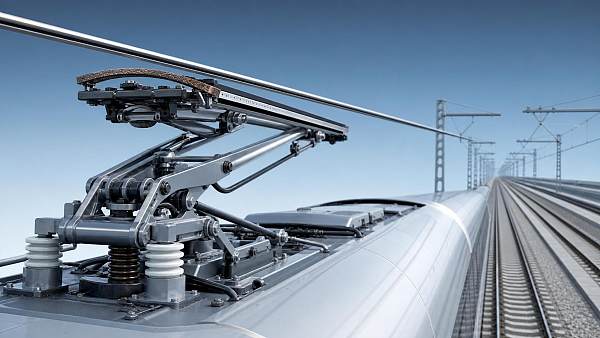
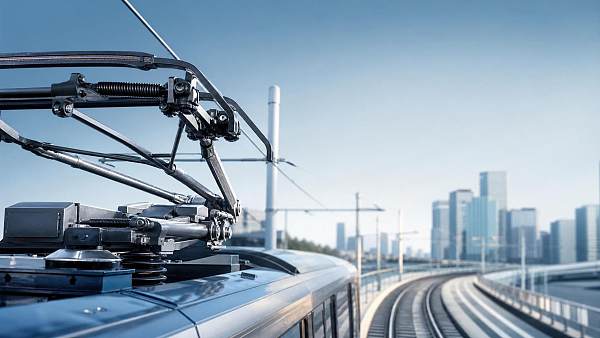
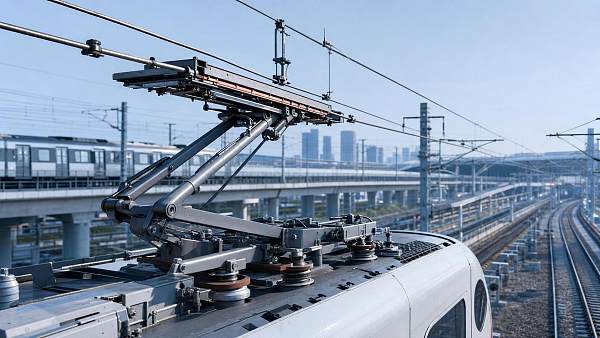
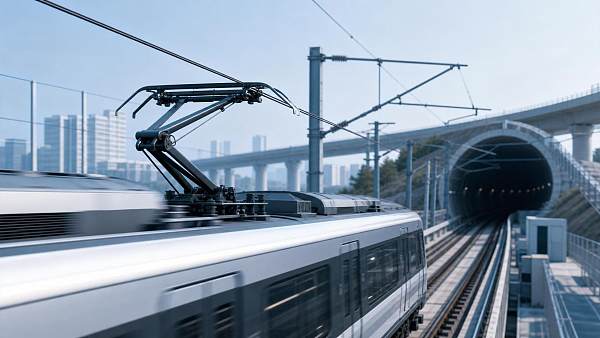
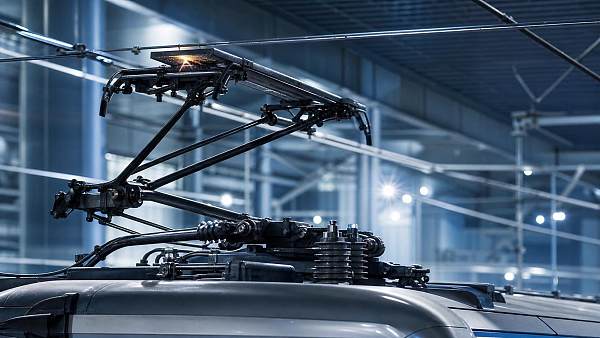
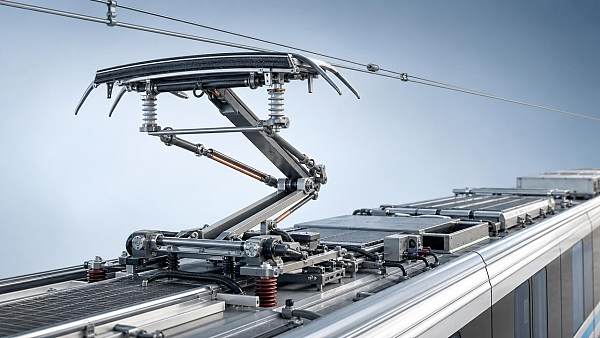
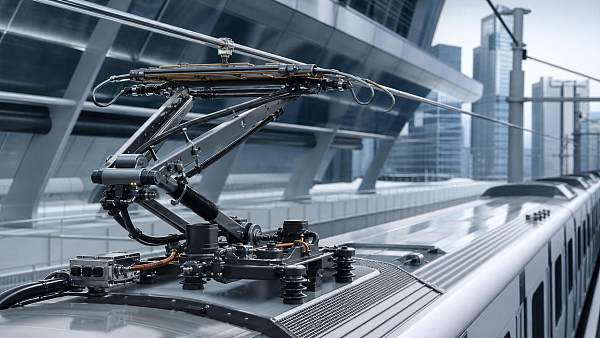
For high-speed and urban rail operations, pantograph–catenary interaction must also be reviewed. Contact loss, bounce, carbon strip wear, uplift deviation, or overhead line geometry issues can produce unstable traction power collection even if the onboard converter is healthy.
3. Confirm grounding and return current integrity
Grounding problems are often underestimated because they do not always create immediate failures. However, weak bonding, corroded return paths, stray current leakage, or rail-to-earth potential anomalies can destabilize traction power performance and confuse protective devices. If recurring faults appear with unexplained relay actions, communication interference, or insulation alarms, inspect grounding continuity and return circuit quality before replacing electronics.
The key judgment standard is not only whether grounding exists, but whether it remains electrically reliable under load, moisture, vibration, and long-term corrosion. A grounding path that is technically present but degraded can still cause repeated downtime.
4. Assess aging in power-critical components, not only failed ones
Traction power systems rarely fail from a single dramatic breakdown. More often, downtime grows from cumulative aging in capacitors, insulation materials, cable jackets, connectors, surge arresters, cooling units, and converter modules. After-sales teams should compare thermal images, insulation resistance trends, ripple behavior, and service-hour history rather than focusing only on obvious alarms.
A useful rule is this: if a component is not fully failed but has drifted near its tolerance limit, it can trigger repeated instability under seasonal temperature changes or heavier service cycles. That is why trend data matters as much as pass/fail testing.
Quick judgment table for recurring downtime linked to traction power
Scenario-based checks: what changes by operating environment
High-speed rail
In high-speed traction systems, the tolerance for unstable traction power is lower because aerodynamic effects, pantograph dynamics, and rapid load transitions amplify small electrical weaknesses. Focus on overhead contact quality, harmonic behavior, converter cooling, and supply margin during high-speed acceleration. A minor contact issue at low speed can become a recurring shutdown trigger at 300 km/h and above.
Urban rail and metro
Urban rail systems face dense stop-start cycles, short station spacing, and frequent regenerative braking. Maintenance teams should prioritize DC voltage stability, rail return condition, third-rail or overhead collection consistency, and coordination between onboard traction power control and wayside protection. Repeated downtime may cluster around rush-hour peaks when simultaneous train movement stresses the supply network.
Mixed-age fleets or retrofit projects
Where newer control systems are integrated with older power infrastructure, recurring faults often come from threshold mismatch rather than outright equipment failure. Updated converters may react faster to dips, harmonics, or transient spikes that legacy systems tolerated. In these cases, compare protection settings, filter performance, interface compatibility, and event logic across old and new subsystems.
Commonly overlooked items that keep traction power downtime coming back
- Ignoring environmental correlation. Heat, moisture, salt contamination, dust, and vibration can turn marginal traction power components into intermittent fault sources.
- Replacing the alarmed module without checking upstream supply quality. This often creates repeated failures with new parts.
- Using nominal design values instead of measured values from actual service conditions.
- Treating grounding as a compliance item only, not a performance item that affects return current stability and protective behavior.
- Failing to compare event sequences across train, line, and substation data sources.
- Skipping post-repair validation under real load, which leaves intermittent traction power issues unresolved.
Practical execution advice for after-sales maintenance teams
To improve uptime, structure your response in three layers. First, stabilize service by identifying whether the traction power issue is safe to isolate, bypass, derate, or temporarily monitor. Second, locate the root cause by combining electrical measurements, event records, and mechanical inspection of current collection and connection points. Third, prevent recurrence by updating thresholds, replacing aging weak links, improving grounding integrity, and documenting route-specific or fleet-specific patterns.
It also helps to build a repeat-failure record around a fixed set of fields: train number, route section, weather, speed, traction phase, voltage trend, current trend, protection action, recent maintenance, and repair result. Over time, this creates a reliable diagnostic baseline and reduces dependence on individual memory.
FAQ: fast answers maintenance teams often need
Is repeated downtime always caused by onboard traction equipment?
No. Many repeated failures originate from network-side traction power instability, pantograph contact behavior, feeder weakness, grounding faults, or protection coordination issues outside the vehicle.
What is the fastest high-value check?
Capture voltage and current behavior during the exact operating phase when downtime occurs, then compare that record with protection logs. This often reveals whether the problem is supply-side, collection-side, or onboard.
When should aging be treated as the root cause?
When repeated faults increase with temperature, humidity, mileage, or load intensity, and when test values remain technically acceptable but trend toward tolerance limits, aging is a likely root contributor in the traction power chain.
Action guide: what to prepare before escalating or seeking technical support
If the issue cannot be closed quickly, prepare the information that will accelerate expert review: actual voltage and current recordings, breaker and relay event logs, insulation and grounding test results, pantograph or collector wear data, affected route sections, fleet comparison results, environmental conditions, and a clear timeline of recent maintenance changes. This allows system suppliers, component specialists, and engineering teams to assess traction power behavior with far more precision.
For organizations operating across advanced rail equipment environments, a structured traction power review is not just a repair tool. It is a reliability strategy. The sooner maintenance teams move from symptom replacement to checklist-based root cause control, the faster they can reduce recurring downtime, improve asset value, and support safer, more stable rail operations.
Recommended News
 Jul 30, 2026How to Specify Traction Power Equipment Switchgear for Urban Rail ProjectsTraction power equipment switchgear selection for urban rail starts with system duty, fault levels, maintainability, and lifecycle cost. Learn how to specify the right solution with confidence.
 Jul 15, 2026How to Evaluate an Urban Rail Pantograph Manufacturer for Long-Term ReliabilityUrban rail pantograph manufacturer selection affects safety, uptime, and lifecycle cost. Learn how to assess engineering, testing, production control, and support for long-term reliability.
 Jul 09, 2026Urban Rail Pantograph Price: What Drives Lifecycle CostUrban rail pantograph price is only the starting point. Discover what really drives lifecycle cost, from wear and downtime to reliability, maintenance, and supplier support.
 Jul 04, 2026How to Evaluate Railway Pantograph Components for EMU ReliabilityRailway pantograph components for EMU reliability: learn how to assess contact stability, wear, dynamics, and lifecycle risk to improve fleet performance and reduce maintenance costs.
 Jul 01, 2026How to Evaluate Pantographs for Tram Systems by Wear, Noise, and UptimePantographs for tram systems: learn how to evaluate wear, noise, and uptime with practical metrics that reduce risk, improve reliability, and support smarter fleet decisions.
 Jun 27, 2026Pantograph Components Checklist for Retrofit and ReplacementPantograph components checklist for retrofit and replacement: learn how to assess compatibility, wear, climate, and lifecycle cost to improve rail reliability and reduce downtime.
 Jun 26, 2026Urban Rail Pantographs: Selection Factors for Stable Current CollectionUrban rail pantographs are key to stable current collection. Learn the selection factors that improve reliability, reduce wear, and support efficient metro and light rail operations.
 Jun 26, 2026Urban Rail Pantographs: Common Wear Problems and FixesUrban rail pantographs face wear from arcing, contamination, and mechanical looseness. Learn the common problems, practical fixes, and maintenance tips to boost reliability and cut downtime.
 Jun 17, 2026How to Compare Pantographs Manufacturers for Urban Rail ProjectsPantographs manufacturers for urban rail: learn how to compare technical performance, lifecycle cost, certifications, and service support to choose lower-risk suppliers for transit projects.
 Jun 11, 2026How to Compare Pantographs Manufacturers for Urban Rail ProjectsPantographs manufacturers for urban rail should be compared on technical fit, lifecycle cost, quality control, and support. Learn how to choose a reliable supplier with confidence.
 Jun 06, 2026Pantographs Manufacturers for Urban Rail: Key Checks Before ShortlistingPantographs manufacturers for urban rail: discover the key checks for technical fit, compliance, reliability, and after-sales support before shortlisting suppliers.
 May 27, 2026How to Compare Urban Rail Pantographs Manufacturers in 2026Pantographs manufacturers for urban rail: learn how to compare suppliers in 2026 by performance, compliance, lifecycle cost, and support to reduce risk and choose with confidence.
 May 19, 2026Pantographs Manufacturers for Urban Rail: What Impacts Lifecycle Value?Pantographs manufacturers for urban rail: discover what drives lifecycle value beyond price, from contact stability and maintenance to compatibility, testing, and long-term fleet reliability.
 May 07, 2026Traction Power Issues Behind Repeated Rail System DowntimeTraction power issues often hide behind repeated rail downtime. Learn the key fault triggers, fast-check methods, and maintenance insights to restore reliability and cut recurring failures.