



Search News
Industry Portal
Popular Tags
Urban Rail Pantographs: Selection Factors for Stable Current Collection
Author
Time
Click Count
Urban rail pantographs sit at the center of reliable traction power, yet they are often judged too narrowly as a hardware line item. In practice, stable current collection shapes fleet availability, maintenance rhythm, energy efficiency, and service continuity. For fast-cycle metro and light rail projects, the right pantograph choice affects not only train performance, but also the resilience of the entire operating network.
Why urban rail pantographs deserve closer attention
Urban rail systems run under very different conditions from long-distance mainline corridors.
They face frequent acceleration, dense station spacing, tight curves, tunnels, variable overhead line geometry, and long service hours.
That operating pattern puts continuous stress on the contact interface between pantograph and catenary.
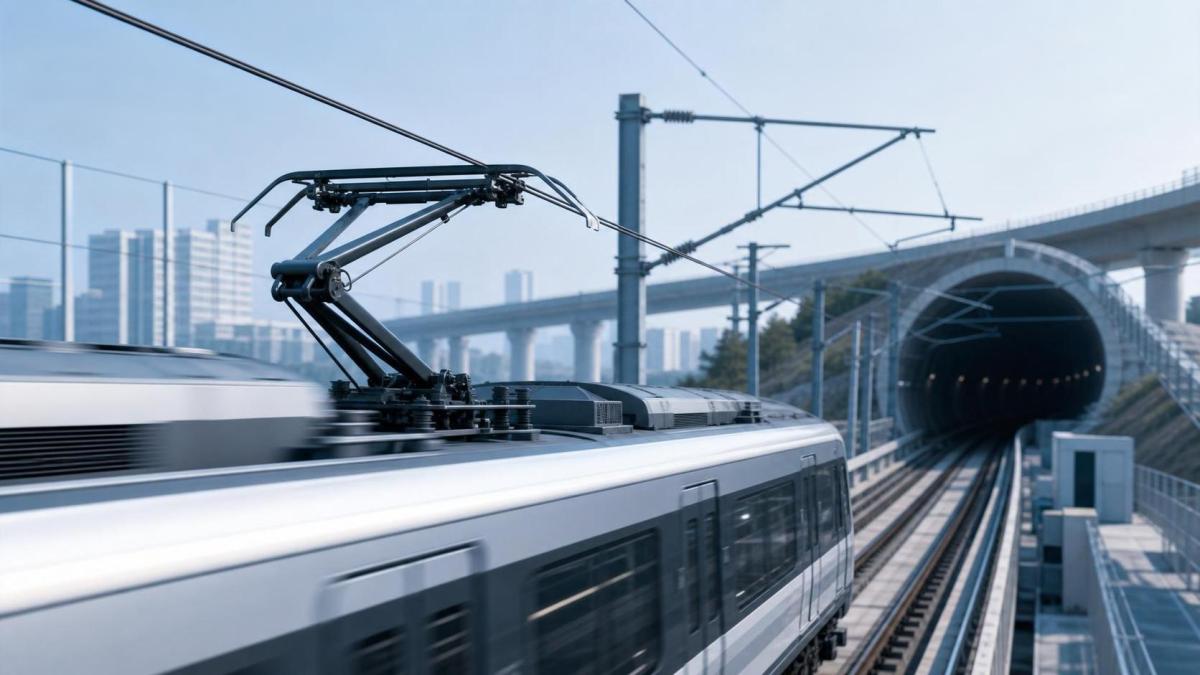
A small mismatch in contact force or head stability can create arcing, strip wear, noise, and service interruptions.
This is why urban rail pantographs are no longer selected only by nominal voltage and envelope size.
Across global transport infrastructure, GTOT tracks the same pattern seen in signalling, braking, and marine systems.
Component selection is moving toward lifecycle intelligence, not simple upfront cost comparison.
The core function behind stable current collection
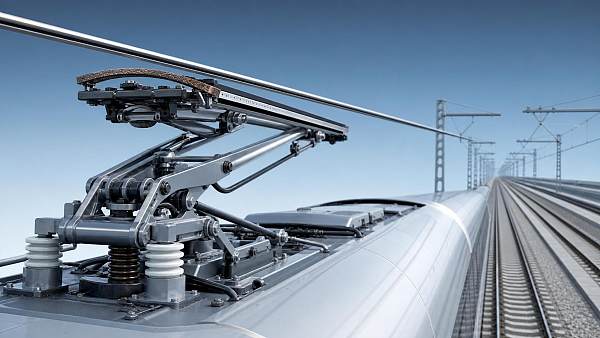
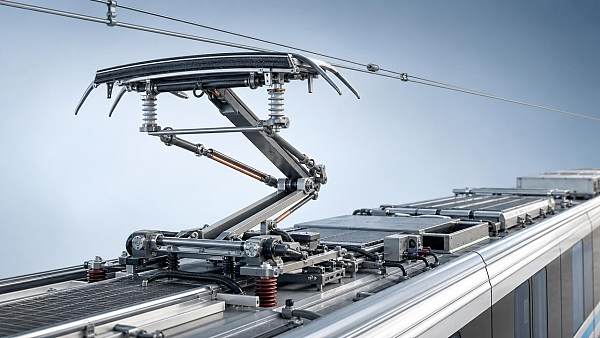
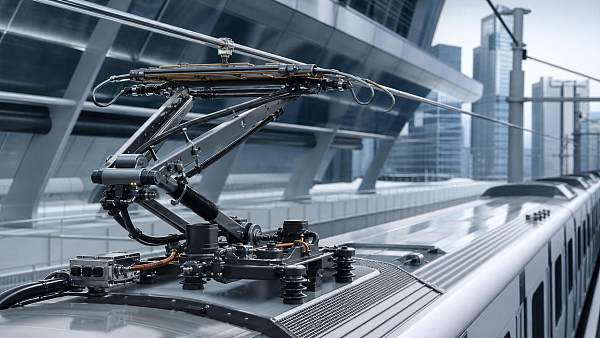
A pantograph must maintain steady contact with the overhead contact wire while the train moves through changing aerodynamic and mechanical conditions.
That sounds simple, but the task involves several competing requirements.
The contact force must be high enough to avoid loss of contact.
It must also stay low enough to limit wear on both the carbon strip and the catenary.
The frame must remain stable under vibration, sway, crosswind, and tunnel pressure effects.
The head geometry must follow the wire accurately through curves, overlaps, and section transitions.
In other words, urban rail pantographs are balancing devices as much as power collection devices.
Why stability matters beyond the pantograph itself
Unstable current collection does not stay local to one component.
It can trigger traction equipment stress, accelerate overhead line maintenance, and increase unscheduled depot work.
For systems seeking high-frequency operation, this translates into lower punctuality and weaker asset utilization.
Selection factors that shape real-world performance
When comparing urban rail pantographs, technical datasheets provide only the starting point.
The more useful question is how the unit behaves in the actual network environment.
Contact force control
Consistent contact force remains the first screening criterion.
Too much variation increases contact loss risk in one section and excessive wear in another.
The most reliable urban rail pantographs keep force behavior predictable across speed ranges and route conditions.
Carbon strip material and wear profile
Strip material selection is closely linked to current demand, environmental contamination, and maintenance intervals.
A lower strip price can become expensive if replacement frequency rises or catenary wear accelerates.
Aerodynamic and vibration behavior
Urban rail speeds may be lower than high-speed rail, but wind pressure and vibration still matter.
Tunnel entries, elevated sections, and train body oscillation can destabilize the head.
A design that performs well on paper may struggle in a route with frequent transitions.
Compatibility with the overhead line system
Pantograph quality cannot be judged in isolation from the catenary.
Head width, uplift characteristics, working range, and insulation design must align with the existing line standard.
This becomes critical in network extensions, mixed fleets, and retrofit programs.
Maintainability and diagnostic readiness
Current projects increasingly value condition visibility.
Urban rail pantographs that support inspection efficiency, modular replacement, and health monitoring reduce long-term service disruption.
Where procurement decisions often go wrong
One common mistake is treating all urban rail pantographs as mature and interchangeable products.
The category is mature, but network conditions are not uniform.
A unit optimized for one metro line may not deliver the same results on another.
Another issue is judging value only through acquisition cost.
If contact strips wear faster, depot intervention rises, or overhead wire damage appears earlier, the cost picture changes quickly.
This mirrors selection logic in other GTOT-covered systems, from signalling integrity to braking reliability and vessel critical equipment.
The strategic question is total operational consequence, not only purchase price.
Typical operating scenarios that change the answer
The best choice depends heavily on route profile and operating model.
- Underground metro lines need strong vibration control, compact geometry, and stable behavior in confined airflow conditions.
- Elevated corridors place more emphasis on wind resistance and weather exposure.
- Airport links and express urban lines may need higher dynamic stability at sustained top speeds.
- Mixed rolling stock environments require close attention to interoperability and maintenance standardization.
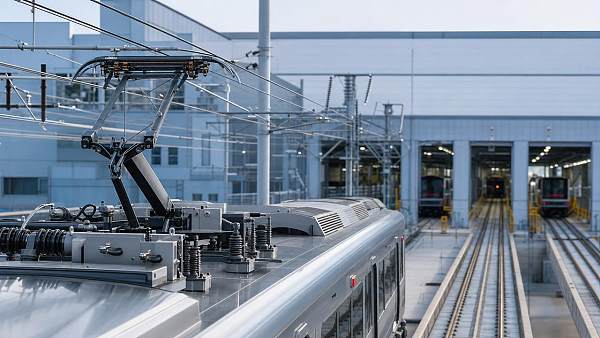
- Retrofit fleets often need envelope compliance without major roof redesign or costly downtime.
These distinctions explain why a generic specification rarely captures real project risk.
What a stronger evaluation framework looks like
A better review process connects component data with network realities.
That means asking how urban rail pantographs perform across the full service cycle, not only during acceptance tests.
Useful checkpoints during comparison
- Check dynamic interaction data with the intended overhead contact system, not a generic reference line.
- Review wear records from similar climates, service frequencies, and maintenance regimes.
- Compare spare part logic, strip replacement time, and inspection access on the vehicle roof.
- Confirm compliance with relevant rail standards, insulation requirements, and fleet integration constraints.
- Look for evidence of digital monitoring readiness if predictive maintenance is part of the roadmap.
From an intelligence perspective, this is where market information becomes practical.
GTOT’s wider view across rail control, traction, and transport infrastructure supports this kind of cross-checking.
It helps separate formal compliance from operational suitability.
A practical next step for decision quality
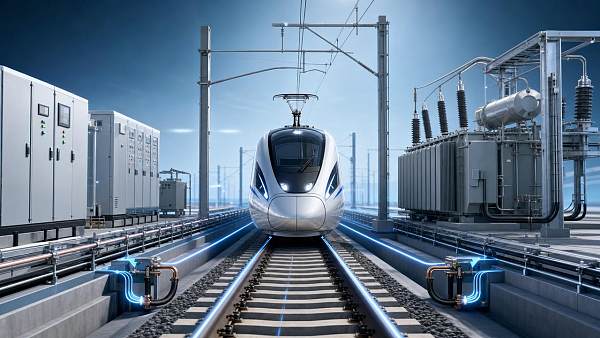
Urban rail pantographs should be assessed as part of a system interaction strategy.
That means aligning vehicle duty cycle, catenary condition, maintenance model, and long-term fleet plans before locking a specification.
Where uncertainty remains, the most useful next move is to build a comparison matrix around contact stability, wear behavior, system fit, and serviceability.
That approach makes it easier to judge which urban rail pantographs will support stable current collection not only at commissioning, but throughout the asset lifecycle.
In a market shaped by reliability targets, tighter budgets, and smarter infrastructure, that difference is rarely minor.
Recommended News
 Jul 30, 2026How to Specify Traction Power Equipment Switchgear for Urban Rail ProjectsTraction power equipment switchgear selection for urban rail starts with system duty, fault levels, maintainability, and lifecycle cost. Learn how to specify the right solution with confidence.
 Jul 15, 2026How to Evaluate an Urban Rail Pantograph Manufacturer for Long-Term ReliabilityUrban rail pantograph manufacturer selection affects safety, uptime, and lifecycle cost. Learn how to assess engineering, testing, production control, and support for long-term reliability.
 Jul 09, 2026Urban Rail Pantograph Price: What Drives Lifecycle CostUrban rail pantograph price is only the starting point. Discover what really drives lifecycle cost, from wear and downtime to reliability, maintenance, and supplier support.
 Jul 04, 2026How to Evaluate Railway Pantograph Components for EMU ReliabilityRailway pantograph components for EMU reliability: learn how to assess contact stability, wear, dynamics, and lifecycle risk to improve fleet performance and reduce maintenance costs.
 Jul 01, 2026How to Evaluate Pantographs for Tram Systems by Wear, Noise, and UptimePantographs for tram systems: learn how to evaluate wear, noise, and uptime with practical metrics that reduce risk, improve reliability, and support smarter fleet decisions.
 Jun 27, 2026Pantograph Components Checklist for Retrofit and ReplacementPantograph components checklist for retrofit and replacement: learn how to assess compatibility, wear, climate, and lifecycle cost to improve rail reliability and reduce downtime.
 Jun 26, 2026Urban Rail Pantographs: Selection Factors for Stable Current CollectionUrban rail pantographs are key to stable current collection. Learn the selection factors that improve reliability, reduce wear, and support efficient metro and light rail operations.
 Jun 26, 2026Urban Rail Pantographs: Common Wear Problems and FixesUrban rail pantographs face wear from arcing, contamination, and mechanical looseness. Learn the common problems, practical fixes, and maintenance tips to boost reliability and cut downtime.
 Jun 17, 2026How to Compare Pantographs Manufacturers for Urban Rail ProjectsPantographs manufacturers for urban rail: learn how to compare technical performance, lifecycle cost, certifications, and service support to choose lower-risk suppliers for transit projects.
 Jun 11, 2026How to Compare Pantographs Manufacturers for Urban Rail ProjectsPantographs manufacturers for urban rail should be compared on technical fit, lifecycle cost, quality control, and support. Learn how to choose a reliable supplier with confidence.
 Jun 06, 2026Pantographs Manufacturers for Urban Rail: Key Checks Before ShortlistingPantographs manufacturers for urban rail: discover the key checks for technical fit, compliance, reliability, and after-sales support before shortlisting suppliers.
 May 27, 2026How to Compare Urban Rail Pantographs Manufacturers in 2026Pantographs manufacturers for urban rail: learn how to compare suppliers in 2026 by performance, compliance, lifecycle cost, and support to reduce risk and choose with confidence.
 May 19, 2026Pantographs Manufacturers for Urban Rail: What Impacts Lifecycle Value?Pantographs manufacturers for urban rail: discover what drives lifecycle value beyond price, from contact stability and maintenance to compatibility, testing, and long-term fleet reliability.
 May 07, 2026Traction Power Issues Behind Repeated Rail System DowntimeTraction power issues often hide behind repeated rail downtime. Learn the key fault triggers, fast-check methods, and maintenance insights to restore reliability and cut recurring failures.