



Search News
Industry Portal
Popular Tags
How to Evaluate Railway Pantograph Components for EMU Reliability
Author
Time
Click Count
Evaluating railway pantograph components for EMU reliability starts with a simple shift in perspective. A pantograph is not just a roof-mounted assembly. It is a live interface between vehicle dynamics, overhead line behavior, and power quality.
That is why a technical review cannot stop at catalog data. Stable current collection, contact strip wear, aerodynamic response, and lifecycle consistency all matter, especially when trains run at high speed, in mixed weather, and under dense service schedules.
Across the wider transport sector, this topic also reflects a larger shift. Platforms such as GTOT increasingly connect rail component intelligence with broader infrastructure and asset-reliability decisions, where safety, digital monitoring, and long-term operating value are judged together.
Why Pantograph Evaluation Has Become More Critical
EMU fleets are expected to deliver punctuality, energy efficiency, and low unplanned maintenance. In that context, railway pantograph components for EMU are no longer evaluated as isolated spare parts. They are assessed as contributors to system reliability.
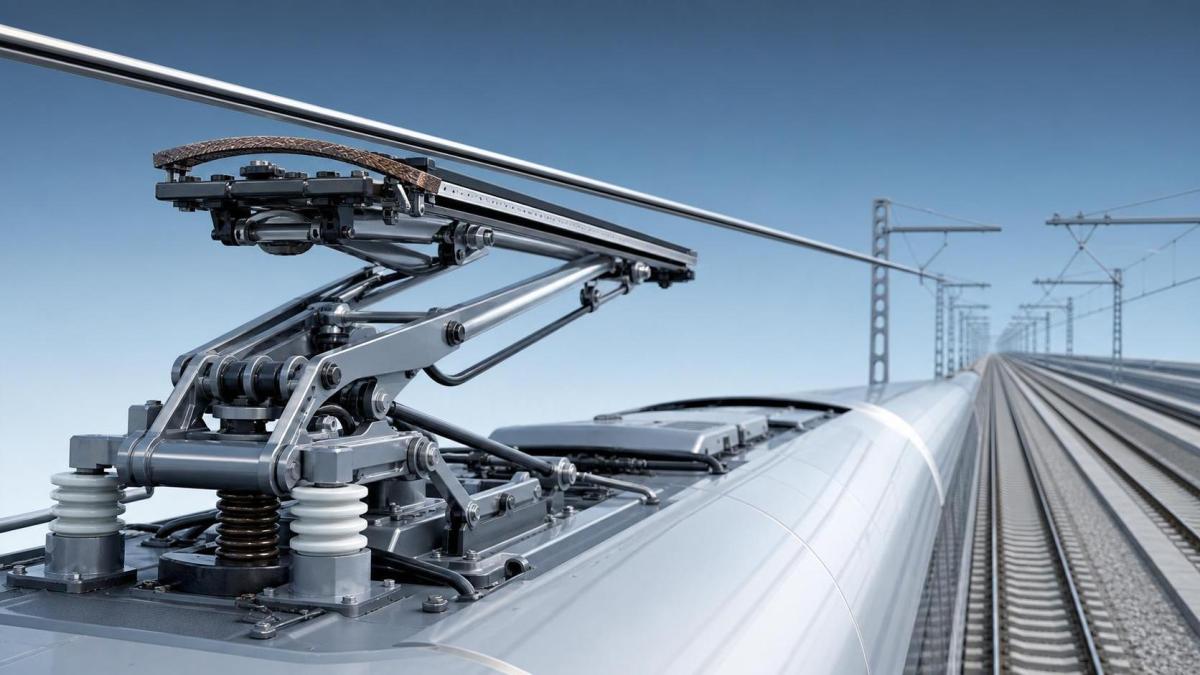
A small deviation in contact force can increase arcing. Excessive uplift can damage the catenary. Poor damping can trigger unstable interaction at speed. Each issue affects not only one trainset, but also maintenance windows, energy loss, and network resilience.
More attention is also coming from procurement and tendering practice. Operators increasingly ask for evidence of durability, compatibility, and measurable field performance, not only nominal compliance with drawings or basic standards.
What Should Be Included in the Assessment Scope
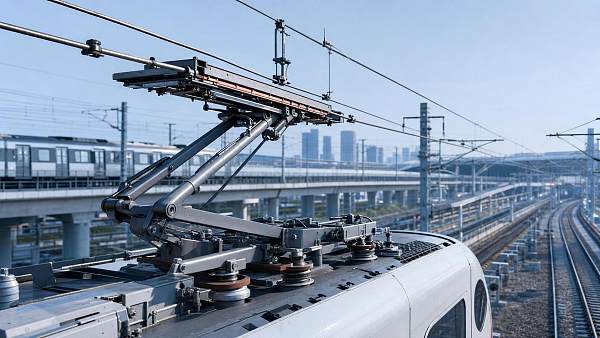
When reviewing railway pantograph components for EMU, the scope should cover the full current collection chain. Focusing on one visible part, such as the strip, often hides the real reliability drivers.
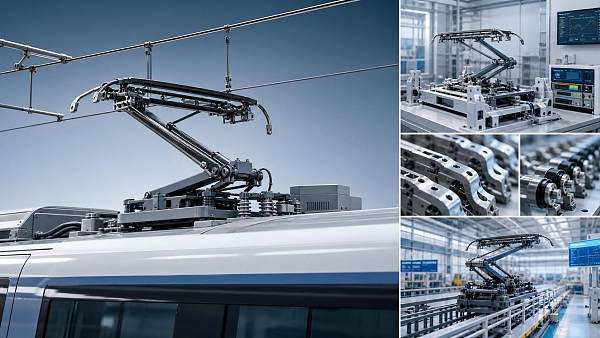
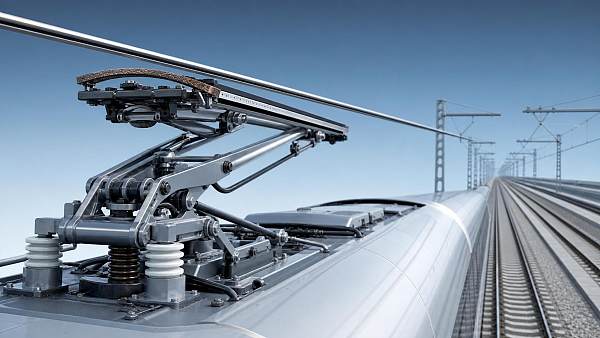
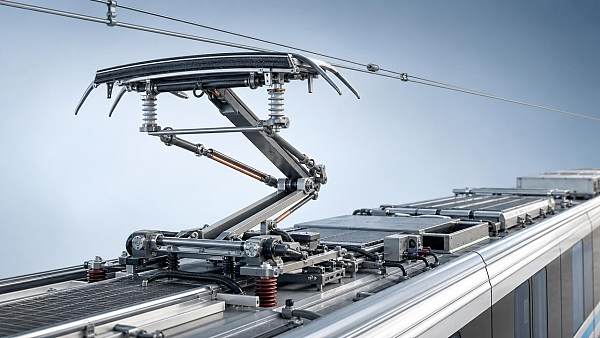
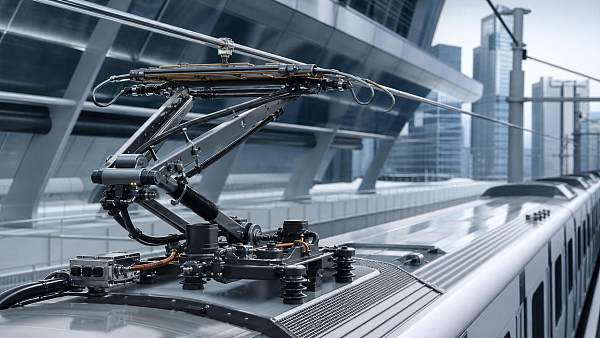
Core items usually include the frame, collector head, contact strips, suspension elements, springs, dampers, insulators, pneumatic or electropneumatic actuators, sensors, and the control interface.
The key point is interaction. A high-grade strip cannot compensate for poor head stability. A strong actuator cannot recover performance if the linkage introduces vibration or uneven force distribution.
A practical way to group evaluation objects
The Performance Indicators That Matter Most
Reliable railway pantograph components for EMU are usually judged through a balance of electrical, mechanical, and environmental indicators. Looking at only one dimension creates blind spots.
Current collection stability
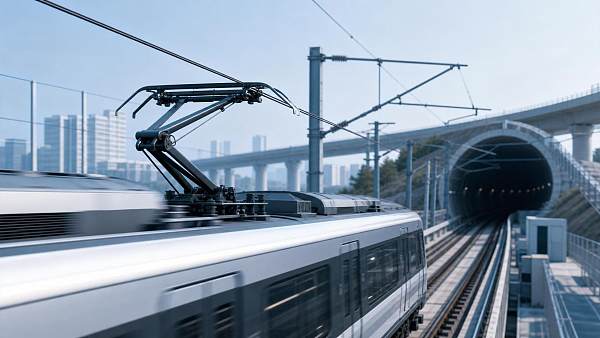
This is the central indicator. The pantograph must maintain continuous, controlled contact with the overhead line across speed changes, tunnel entry, crosswinds, and catenary variation.
Assessors usually review contact force range, force fluctuation, loss-of-contact frequency, arc rate, and current transmission behavior. Field data matters here more than generic brochure claims.
Wear and material endurance
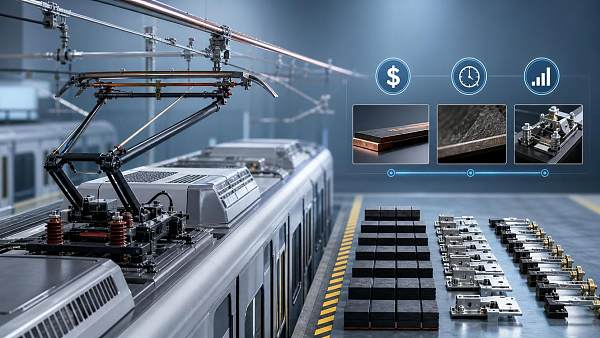
Contact strip life directly affects maintenance cost and service continuity. Material quality should be judged with wear rate, thermal behavior, resistance to cracking, and compatibility with the local catenary material.
A strip that lasts longer in one network may perform poorly in another. Speed profile, current load, humidity, airborne dust, and line tension all shape wear behavior.
Dynamic and aerodynamic behavior
At higher operating speeds, aerodynamic uplift and vibration become decisive. Railway pantograph components for EMU should therefore be reviewed through wind tunnel data, simulation results, and route-specific validation where possible.
Low mass alone is not enough. The assembly also needs controlled stiffness, damping, and stable geometry under repeated loading.
Lifecycle consistency
Initial performance can look excellent. Reliability often declines later because of fatigue, sealing deterioration, contamination, or parameter drift in actuators and sensors.
That is why lifecycle evidence should include overhaul intervals, mean time between failures, spare-part stability, and performance dispersion across batches.
Common Failure Risks Behind Weak EMU Reliability
In practice, failures rarely come from one dramatic defect. More often, they emerge from accumulation: slight misalignment, marginal damping, material inconsistency, or maintenance settings drifting from the intended range.
- Uneven strip wear caused by poor head geometry or catenary mismatch.
- Excessive arcing linked to unstable contact force at transition points.
- Fatigue cracking in arms or joints after high vibration exposure.
- Actuator response degradation under cold weather or contaminated air supply.
- Insulation weakness in coastal, dusty, or heavily polluted environments.
This is one reason cross-sector intelligence matters. GTOT’s broader focus on harsh-condition equipment, from traction systems to ocean-going assets, reflects a useful discipline: reliability should be judged under real environmental stress, not ideal laboratory assumptions.
How to Compare Options in Real Projects
A useful comparison method starts with the operating context. Railway pantograph components for EMU should be matched to route speed, current demand, catenary design, weather exposure, maintenance capability, and fleet standardization goals.
A suburban EMU with frequent acceleration cycles may prioritize robustness and maintainability. A high-speed platform may place more weight on aerodynamic stability, low noise, and contact quality above 300 km/h.
Questions that sharpen the evaluation
- What performance data comes from routes with similar speed and climate?
- How wide is the acceptable contact force band over time?
- Which components drive the shortest maintenance interval?
- How sensitive is the design to setup tolerance or technician skill?
- Are failure records supported by root-cause evidence or only replacement history?
- Can condition monitoring data be integrated into fleet maintenance systems?
These questions often reveal more than a long list of certifications. Compliance is necessary, but it does not automatically predict operational consistency.
From Component Review to Asset Strategy
The best assessments connect component-level evidence with fleet-level consequences. A more durable strip may reduce workshop time. Better damping may lower catenary wear. A more diagnosable actuator may shorten fault isolation after service disruption.
This broader view fits the direction of the transport industry. Rail operators, EPC teams, and infrastructure stakeholders increasingly evaluate assets through reliability, digital traceability, energy discipline, and lifecycle economics together.
For that reason, railway pantograph components for EMU should be documented with clear acceptance criteria, route-specific test evidence, and a maintenance logic that can be sustained after commissioning.
A Sound Next Step for Evaluation
A credible review framework usually begins by separating assumptions from proven data. List the operating conditions first. Then map each pantograph component to measurable reliability risks, validation methods, and maintenance implications.
Where several options appear similar, compare them through lifecycle dispersion, field references, and tolerance to environmental stress. That approach gives a clearer picture than price or nominal specification alone.
In the end, evaluating railway pantograph components for EMU reliability is about protecting continuous power collection under imperfect real-world conditions. The strongest decisions usually come from combining test data, service evidence, and a realistic understanding of how the train will actually run.
Recommended News
 Jul 30, 2026How to Specify Traction Power Equipment Switchgear for Urban Rail ProjectsTraction power equipment switchgear selection for urban rail starts with system duty, fault levels, maintainability, and lifecycle cost. Learn how to specify the right solution with confidence.
 Jul 15, 2026How to Evaluate an Urban Rail Pantograph Manufacturer for Long-Term ReliabilityUrban rail pantograph manufacturer selection affects safety, uptime, and lifecycle cost. Learn how to assess engineering, testing, production control, and support for long-term reliability.
 Jul 09, 2026Urban Rail Pantograph Price: What Drives Lifecycle CostUrban rail pantograph price is only the starting point. Discover what really drives lifecycle cost, from wear and downtime to reliability, maintenance, and supplier support.
 Jul 04, 2026How to Evaluate Railway Pantograph Components for EMU ReliabilityRailway pantograph components for EMU reliability: learn how to assess contact stability, wear, dynamics, and lifecycle risk to improve fleet performance and reduce maintenance costs.
 Jul 01, 2026How to Evaluate Pantographs for Tram Systems by Wear, Noise, and UptimePantographs for tram systems: learn how to evaluate wear, noise, and uptime with practical metrics that reduce risk, improve reliability, and support smarter fleet decisions.
 Jun 27, 2026Pantograph Components Checklist for Retrofit and ReplacementPantograph components checklist for retrofit and replacement: learn how to assess compatibility, wear, climate, and lifecycle cost to improve rail reliability and reduce downtime.
 Jun 26, 2026Urban Rail Pantographs: Selection Factors for Stable Current CollectionUrban rail pantographs are key to stable current collection. Learn the selection factors that improve reliability, reduce wear, and support efficient metro and light rail operations.
 Jun 26, 2026Urban Rail Pantographs: Common Wear Problems and FixesUrban rail pantographs face wear from arcing, contamination, and mechanical looseness. Learn the common problems, practical fixes, and maintenance tips to boost reliability and cut downtime.
 Jun 17, 2026How to Compare Pantographs Manufacturers for Urban Rail ProjectsPantographs manufacturers for urban rail: learn how to compare technical performance, lifecycle cost, certifications, and service support to choose lower-risk suppliers for transit projects.
 Jun 11, 2026How to Compare Pantographs Manufacturers for Urban Rail ProjectsPantographs manufacturers for urban rail should be compared on technical fit, lifecycle cost, quality control, and support. Learn how to choose a reliable supplier with confidence.
 Jun 06, 2026Pantographs Manufacturers for Urban Rail: Key Checks Before ShortlistingPantographs manufacturers for urban rail: discover the key checks for technical fit, compliance, reliability, and after-sales support before shortlisting suppliers.
 May 27, 2026How to Compare Urban Rail Pantographs Manufacturers in 2026Pantographs manufacturers for urban rail: learn how to compare suppliers in 2026 by performance, compliance, lifecycle cost, and support to reduce risk and choose with confidence.
 May 19, 2026Pantographs Manufacturers for Urban Rail: What Impacts Lifecycle Value?Pantographs manufacturers for urban rail: discover what drives lifecycle value beyond price, from contact stability and maintenance to compatibility, testing, and long-term fleet reliability.
 May 07, 2026Traction Power Issues Behind Repeated Rail System DowntimeTraction power issues often hide behind repeated rail downtime. Learn the key fault triggers, fast-check methods, and maintenance insights to restore reliability and cut recurring failures.