



Search News
Industry Portal
Popular Tags
What a Maritime Logistics Intelligence Platform Should Track First
Author
Time
Click Count
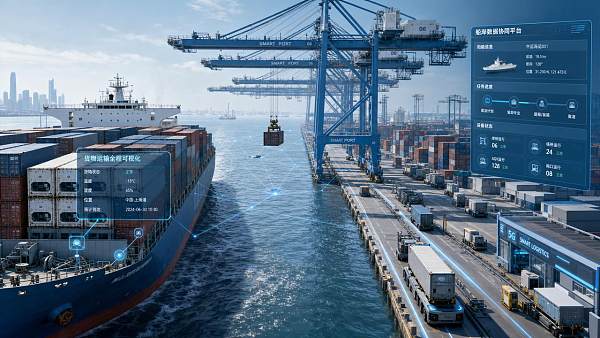
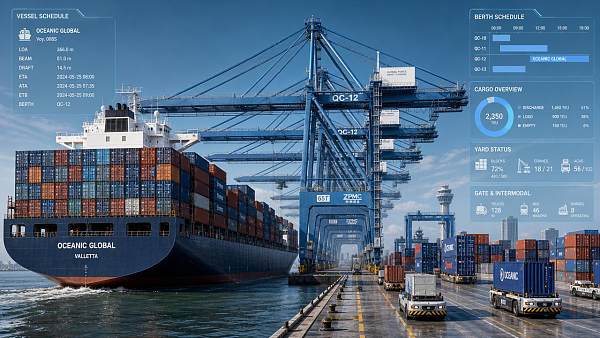
For operators under pressure to improve vessel utilization, reduce delays, and keep cargo moving, a maritime logistics intelligence platform should start by tracking what affects decisions in real time: vessel position, port congestion, ETA accuracy, container flow, and exception alerts. When these signals are visible first, teams can respond faster, coordinate better, and turn fragmented maritime data into practical operational control.
Why tracking priorities change across maritime operating scenarios
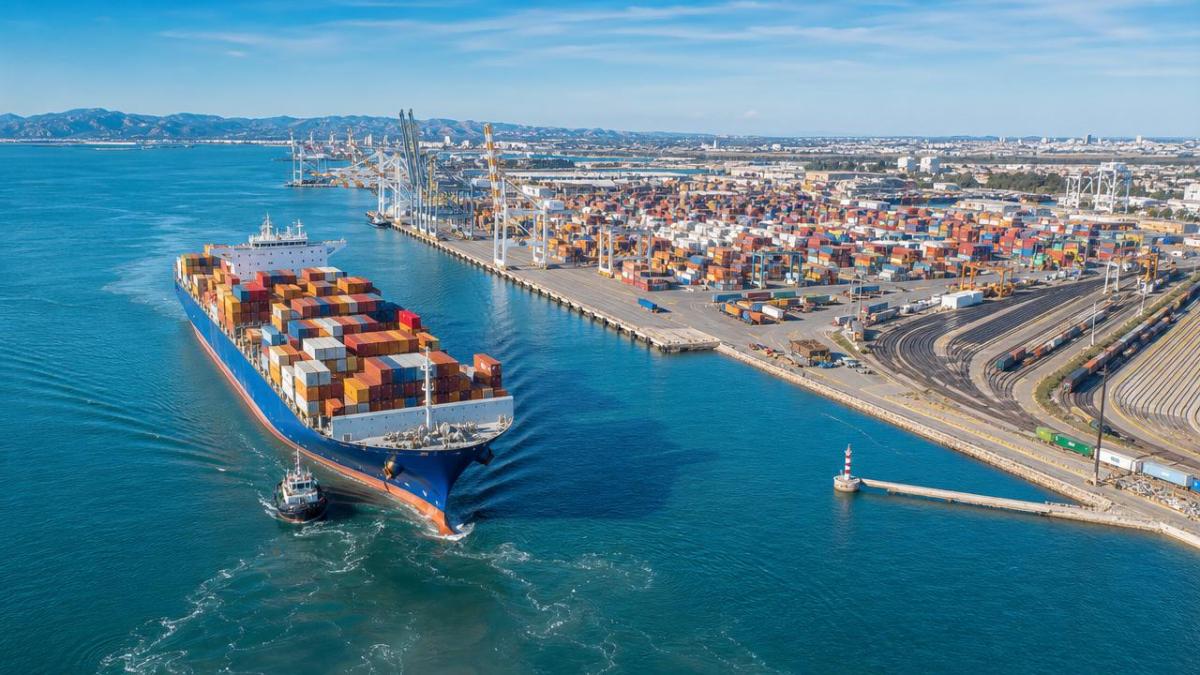
A maritime logistics intelligence platform is only useful when it reflects the operating context behind each voyage, terminal call, and inland connection.
The first metrics to track for a feeder route differ from those required for LNG shipping, smart container ship deployment, or multi-port intercontinental schedules.
This matters because early tracking priorities shape alerts, dashboards, resource allocation, and the timing of operational decisions.
For GTOT, the issue also connects land-sea coordination, where maritime visibility affects rail transfer efficiency, port handoff timing, and overall supply chain continuity.
A strong maritime logistics intelligence platform should therefore begin with scenario-driven data hierarchy, not a broad but shallow list of disconnected indicators.
Scenario one: high-frequency container services need movement visibility first
In dense container networks, the first tracking layer should focus on vessel position, berth window adherence, terminal queue time, and container dwell movement.
These indicators drive schedule integrity more than static voyage plans do, especially when multiple short port calls create compounding delays.
Core judgment points in this scenario
- Is AIS-based vessel position updating often enough to support near-real-time dispatch decisions?
- Does the maritime logistics intelligence platform compare planned ETA with dynamic ETA?
- Can container milestones reveal bottlenecks before missed transshipment connections occur?
- Are port congestion alerts tied to actionable alternatives such as sequence changes or inland rescheduling?
In this use case, speed of visibility matters more than extreme engineering detail. The objective is faster intervention across vessel, terminal, and hinterland coordination.
Scenario two: long-haul smart vessels need predictive ETA and route deviation tracking
For smart container ships on intercontinental routes, a maritime logistics intelligence platform should first track ETA confidence, route deviation risk, and weather-linked speed impact.
Long-distance voyages amplify the cost of small forecasting errors. A one-day ETA miss can disrupt berthing, feeder links, rail planning, and cargo availability.
What deserves priority
- Dynamic ETA calculation using weather, speed, currents, and port sequence conditions.
- Fuel-speed tradeoff visibility for schedule recovery versus energy efficiency.
- Deviation alerts when route choices threaten downstream terminal slots.
- Cargo priority mapping for containers with critical transfer dependencies.
This is where a maritime logistics intelligence platform moves from passive monitoring to decision support.
GTOT’s focus on AI route optimization and ship-to-shore synergy aligns closely with this scenario, where predictive control delivers measurable operational value.
Scenario three: LNG and sensitive cargo operations need exception visibility first
In LNG shipping and other tightly controlled cargo movements, exception tracking should come before broad commercial reporting.
A maritime logistics intelligence platform should first surface schedule disruption, berth readiness variance, environmental restriction updates, and handoff delays.
For these voyages, decision quality depends on early warning. The priority is not only location visibility, but operational condition visibility.
Core judgment points in this scenario
- Can the platform flag terminal readiness mismatches before arrival?
- Are weather and channel restrictions linked to timing alerts?
- Does exception logic prioritize cargo sensitivity over generic delay reporting?
- Can users see whether a delay affects downstream energy or industrial supply continuity?
For high-value and highly regulated movements, the best maritime logistics intelligence platform reduces uncertainty before the vessel reaches the port approach.
Scenario four: land-sea interconnection requires container flow and transfer timing
When maritime operations connect directly with rail or inland corridors, the first tracking priority should shift toward transfer timing and cargo flow continuity.
This scenario is especially relevant to GTOT, where maritime intelligence supports a broader transport system across ocean terminals and rail-linked logistics nodes.
A maritime logistics intelligence platform should make it easy to see whether arriving cargo will meet inland capacity, slot windows, and connection commitments.
Signals that matter first
- Arrival sequence changes that affect inland rail loading plans.
- Container release status and terminal availability.
- Port dwell trends by cargo type or destination corridor.
- Exception alerts for missed handoff thresholds.
Without these signals, maritime visibility remains isolated. With them, the maritime logistics intelligence platform becomes a true interconnection layer.
How first-priority tracking differs by scenario
Practical recommendations for platform setup and data hierarchy
A maritime logistics intelligence platform should not begin with every available feed. It should begin with the few indicators that trigger real action.
Recommended setup sequence
- Define the primary operating scenario for each voyage or service pattern.
- Select five to seven first-priority metrics linked to decisions, not just reporting.
- Set threshold-based alerts for ETA drift, congestion spikes, and transfer risk.
- Connect vessel data with terminal and inland status for full movement context.
- Review false alerts monthly and refine logic based on real outcomes.
This method keeps the maritime logistics intelligence platform useful from day one, while creating room for deeper analytics later.
Common mistakes when deciding what a maritime logistics intelligence platform should track first
A common mistake is overvaluing dashboard volume. More data does not mean better visibility if signals are not ranked by operational impact.
Another mistake is tracking vessel location without linking it to berth conditions, terminal productivity, or inland consequences.
Some platforms also rely on static ETA logic. That creates planning confidence without planning accuracy.
Others treat all exceptions equally. In practice, cargo sensitivity, route criticality, and transfer dependencies should shape alert severity.
The strongest maritime logistics intelligence platform avoids these errors by aligning data design with the decision moments that matter most.
What to do next for a more effective maritime intelligence rollout
Start with one scenario, one service pattern, and one decision chain. Then identify which delays or blind spots create the most operational cost.
From there, configure the maritime logistics intelligence platform around first-priority visibility: position, congestion, ETA, flow, and exceptions.
Expand only after those signals are trusted and used consistently. This keeps the platform practical, measurable, and scalable.
For organizations operating across port, vessel, and inland systems, GTOT’s land-sea intelligence perspective offers a useful model for building that progression.
In the end, the right maritime logistics intelligence platform does not track everything first. It tracks the few signals that let operations respond before delays spread.
Recommended News
 Sep 19, 2026What vessel connectivity equipment is needed for reliable cargo monitoring?Vessel connectivity equipment for reliable cargo monitoring: explore satellite links, IoT gateways, sensors, edge storage, and cybersecurity for smarter maritime operations.
 Aug 16, 2026How digital land-sea interconnection improves cargo transfer efficiencyDigital land-sea interconnection helps cargo move faster by syncing rail, port, and vessel operations in real time, reducing delays and boosting transfer efficiency.
 Jun 26, 2026Maritime Logistics Systems: How to Cut Delays in Port OperationsMaritime logistics systems help ports cut delays with real-time visibility, smarter berth planning, and faster coordination. Discover practical ways to reduce bottlenecks and improve port operations.
 Jun 24, 2026Perceptive Interconnection in Cargo Monitoring: What Improves Response Speed?Perceptive interconnection helps cargo monitoring respond faster by linking sensor data, context, and action across ship, port, and inland operations. See what truly improves speed.
 Jun 06, 2026Smart Container Ship Logistics: What Improves Cargo Visibility FastMaritime logistics for smart container ships improves cargo visibility fast with better sensors, cleaner event data, and stronger ship-to-shore integration. Discover what drives faster, smarter decisions.
![]() Jun 04, 2026Smart Maritime Logistics: Where Cargo Monitoring Adds ValueSmart maritime logistics turns cargo monitoring into real business value—improving visibility, reducing risk, supporting compliance, and strengthening cost control across global supply chains.
Jun 04, 2026Smart Maritime Logistics: Where Cargo Monitoring Adds ValueSmart maritime logistics turns cargo monitoring into real business value—improving visibility, reducing risk, supporting compliance, and strengthening cost control across global supply chains. May 28, 2026Maritime Logistics for Smart Container Ships: 5 Cargo Monitoring Gaps to Fix EarlyMaritime logistics for smart container ships: discover 5 early cargo monitoring gaps that can trigger claims, compliance failures, and delays—and learn what to fix first.
 May 26, 2026How Maritime Logistics Intelligence Platforms Reduce Cargo Visibility GapsMaritime logistics intelligence platform insights reveal how to close cargo visibility gaps, improve ETA accuracy, reduce delays, and help operators act faster across ocean supply chains.
![]() May 23, 2026Perceptive Interconnection in Cargo MonitoringPerceptive interconnection transforms cargo monitoring with real-time visibility, faster alerts, and smarter control across rail and ocean networks—improving safety, reducing risk, and boosting efficiency.
May 23, 2026Perceptive Interconnection in Cargo MonitoringPerceptive interconnection transforms cargo monitoring with real-time visibility, faster alerts, and smarter control across rail and ocean networks—improving safety, reducing risk, and boosting efficiency. May 20, 2026Smart Container Ships: Maritime Logistics Gaps That Still Delay TurnaroundMaritime logistics for smart container ships still faces berth, data, and terminal gaps that delay turnaround. Discover practical fixes to improve port performance and supply chain resilience.
 May 19, 2026What a Maritime Logistics Intelligence Platform Should Track FirstA maritime logistics intelligence platform should track vessel position, port congestion, ETA accuracy, container flow, and exception alerts first to cut delays and improve operational control.
 May 18, 2026Smart Maritime Technology for Better Cargo VisibilitySmart maritime technology improves cargo visibility with real-time tracking, safer vessel coordination, and faster decisions—helping operators reduce delays and strengthen supply chain control.