



Search News
Industry Portal
Popular Tags
Perceptive Interconnection in Cargo Monitoring: What Improves Response Speed?
Author
Time
Click Count
In cargo monitoring, speed is not only about faster data transmission. It is about turning scattered signals into usable decisions before delays, spoilage, route disruption, or equipment stress become costly. That is why perceptive interconnection matters. It connects sensing, communication, and operational judgment across ships, ports, inland corridors, and control rooms, creating a more responsive chain of action.
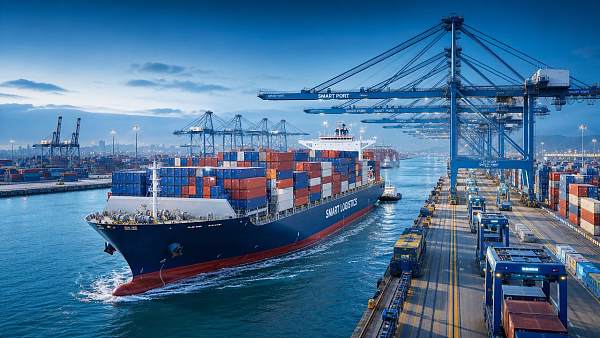
This topic has become more relevant as global transport systems grow denser and more integrated. Smart container ships, port platforms, railway interfaces, and strategic control centers now depend on shared visibility. In that environment, response speed improves when information reaches the right point with enough context to support timely intervention.
Why response speed now defines cargo monitoring performance
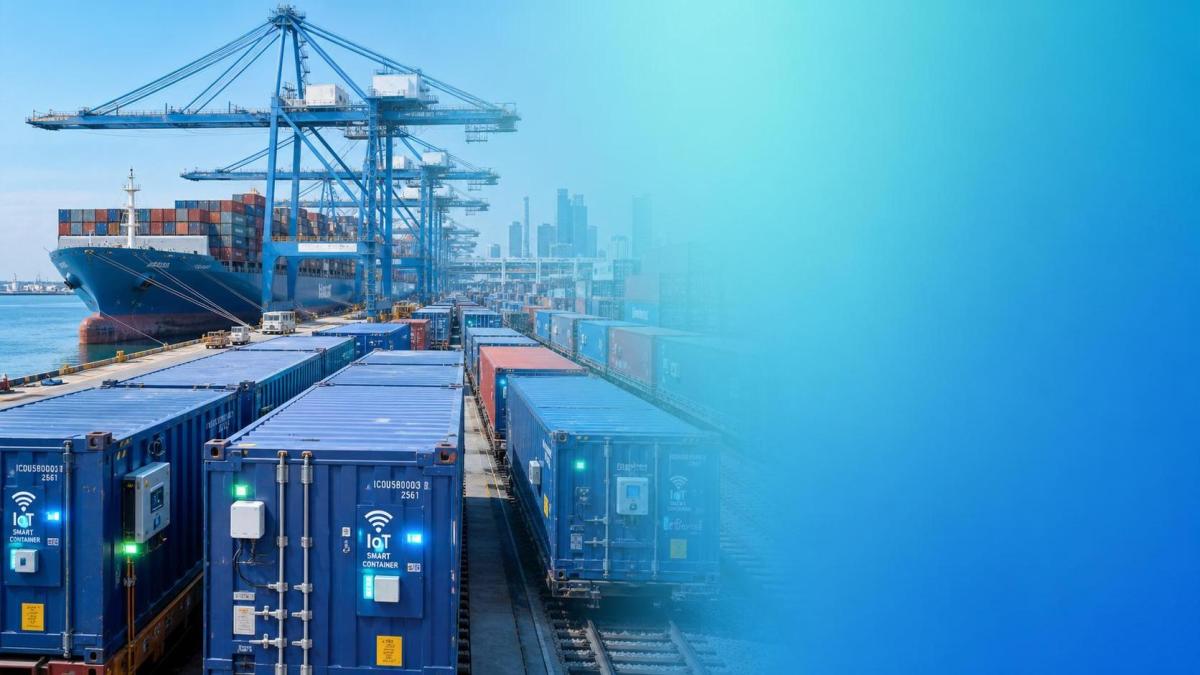
Cargo monitoring used to focus on location confirmation and basic condition checks. Today, that is no longer enough. Operators need to detect changing temperature, vibration, seal status, route deviation, power instability, and berth timing in near real time.
A late alert often has a chain effect. A missed condition shift on board may affect unloading windows. A delayed maintenance signal can disrupt rail transfer plans. A weak data handoff between ship and shore may slow customs, dispatch, and asset allocation.
Perceptive interconnection improves this by reducing the gap between observation and action. Instead of treating each device or platform as an isolated node, it builds a connected operational picture.
That logic fits the wider GTOT view of land-sea interconnection. Whether the subject is railway signal control, braking precision, or smart maritime logistics, the common issue is the same: response quality depends on how well intelligence moves across the system.
What perceptive interconnection really means in practice
Perceptive interconnection is more than digital visibility. It means a monitoring structure that can sense, interpret, share, and prioritize operational changes without waiting for manual consolidation.
In practical terms, it usually combines several layers.
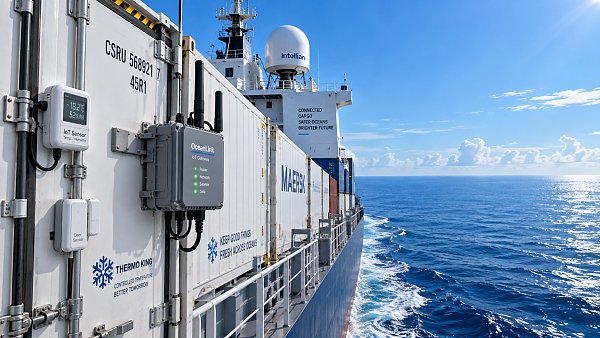
- Sensing devices that capture temperature, humidity, shock, door status, energy supply, and geolocation.
- Communication links that move data between vessel systems, terminals, and inland transfer points.
- Decision logic that filters noise, ranks urgency, and directs alerts to the correct workflow.
- Operational interfaces that allow rapid confirmation, escalation, and coordinated response.
The value is not in collecting more data alone. The value comes from reducing ambiguity. When perceptive interconnection works well, teams do not spend critical minutes verifying whether a signal is real, relevant, or already handled elsewhere.
The factors that actually improve response speed
Many systems claim fast monitoring, but response speed depends on a few operational conditions. These are the factors that usually make the biggest difference.
Data quality at the edge
Poor sensor calibration creates false alarms and delayed trust. Accurate edge data shortens the time between anomaly detection and decision approval.
Reliable communication continuity
Cargo routes cross sea zones, ports, rail yards, and inland hubs. If network handover fails, monitoring becomes fragmented. Perceptive interconnection depends on continuity, not just peak bandwidth.
Event prioritization
Not every signal deserves the same response. Better systems classify conditions by severity, asset value, route stage, and time sensitivity. That prevents important alerts from getting buried.
Shared operational context
A temperature alert means something different during ocean crossing, terminal dwell, or rail transfer. Response speed improves when the system understands journey context, not just raw values.
Clear escalation paths
Even strong monitoring loses value if action ownership is unclear. A connected workflow must show who validates, who intervenes, and what threshold triggers the next step.
Where perceptive interconnection shows the most value
The strongest results usually appear in complex, high-consequence transport chains. Smart container shipping is an obvious example, but the logic extends further.
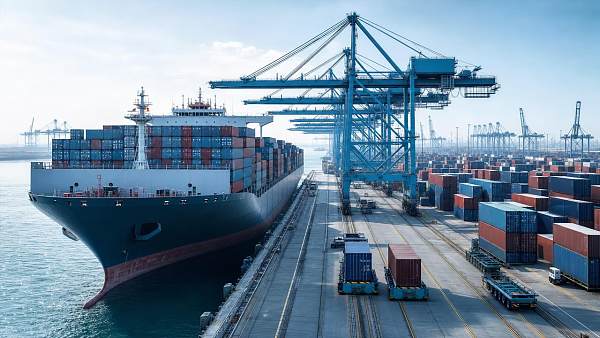
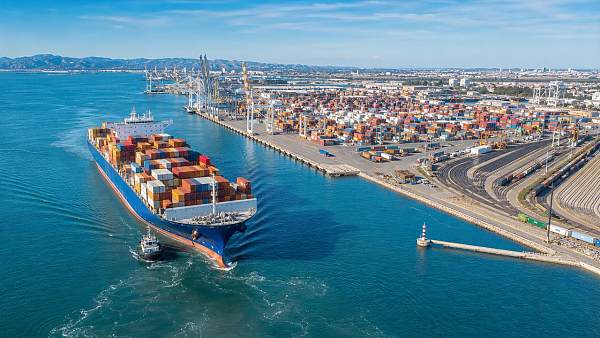
On ocean-going vessels, perceptive interconnection supports route-aware cargo oversight, equipment health visibility, and earlier detection of conditions that may affect schedule integrity.
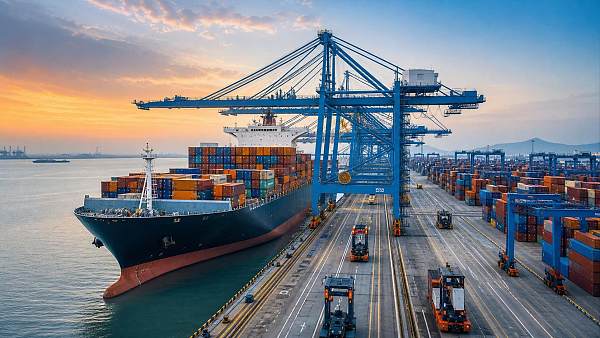
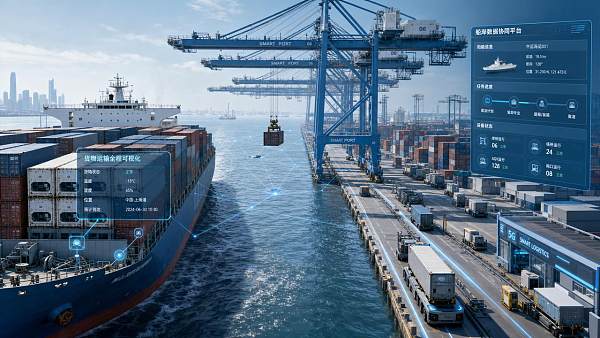
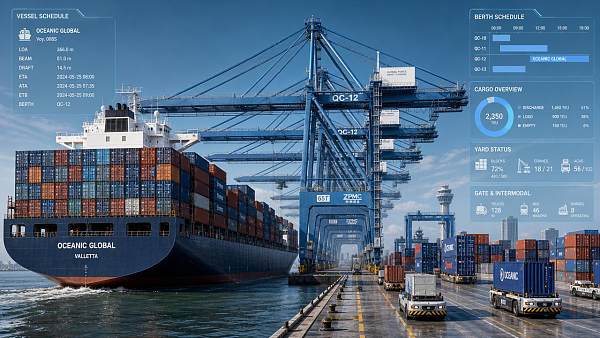
At the port interface, it helps connect berth operations, crane timing, yard handling, and customs flow. Faster response here often prevents small disruptions from expanding into network delays.
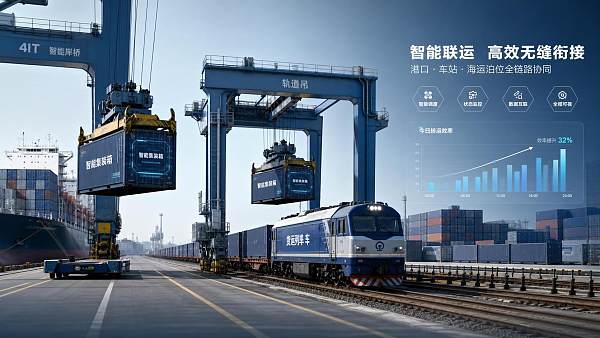
During inland transfer, especially where rail and maritime logistics intersect, the value becomes even clearer. GTOT’s broader focus on signal control systems, traction power stability, and braking safety reflects the same operating principle: synchronized information supports safer, faster decisions.
For temperature-sensitive, high-value, or risk-regulated cargo, the importance rises again. LNG-linked logistics, sensitive industrial components, and critical supply cargo all benefit from monitoring that does more than report status after the fact.
How to judge whether a monitoring setup is truly responsive
Response speed should be evaluated as an end-to-end capability. A dashboard may look modern while the actual intervention path remains slow.
Several questions help reveal the difference.
- How long does it take from anomaly detection to visible alert acknowledgment?
- Can the system preserve data continuity across ship, port, and inland handoffs?
- Does perceptive interconnection support root-cause clues, or only symptom reporting?
- Are thresholds dynamic enough for route stage, weather, and cargo profile?
- Can alerts trigger action records, not just notification messages?
A useful sign is whether the monitoring platform reduces decision friction. If staff still rely on separate calls, spreadsheets, and manual reconciliation, response speed remains limited even with connected devices.
What deserves attention in the next stage
The next improvement wave will likely come from better intelligence stitching across transport domains. That includes stronger ship-to-shore synchronization, more adaptive event models, and closer alignment between cargo status and asset condition data.
This is where strategic industry observation becomes useful. GTOT’s perspective across smart vessels, rail control, traction systems, and safety-critical transport components shows that perceptive interconnection is not a narrow software concept. It is becoming an operating discipline across land and sea infrastructure.
A practical next step is to map where delays really occur inside the monitoring chain. In some cases, the problem sits at the sensor edge. In others, it appears in data handoff, alert design, or authority routing.
Once those weak points are visible, it becomes easier to compare platforms, refine thresholds, and define which kind of perceptive interconnection will actually improve response speed in a specific cargo environment.
That approach creates a more useful benchmark than chasing digital features alone. In cargo monitoring, fast reaction comes from connected judgment, not just connected hardware.
Recommended News
 Sep 19, 2026What vessel connectivity equipment is needed for reliable cargo monitoring?Vessel connectivity equipment for reliable cargo monitoring: explore satellite links, IoT gateways, sensors, edge storage, and cybersecurity for smarter maritime operations.
 Aug 16, 2026How digital land-sea interconnection improves cargo transfer efficiencyDigital land-sea interconnection helps cargo move faster by syncing rail, port, and vessel operations in real time, reducing delays and boosting transfer efficiency.
 Jun 26, 2026Maritime Logistics Systems: How to Cut Delays in Port OperationsMaritime logistics systems help ports cut delays with real-time visibility, smarter berth planning, and faster coordination. Discover practical ways to reduce bottlenecks and improve port operations.
 Jun 24, 2026Perceptive Interconnection in Cargo Monitoring: What Improves Response Speed?Perceptive interconnection helps cargo monitoring respond faster by linking sensor data, context, and action across ship, port, and inland operations. See what truly improves speed.
 Jun 06, 2026Smart Container Ship Logistics: What Improves Cargo Visibility FastMaritime logistics for smart container ships improves cargo visibility fast with better sensors, cleaner event data, and stronger ship-to-shore integration. Discover what drives faster, smarter decisions.
![]() Jun 04, 2026Smart Maritime Logistics: Where Cargo Monitoring Adds ValueSmart maritime logistics turns cargo monitoring into real business value—improving visibility, reducing risk, supporting compliance, and strengthening cost control across global supply chains.
Jun 04, 2026Smart Maritime Logistics: Where Cargo Monitoring Adds ValueSmart maritime logistics turns cargo monitoring into real business value—improving visibility, reducing risk, supporting compliance, and strengthening cost control across global supply chains. May 28, 2026Maritime Logistics for Smart Container Ships: 5 Cargo Monitoring Gaps to Fix EarlyMaritime logistics for smart container ships: discover 5 early cargo monitoring gaps that can trigger claims, compliance failures, and delays—and learn what to fix first.
 May 26, 2026How Maritime Logistics Intelligence Platforms Reduce Cargo Visibility GapsMaritime logistics intelligence platform insights reveal how to close cargo visibility gaps, improve ETA accuracy, reduce delays, and help operators act faster across ocean supply chains.
![]() May 23, 2026Perceptive Interconnection in Cargo MonitoringPerceptive interconnection transforms cargo monitoring with real-time visibility, faster alerts, and smarter control across rail and ocean networks—improving safety, reducing risk, and boosting efficiency.
May 23, 2026Perceptive Interconnection in Cargo MonitoringPerceptive interconnection transforms cargo monitoring with real-time visibility, faster alerts, and smarter control across rail and ocean networks—improving safety, reducing risk, and boosting efficiency. May 20, 2026Smart Container Ships: Maritime Logistics Gaps That Still Delay TurnaroundMaritime logistics for smart container ships still faces berth, data, and terminal gaps that delay turnaround. Discover practical fixes to improve port performance and supply chain resilience.
 May 19, 2026What a Maritime Logistics Intelligence Platform Should Track FirstA maritime logistics intelligence platform should track vessel position, port congestion, ETA accuracy, container flow, and exception alerts first to cut delays and improve operational control.
 May 18, 2026Smart Maritime Technology for Better Cargo VisibilitySmart maritime technology improves cargo visibility with real-time tracking, safer vessel coordination, and faster decisions—helping operators reduce delays and strengthen supply chain control.