



Search News
Industry Portal
Popular Tags
Smart Maritime Technology for Better Cargo Visibility
Author
Time
Click Count
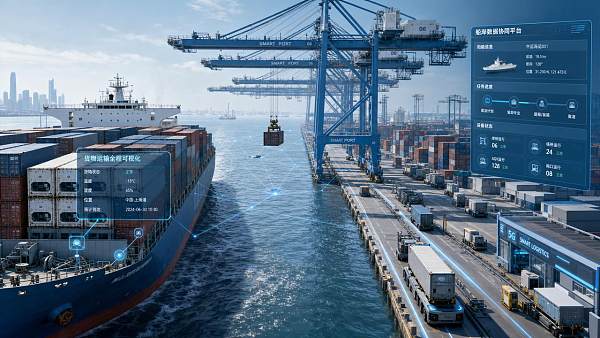
For operators managing complex cargo flows, smart maritime technology is becoming essential to achieve real-time cargo visibility, safer vessel coordination, and faster decision-making across global routes.
From AI-enabled navigation to ship-to-shore data integration, these systems reduce delays, improve asset utilization, and strengthen supply chain control across demanding ocean transport environments.
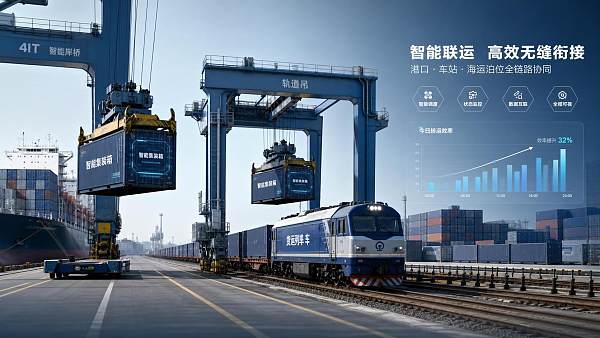
For GTOT, this shift matters because smart container ships, LNG carriers, and connected transport systems now influence wider land-sea logistics performance, not only vessel operations.
When cargo visibility becomes a business-critical scenario
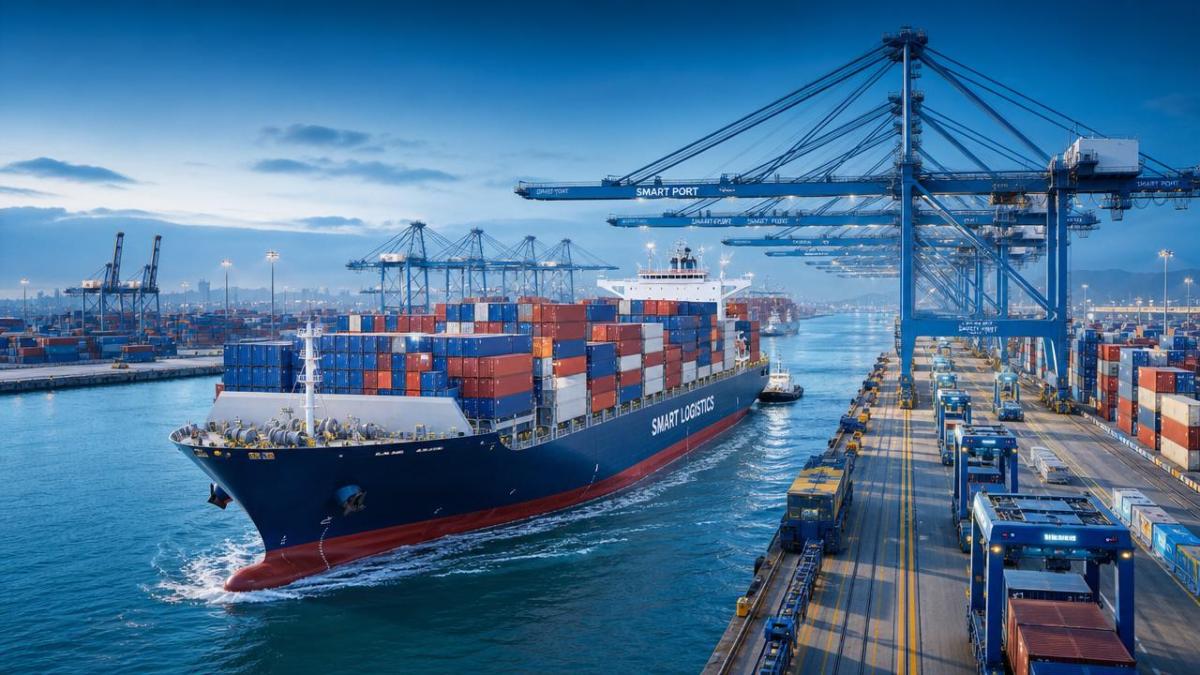
Cargo visibility is not equally urgent in every voyage scenario. The value of smart maritime technology depends on route complexity, cargo sensitivity, and coordination pressure.
On stable regional lanes, periodic updates may be acceptable. On intercontinental routes, limited visibility can trigger detention, missed berthing windows, and avoidable supply chain disruption.
This is why smart maritime technology should be judged by operational context. The right system aligns data depth with navigation risk, vessel schedule volatility, and port turnaround demands.
Key signals that visibility needs are rising
- Frequent schedule changes across multiple ports
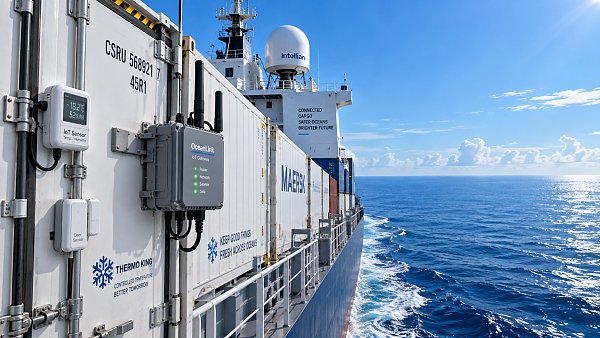
- Cargo requiring temperature, security, or condition tracking
- High dependence on transshipment timing
- Poor synchronization between ship and terminal systems
- Repeated blind spots between departure and discharge milestones
Scenario 1: Long-haul container shipping with many handoff points
The first major scenario involves long-haul container services crossing congested lanes, transshipment hubs, and weather-sensitive oceans. Here, cargo visibility directly affects planning confidence.
Smart maritime technology improves this scenario through voyage monitoring, ETA prediction, route optimization, and automated event reporting from ship to shore platforms.
The core judgment point is not whether tracking exists, but whether visibility updates are timely enough to support operational decisions before disruption escalates.
What matters most in this scenario
- Dynamic ETA accuracy under port congestion
- Container milestone updates across transfers
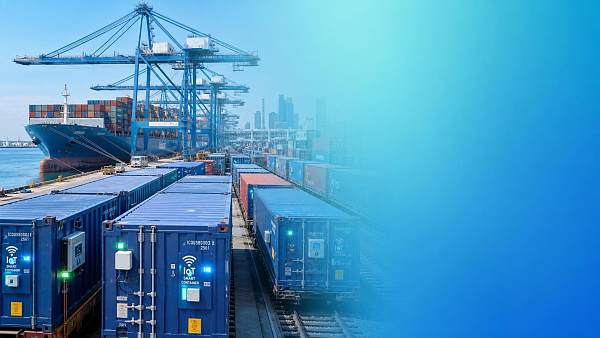
- Integration with terminal, customs, and inland systems
- Alerts for route deviation and cargo delay risk
Scenario 2: LNG and sensitive cargo movements needing condition control
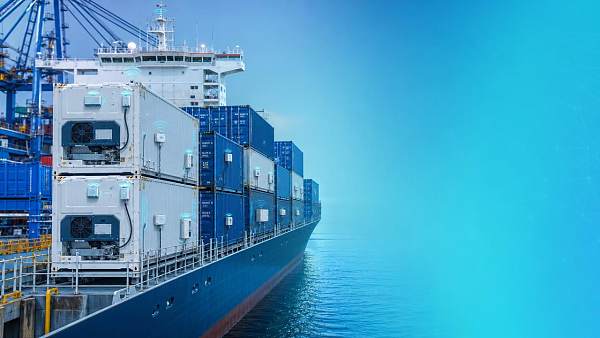
A second scenario involves LNG carriers and sensitive marine cargoes where visibility must include condition data, not only location data.
In these voyages, smart maritime technology links vessel telemetry, containment monitoring, propulsion status, and shore-side analytics to reduce risk exposure.
The key judgment point is whether the system can translate technical signals into operational warnings that support safe navigation and discharge readiness.
For GTOT’s ocean technology perspective, this scenario reflects how advanced vessel intelligence supports both safety assurance and supply chain continuity.
Visibility priorities for condition-sensitive operations
- Tank, temperature, and containment status visibility
- Engine and fuel performance updates
- Exception alerts tied to voyage milestones
- Secure transmission between vessel and control center
Scenario 3: Port-centered operations where delay costs rise quickly
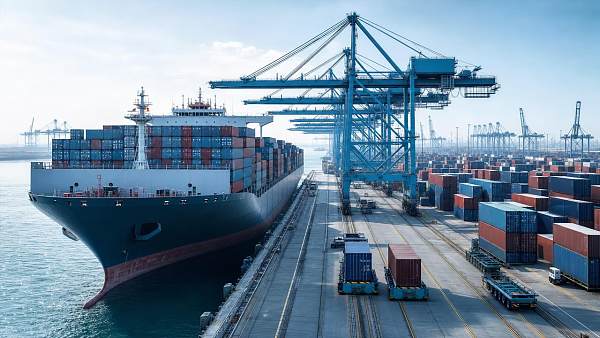
Another important scenario is port-centered coordination. Delays here often come from poor synchronization rather than ocean navigation alone.
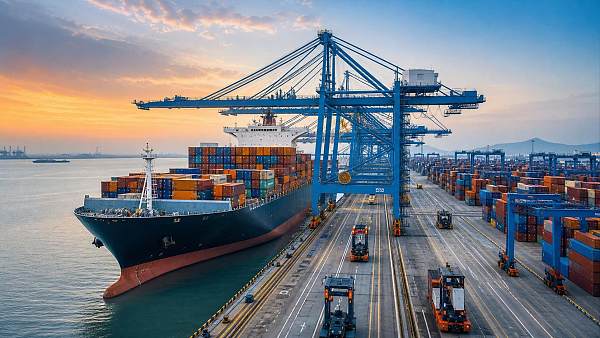
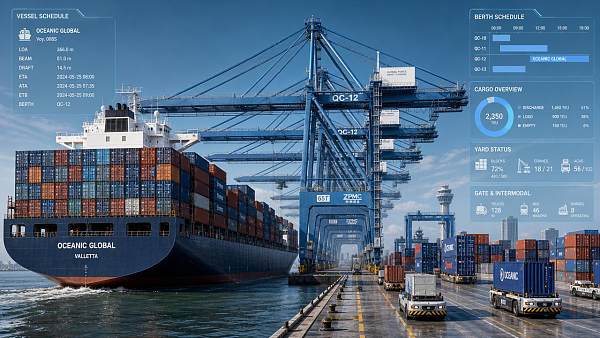
Smart maritime technology supports berth planning, crane allocation, arrival sequencing, and digital document flow through shared operational visibility.
The core judgment point is whether port and vessel systems exchange data fast enough to turn visibility into actual turnaround efficiency.
Without integration, tracking dashboards may look impressive while ships still wait, terminals still reschedule, and cargo still misses inland connections.
How scenario needs differ across maritime operations
Not every deployment of smart maritime technology should follow the same logic. Scenario differences affect data needs, alert rules, and integration depth.
Practical selection advice for better cargo visibility
Choosing smart maritime technology works best when systems are matched to operational bottlenecks, not purchased only for digital appearance.
Recommended evaluation points
- Define the blind spots first, such as ETA uncertainty, terminal disconnects, or cargo condition gaps.
- Check whether data comes in real time or only after manual confirmation.
- Assess integration with vessel systems, terminal platforms, and inland logistics tools.
- Prioritize actionable alerts over raw data volume.
- Verify cybersecurity controls for ship-shore communication.
- Confirm that dashboards support operational decisions, not only reporting.
In advanced fleets, smart maritime technology often performs best when connected with AI route analysis, equipment intelligence, and predictive maintenance workflows.
That broader view fits GTOT’s focus on linking maritime intelligence with transport system efficiency across global supply chain arteries.
Common misjudgments that reduce technology value
Several mistakes limit the impact of smart maritime technology, even when hardware and software capabilities appear strong on paper.
- Treating AIS-based tracking as complete cargo visibility
- Ignoring port process integration during system design
- Collecting data without alert logic or workflow ownership
- Underestimating cyber risk in connected ship operations
- Applying one visibility model to every vessel and route
Another common oversight is failing to connect vessel intelligence with commercial timing. Visibility matters most when it changes planning before costs appear.
Next steps to apply smart maritime technology effectively
A practical rollout should begin with one or two high-impact routes, one port interface, and a defined cargo visibility problem.
Measure results through ETA accuracy, berth coordination time, exception response speed, and cargo event transparency across each voyage milestone.
As performance improves, expand the smart maritime technology framework to sensitive cargoes, smart container ships, and cross-network land-sea coordination.
In a market shaped by tighter schedules and rising operational complexity, better cargo visibility is no longer optional. Smart maritime technology is becoming a practical foundation for resilient global transport.
Recommended News
 Sep 19, 2026What vessel connectivity equipment is needed for reliable cargo monitoring?Vessel connectivity equipment for reliable cargo monitoring: explore satellite links, IoT gateways, sensors, edge storage, and cybersecurity for smarter maritime operations.
 Aug 16, 2026How digital land-sea interconnection improves cargo transfer efficiencyDigital land-sea interconnection helps cargo move faster by syncing rail, port, and vessel operations in real time, reducing delays and boosting transfer efficiency.
 Jun 26, 2026Maritime Logistics Systems: How to Cut Delays in Port OperationsMaritime logistics systems help ports cut delays with real-time visibility, smarter berth planning, and faster coordination. Discover practical ways to reduce bottlenecks and improve port operations.
 Jun 24, 2026Perceptive Interconnection in Cargo Monitoring: What Improves Response Speed?Perceptive interconnection helps cargo monitoring respond faster by linking sensor data, context, and action across ship, port, and inland operations. See what truly improves speed.
 Jun 06, 2026Smart Container Ship Logistics: What Improves Cargo Visibility FastMaritime logistics for smart container ships improves cargo visibility fast with better sensors, cleaner event data, and stronger ship-to-shore integration. Discover what drives faster, smarter decisions.
![]() Jun 04, 2026Smart Maritime Logistics: Where Cargo Monitoring Adds ValueSmart maritime logistics turns cargo monitoring into real business value—improving visibility, reducing risk, supporting compliance, and strengthening cost control across global supply chains.
Jun 04, 2026Smart Maritime Logistics: Where Cargo Monitoring Adds ValueSmart maritime logistics turns cargo monitoring into real business value—improving visibility, reducing risk, supporting compliance, and strengthening cost control across global supply chains. May 28, 2026Maritime Logistics for Smart Container Ships: 5 Cargo Monitoring Gaps to Fix EarlyMaritime logistics for smart container ships: discover 5 early cargo monitoring gaps that can trigger claims, compliance failures, and delays—and learn what to fix first.
 May 26, 2026How Maritime Logistics Intelligence Platforms Reduce Cargo Visibility GapsMaritime logistics intelligence platform insights reveal how to close cargo visibility gaps, improve ETA accuracy, reduce delays, and help operators act faster across ocean supply chains.
![]() May 23, 2026Perceptive Interconnection in Cargo MonitoringPerceptive interconnection transforms cargo monitoring with real-time visibility, faster alerts, and smarter control across rail and ocean networks—improving safety, reducing risk, and boosting efficiency.
May 23, 2026Perceptive Interconnection in Cargo MonitoringPerceptive interconnection transforms cargo monitoring with real-time visibility, faster alerts, and smarter control across rail and ocean networks—improving safety, reducing risk, and boosting efficiency. May 20, 2026Smart Container Ships: Maritime Logistics Gaps That Still Delay TurnaroundMaritime logistics for smart container ships still faces berth, data, and terminal gaps that delay turnaround. Discover practical fixes to improve port performance and supply chain resilience.
 May 19, 2026What a Maritime Logistics Intelligence Platform Should Track FirstA maritime logistics intelligence platform should track vessel position, port congestion, ETA accuracy, container flow, and exception alerts first to cut delays and improve operational control.
 May 18, 2026Smart Maritime Technology for Better Cargo VisibilitySmart maritime technology improves cargo visibility with real-time tracking, safer vessel coordination, and faster decisions—helping operators reduce delays and strengthen supply chain control.