



Search News
Industry Portal
Popular Tags
Maritime Logistics Systems: How to Cut Delays in Port Operations
Author
Time
Click Count
Maritime Logistics Systems: How to Cut Delays in Port Operations
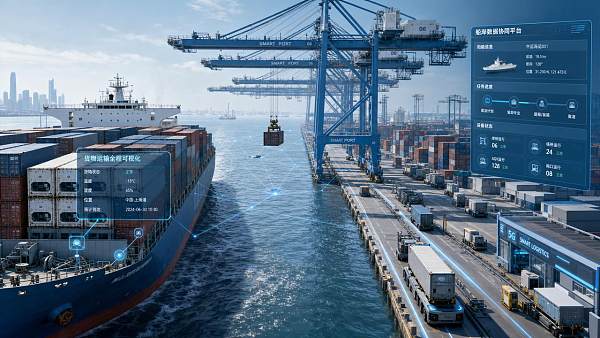
For port operators under constant pressure to move cargo faster, maritime logistics systems have become essential to cutting delays, improving berth coordination, and reducing costly bottlenecks. This article explores how smarter data visibility, vessel-port integration, and real-time operational control can help streamline port workflows while strengthening reliability across the wider supply chain.
Why port delays keep happening
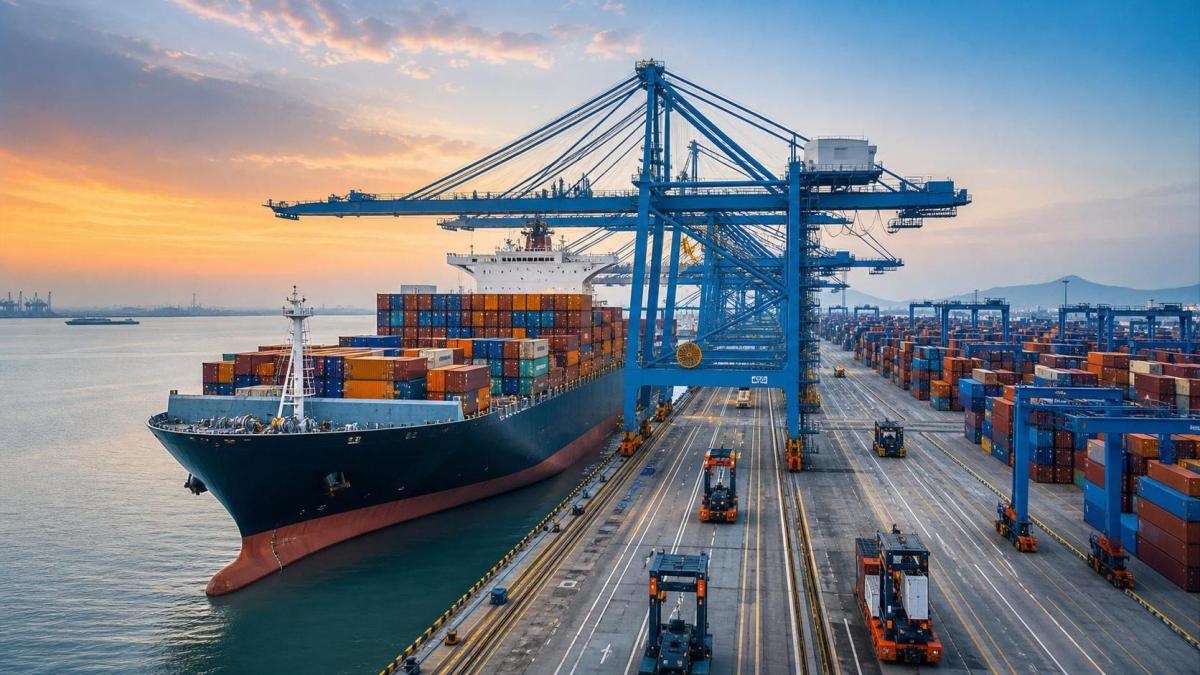
Delays at ports rarely come from one big failure. More often, they come from small gaps that add up. A vessel arrives early, but the berth is not ready. A truck queue builds because gate data is incomplete. Yard space gets tight because container moves were not forecast well enough.
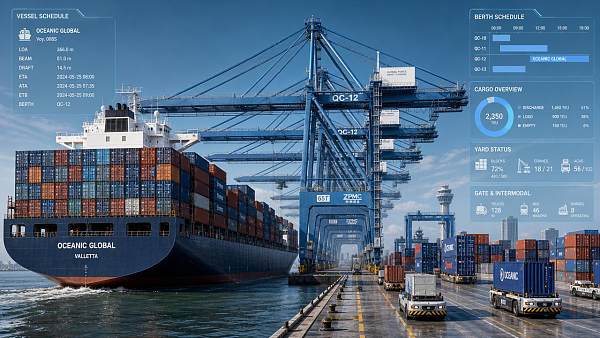
That is where maritime logistics systems matter. They connect vessel schedules, terminal equipment, labor planning, customs milestones, and cargo visibility in one operational view. When teams can see the same live data, decisions get faster and less reactive.
From recent industry changes, the biggest pressure points are clear: more schedule volatility, tighter turnaround expectations, and less room for manual coordination. Ports that still rely on scattered spreadsheets usually lose time in handoffs, especially when arrivals shift by hours instead of days.
What maritime logistics systems should do
A useful maritime logistics system is not just a tracking dashboard. It should support daily action. That means combining planning, execution, and exception handling in one workflow.
- Track vessel ETA changes and berth availability in real time.
- Link yard capacity, crane plans, and labor shifts to expected arrivals.
- Expose container status, gate flows, and dwell-time risks early.
- Send alerts when a delay starts to affect downstream moves.
These capabilities help teams move from “finding problems late” to “fixing problems early.” In practice, that shift alone can reduce idle time, improve berth utilization, and keep port operations closer to plan.
For GTOT-style intelligence environments, this also matches a broader pattern: high-value transport systems perform best when control logic, equipment visibility, and scheduling intelligence are stitched together rather than isolated.
How to reduce delays at the operational level
The fastest gains usually come from a few practical changes. They are not flashy, but they work.
- Use live berth planning to match vessel arrival windows with actual terminal capacity.
- Set shared ETA rules so carriers, terminals, and inland partners work from one schedule.
- Automate exception alerts for crane downtime, weather shifts, or customs holds.
- Prioritize high-impact containers first, especially transshipment or time-sensitive cargo.
These steps sound simple, but they depend on clean data and disciplined execution. If the system receives weak inputs, the plan becomes unreliable. That is why ports should also standardize event codes, timestamp rules, and ownership for each operational step.
A good rule is to assign one decision owner per delay type. Berth issues, yard congestion, gate overflow, and equipment faults should each have a clear response path. This keeps the team from debating responsibility while the clock keeps running.
Where technology creates the most value
Ports do not need more data for its own sake. They need better timing. Maritime logistics systems create value when they improve three areas: visibility, coordination, and control.
Visibility means knowing what is arriving, what is stuck, and what will become urgent next. Coordination means the terminal, shipping line, trucker, and customs team can act on the same update. Control means supervisors can adjust resources before a delay spreads.
AI-based route adjustment, predictive ETA modeling, and digital twin planning are becoming more common, but the practical benefit is still straightforward. They reduce guesswork. They help operators compare the current state with the plan and close the gap faster.
For mixed cargo environments, the strongest systems also support rule-based prioritization. That helps when a port must balance bulk, container, and energy cargo without sacrificing service levels.
How to build a delay-reduction workflow
A workable rollout does not need to be complex. Start with the routes and vessels that create the most congestion, then expand once the process is stable.
This approach keeps maritime logistics systems tied to operations instead of IT theory. It also helps teams measure what changed, which is critical when management asks whether the investment actually reduced delay time.
Risks to watch before scaling
A system rollout can fail if it ignores the human side of operations. If frontline staff do not trust the data, they will fall back to familiar manual methods. If the interface is slow, the system may add friction instead of removing it.
Another common risk is over-automation. Ports still need experienced operators who can spot edge cases, especially during weather disruption, equipment failure, or customs exceptions. The best maritime logistics systems support judgment; they do not replace it.
That is why training, governance, and performance review should be part of the deployment plan. When people understand why alerts matter and how decisions are made, adoption becomes much smoother.
Final takeaways for port teams
Cutting delays in port operations is less about working harder and more about working with better timing. Maritime logistics systems give operators that timing by connecting live events, planning logic, and response actions.
If the goal is faster turnaround, fewer bottlenecks, and more reliable service, start with the highest-friction routes and build from there. Focus on shared visibility, clear ownership, and simple automation that helps people act sooner.
In practice, that is the real advantage: fewer surprises, cleaner coordination, and a port operation that can keep moving even when conditions change.
Recommended News
 Sep 19, 2026What vessel connectivity equipment is needed for reliable cargo monitoring?Vessel connectivity equipment for reliable cargo monitoring: explore satellite links, IoT gateways, sensors, edge storage, and cybersecurity for smarter maritime operations.
 Aug 16, 2026How digital land-sea interconnection improves cargo transfer efficiencyDigital land-sea interconnection helps cargo move faster by syncing rail, port, and vessel operations in real time, reducing delays and boosting transfer efficiency.
 Jun 26, 2026Maritime Logistics Systems: How to Cut Delays in Port OperationsMaritime logistics systems help ports cut delays with real-time visibility, smarter berth planning, and faster coordination. Discover practical ways to reduce bottlenecks and improve port operations.
 Jun 24, 2026Perceptive Interconnection in Cargo Monitoring: What Improves Response Speed?Perceptive interconnection helps cargo monitoring respond faster by linking sensor data, context, and action across ship, port, and inland operations. See what truly improves speed.
 Jun 06, 2026Smart Container Ship Logistics: What Improves Cargo Visibility FastMaritime logistics for smart container ships improves cargo visibility fast with better sensors, cleaner event data, and stronger ship-to-shore integration. Discover what drives faster, smarter decisions.
![]() Jun 04, 2026Smart Maritime Logistics: Where Cargo Monitoring Adds ValueSmart maritime logistics turns cargo monitoring into real business value—improving visibility, reducing risk, supporting compliance, and strengthening cost control across global supply chains.
Jun 04, 2026Smart Maritime Logistics: Where Cargo Monitoring Adds ValueSmart maritime logistics turns cargo monitoring into real business value—improving visibility, reducing risk, supporting compliance, and strengthening cost control across global supply chains. May 28, 2026Maritime Logistics for Smart Container Ships: 5 Cargo Monitoring Gaps to Fix EarlyMaritime logistics for smart container ships: discover 5 early cargo monitoring gaps that can trigger claims, compliance failures, and delays—and learn what to fix first.
 May 26, 2026How Maritime Logistics Intelligence Platforms Reduce Cargo Visibility GapsMaritime logistics intelligence platform insights reveal how to close cargo visibility gaps, improve ETA accuracy, reduce delays, and help operators act faster across ocean supply chains.
![]() May 23, 2026Perceptive Interconnection in Cargo MonitoringPerceptive interconnection transforms cargo monitoring with real-time visibility, faster alerts, and smarter control across rail and ocean networks—improving safety, reducing risk, and boosting efficiency.
May 23, 2026Perceptive Interconnection in Cargo MonitoringPerceptive interconnection transforms cargo monitoring with real-time visibility, faster alerts, and smarter control across rail and ocean networks—improving safety, reducing risk, and boosting efficiency. May 20, 2026Smart Container Ships: Maritime Logistics Gaps That Still Delay TurnaroundMaritime logistics for smart container ships still faces berth, data, and terminal gaps that delay turnaround. Discover practical fixes to improve port performance and supply chain resilience.
 May 19, 2026What a Maritime Logistics Intelligence Platform Should Track FirstA maritime logistics intelligence platform should track vessel position, port congestion, ETA accuracy, container flow, and exception alerts first to cut delays and improve operational control.
 May 18, 2026Smart Maritime Technology for Better Cargo VisibilitySmart maritime technology improves cargo visibility with real-time tracking, safer vessel coordination, and faster decisions—helping operators reduce delays and strengthen supply chain control.