



Search News
Industry Portal
Popular Tags
Smart Container Ships: Maritime Logistics Gaps That Still Delay Turnaround
Author
Time
Click Count
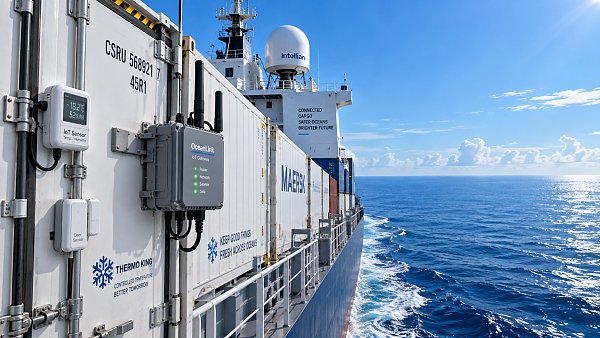
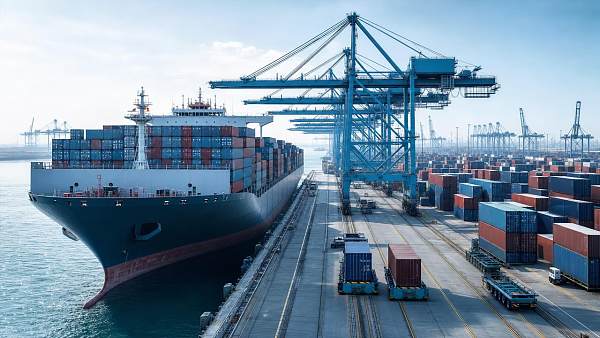
Smart container ships are designed to shorten port stays through connected sensors, route optimization, and real-time cargo visibility. Yet maritime logistics for smart container ships still faces delays where data, terminal planning, and vessel execution do not align.
This matters far beyond one port call. A missed berth window can ripple through inland transport, customs release, feeder schedules, bunker planning, and customer delivery commitments across the global supply chain.
For an intelligence platform like GTOT, the issue is not whether ships are becoming smarter. The real question is where operational gaps still block reliable turnaround, and which improvements create measurable gains.
When smart ships enter fragmented ports, maritime logistics for smart container ships slows down
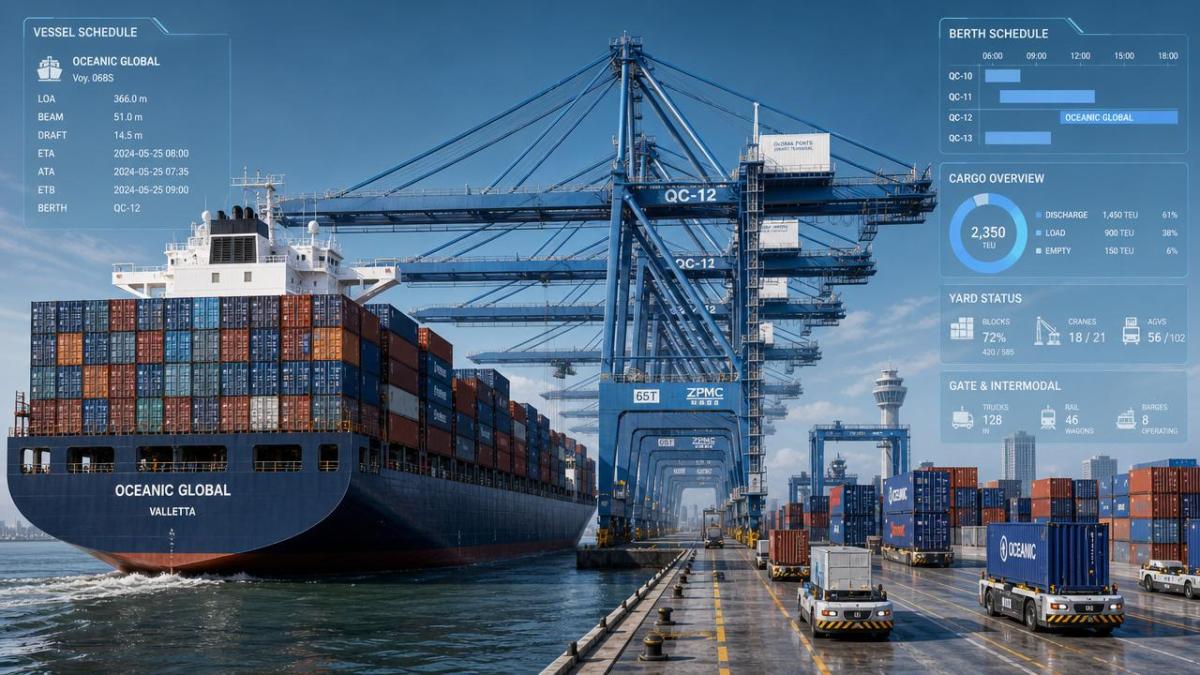
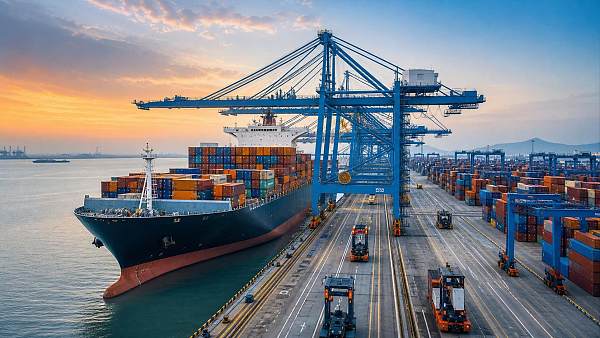
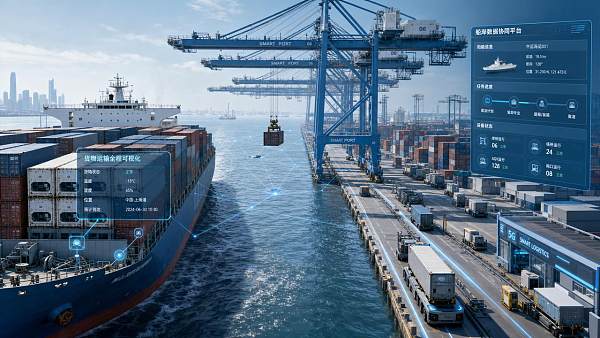
The first critical scenario appears when a digitally capable vessel arrives at a port with disconnected operating systems. Navigation data may be advanced, but berth allocation, crane sequencing, and gate scheduling often remain siloed.
In this setting, maritime logistics for smart container ships becomes only partially intelligent. The vessel may predict arrival accurately, yet the terminal cannot always convert that prediction into synchronized labor, equipment, and yard preparation.
Core judgment points in this port fragmentation scenario
- Berth plans change faster than shared updates reach the vessel.
- Crane assignments are optimized locally, not network-wide.
- Container status data lacks one trusted source.
- Truck, rail, and customs timings are not linked to vessel milestones.
The result is familiar: waiting at anchorage, rehandling in the yard, idle cranes, and rushed stowage decisions. Smart hardware onboard cannot fully compensate for weak coordination ashore.
When berth visibility is weak, turnaround planning becomes reactive instead of predictive
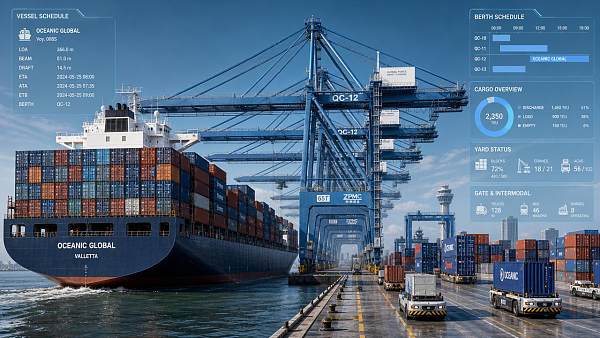
A second scenario involves poor berth visibility. Many ports still provide only limited certainty on final berthing time, adjacent vessel movements, tidal constraints, or expected crane availability.
For maritime logistics for smart container ships, this uncertainty creates planning friction across every layer. Engine speed, fuel use, crew timing, tug booking, lashing teams, and landside dispatch all depend on reliable berth forecasts.
Why this scenario causes hidden losses
Without accurate berth visibility, vessels often speed up only to wait offshore. That wastes fuel, increases emissions, and reduces the practical value of AI route optimization and just-in-time arrival tools.
It also weakens schedule integrity. One uncertain call can affect downstream transshipment hubs, rail departures, warehouse labor plans, and empty container repositioning across several regions.
When cargo data quality is poor, maritime logistics for smart container ships loses execution accuracy
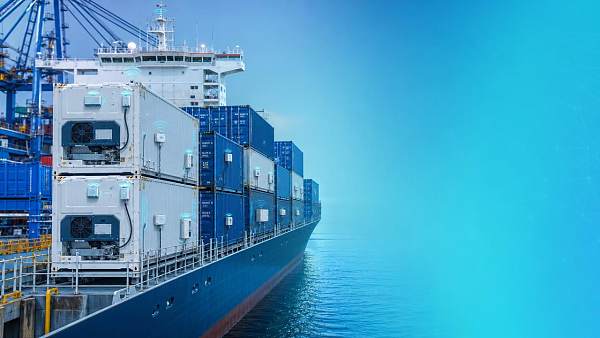
A third scenario appears inside the cargo information chain. Smart vessels rely on precise container data for stowage, dangerous goods handling, reefer monitoring, and discharge sequencing.
If cargo declarations arrive late, weight records conflict, or special handling flags are incomplete, maritime logistics for smart container ships becomes vulnerable to avoidable disruption during loading and unloading.
Typical cargo data gaps that delay operations
- Late verified gross mass updates.
- Inconsistent dangerous goods coding.
- Missing reefer temperature or power requirements.
- Container availability mismatches between yard and manifest.
- Poor linkage between customs release and terminal release status.
These are not minor clerical issues. They trigger restow moves, crane interruptions, safety checks, and yard reshuffling. Each interruption stretches vessel turnaround and erodes confidence in digital planning systems.
Different operating scenarios require different logistics responses
Not every delay pattern has the same root cause. Maritime logistics for smart container ships must be assessed by operating scenario, because the data bottleneck in a mega hub differs from one at a regional gateway.
This scenario-based view is essential. It prevents overinvestment in onboard digital tools while underinvesting in the terminal and corridor processes that actually determine turnaround performance.
Practical adaptation steps that improve ship-to-shore coordination
The most effective improvements are not always dramatic technology upgrades. In many cases, maritime logistics for smart container ships improves through disciplined data governance and shared operational triggers.
Recommended actions with immediate operational value
- Create one milestone dictionary for ETA, all fast, berth confirmed, crane start, cargo complete, and departure readiness.
- Link berth planning updates directly to vessel speed guidance for practical just-in-time arrival.
- Standardize cargo data validation before cutoff, especially for dangerous goods, reefers, and overweight containers.
- Use exception dashboards instead of broad data screens, so teams act on the few issues that actually threaten turnaround.
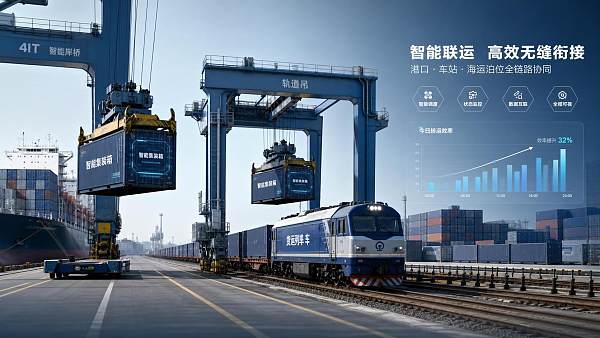
- Connect terminal, customs, truck, and rail milestones to vessel operations in one operational control layer.
- Review each delayed call through root-cause categories, not generic delay labels.
These steps fit GTOT’s broader view of transport intelligence. Like railway signaling or traction control, port performance improves when every node shares trusted timing logic and safety-critical data standards.
Common misjudgments that keep smart vessel programs from delivering full value
One common mistake is assuming smart ships alone can solve port inefficiency. They cannot. The vessel is only one element in a chain that includes terminal systems, regulators, inland carriers, and service providers.
Another misjudgment is focusing on average port stay rather than delay variability. A port may show acceptable averages while still causing large schedule shocks on peak days or during berth conflicts.
A third blind spot is treating data integration as an IT project rather than an operational discipline. If ownership, update timing, and exception handling are unclear, integrated platforms add visibility without improving decisions.
- Do not measure only ETA accuracy. Measure berth certainty and crane start reliability too.
- Do not digitize bad processes unchanged.
- Do not ignore yard and gate constraints when discussing vessel turnaround.
- Do not separate decarbonization goals from waiting-time reduction.
What to do next if maritime logistics for smart container ships still feels inconsistent
Start with one route, one port cluster, and one shared event model. Map where predicted arrival, berth readiness, cargo status, and inland release first become inconsistent. That baseline exposes the real turnaround blockers.
Then prioritize fixes by operational impact: berth visibility first, cargo data quality second, and cross-mode coordination third. This sequence usually produces faster gains than adding more isolated digital features onboard.
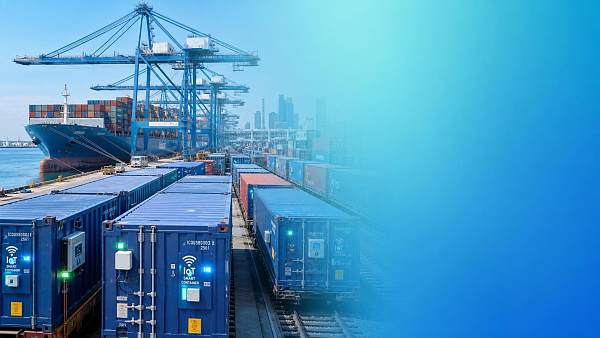
For organizations tracking advanced vessel and corridor intelligence, maritime logistics for smart container ships should be viewed as a land-sea coordination problem, not only a shipping technology story. Reliable turnaround comes from stitched intelligence across the whole transport chain.
That is where GTOT’s perspective becomes practical: combining vessel digitization, infrastructure logic, and operational discipline to turn smart ship capability into consistent port performance and stronger supply chain resilience.
Recommended News
 Sep 19, 2026What vessel connectivity equipment is needed for reliable cargo monitoring?Vessel connectivity equipment for reliable cargo monitoring: explore satellite links, IoT gateways, sensors, edge storage, and cybersecurity for smarter maritime operations.
 Aug 16, 2026How digital land-sea interconnection improves cargo transfer efficiencyDigital land-sea interconnection helps cargo move faster by syncing rail, port, and vessel operations in real time, reducing delays and boosting transfer efficiency.
 Jun 26, 2026Maritime Logistics Systems: How to Cut Delays in Port OperationsMaritime logistics systems help ports cut delays with real-time visibility, smarter berth planning, and faster coordination. Discover practical ways to reduce bottlenecks and improve port operations.
 Jun 24, 2026Perceptive Interconnection in Cargo Monitoring: What Improves Response Speed?Perceptive interconnection helps cargo monitoring respond faster by linking sensor data, context, and action across ship, port, and inland operations. See what truly improves speed.
 Jun 06, 2026Smart Container Ship Logistics: What Improves Cargo Visibility FastMaritime logistics for smart container ships improves cargo visibility fast with better sensors, cleaner event data, and stronger ship-to-shore integration. Discover what drives faster, smarter decisions.
![]() Jun 04, 2026Smart Maritime Logistics: Where Cargo Monitoring Adds ValueSmart maritime logistics turns cargo monitoring into real business value—improving visibility, reducing risk, supporting compliance, and strengthening cost control across global supply chains.
Jun 04, 2026Smart Maritime Logistics: Where Cargo Monitoring Adds ValueSmart maritime logistics turns cargo monitoring into real business value—improving visibility, reducing risk, supporting compliance, and strengthening cost control across global supply chains. May 28, 2026Maritime Logistics for Smart Container Ships: 5 Cargo Monitoring Gaps to Fix EarlyMaritime logistics for smart container ships: discover 5 early cargo monitoring gaps that can trigger claims, compliance failures, and delays—and learn what to fix first.
 May 26, 2026How Maritime Logistics Intelligence Platforms Reduce Cargo Visibility GapsMaritime logistics intelligence platform insights reveal how to close cargo visibility gaps, improve ETA accuracy, reduce delays, and help operators act faster across ocean supply chains.
![]() May 23, 2026Perceptive Interconnection in Cargo MonitoringPerceptive interconnection transforms cargo monitoring with real-time visibility, faster alerts, and smarter control across rail and ocean networks—improving safety, reducing risk, and boosting efficiency.
May 23, 2026Perceptive Interconnection in Cargo MonitoringPerceptive interconnection transforms cargo monitoring with real-time visibility, faster alerts, and smarter control across rail and ocean networks—improving safety, reducing risk, and boosting efficiency. May 20, 2026Smart Container Ships: Maritime Logistics Gaps That Still Delay TurnaroundMaritime logistics for smart container ships still faces berth, data, and terminal gaps that delay turnaround. Discover practical fixes to improve port performance and supply chain resilience.
 May 19, 2026What a Maritime Logistics Intelligence Platform Should Track FirstA maritime logistics intelligence platform should track vessel position, port congestion, ETA accuracy, container flow, and exception alerts first to cut delays and improve operational control.
 May 18, 2026Smart Maritime Technology for Better Cargo VisibilitySmart maritime technology improves cargo visibility with real-time tracking, safer vessel coordination, and faster decisions—helping operators reduce delays and strengthen supply chain control.