



Search News
Industry Portal
Popular Tags
Smart Maritime Logistics: Where Cargo Monitoring Adds Value

Author
Time
Click Count
In today’s fast-moving shipping environment, smart maritime logistics is no longer a competitive extra—it is a decision-critical capability. For business evaluators, cargo monitoring adds measurable value by improving visibility, reducing risk, supporting compliance, and strengthening cost control across global supply chains. Understanding where this value is created helps organizations assess smarter vessel operations and make more confident maritime investment decisions.
Smart Maritime Logistics Is Shifting from Tracking to Decision Intelligence
The meaning of smart maritime logistics has expanded quickly. It no longer refers only to ship location updates or container check-ins.
Today, value comes from turning cargo data into operational judgment. Monitoring systems now connect vessel status, route conditions, cargo integrity, and port timing.
This change matters across the broader transport economy. It affects ocean-going vessels, inland interfaces, rail links, and terminal planning at once.
For intelligence-led platforms such as GTOT, this shift aligns with a wider move toward digital control across land and sea equipment.
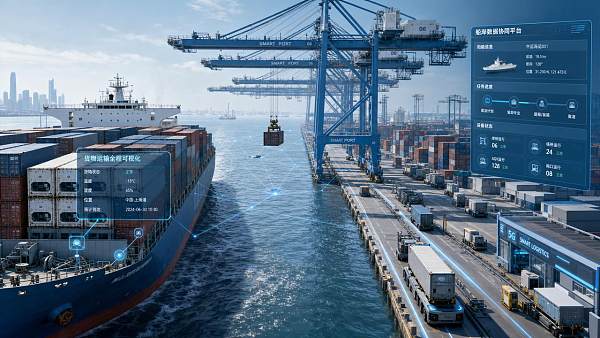
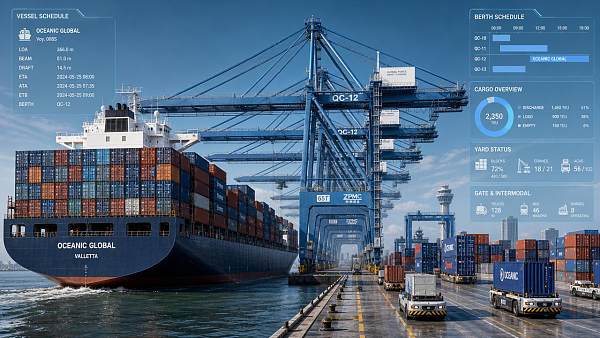
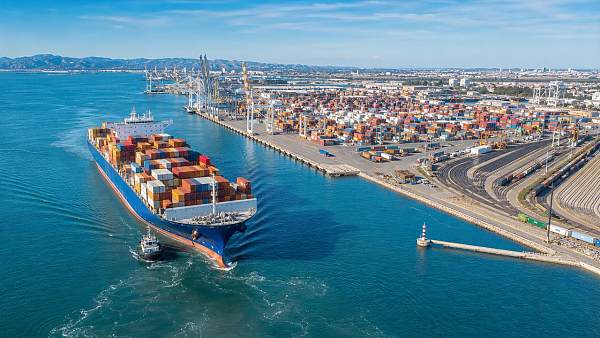
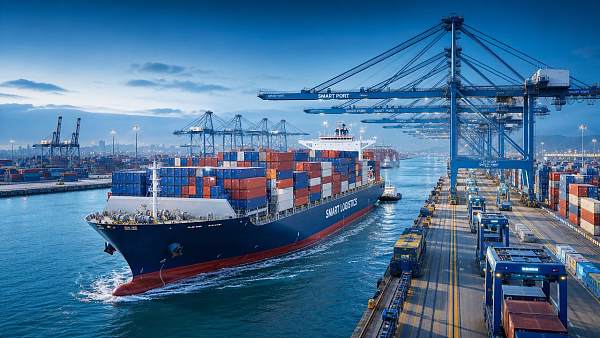
Smart container ships already demonstrate this direction. Ship-to-shore integration, AI route planning, and perceptive systems create stronger data continuity.
As a result, cargo monitoring is becoming a practical value layer inside smart maritime logistics, not a separate add-on tool.
Current Signals Show Stronger Demand for Cargo Visibility
Several market signals explain why smart maritime logistics is moving higher on strategic agendas.
Shipment volatility remains high. Route disruptions, port congestion, fuel pressure, and schedule compression all increase the cost of poor visibility.
At the same time, cargoes are becoming more sensitive. High-value equipment, temperature-critical goods, and regulated materials require continuous condition awareness.
Digital compliance expectations are also rising. Proof of chain integrity, status records, and event traceability are increasingly expected in global trade operations.
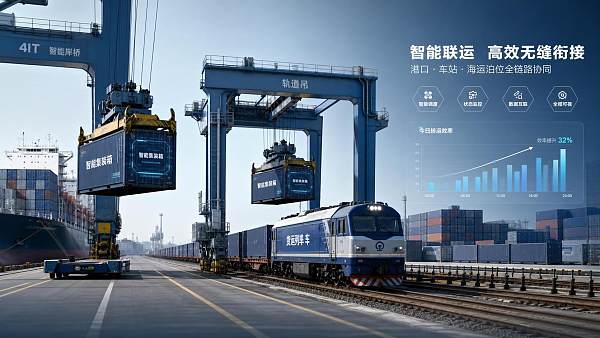
Another signal comes from intermodal integration. Ocean freight decisions now affect rail schedules, storage windows, and final delivery timing much earlier.
These signals confirm a simple reality. Smart maritime logistics creates more value when cargo monitoring supports action before disruption escalates.
Why the Trend Is Strengthening Across Global Supply Chains
The drivers behind smart maritime logistics are both technical and commercial. Cargo monitoring sits at the intersection of both.
Together, these drivers make smart maritime logistics a core infrastructure capability rather than a digital experiment.
Where Cargo Monitoring Adds the Most Measurable Value
The business case for smart maritime logistics becomes clearer when value is mapped to specific operational outcomes.
1. Visibility That Improves Timing
Real-time cargo status reduces uncertainty between departure, transfer, arrival, and clearance events. Better timing means fewer avoidable delays downstream.
This is especially important when vessel schedules connect with rail corridors, inland depots, or just-in-time industrial receiving windows.
2. Risk Reduction That Protects Asset Value
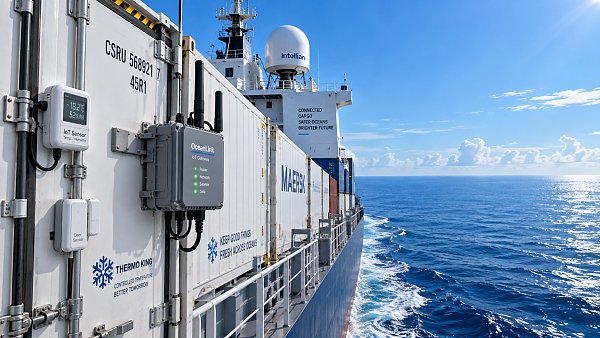
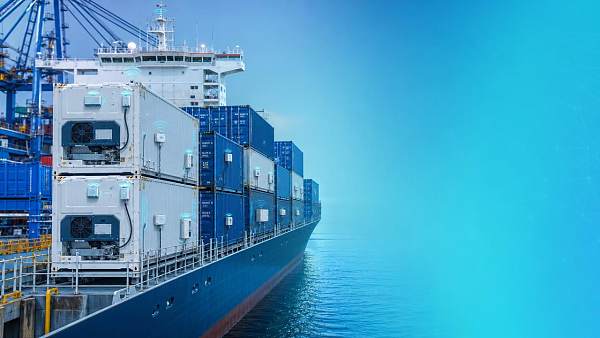
Cargo monitoring identifies temperature deviation, unauthorized opening, impact events, and route anomalies earlier than manual reporting can.
In smart maritime logistics, early alerts allow route adjustment, priority inspection, or targeted intervention before losses widen.
3. Compliance Support That Strengthens Trust
Regulated cargoes require defensible records. Continuous monitoring helps produce auditable evidence for condition, custody, and transport events.
That documentation supports smoother verification, fewer disputes, and stronger confidence in cross-border smart maritime logistics operations.
4. Cost Control That Goes Beyond Freight Rates
Value does not only come from lower transport prices. It also comes from preventing spoilage, reducing detention, limiting demurrage, and improving asset utilization.
When smart maritime logistics links cargo alerts with route and port decisions, hidden costs become more manageable.
The Impact Reaches Beyond the Ship Itself
Cargo monitoring in smart maritime logistics creates effects across several business layers, not just on the vessel.
- Port operations gain better arrival preparation and yard planning.
- Rail and inland links receive more accurate handover timing.
- Inventory planning becomes less dependent on buffer stock.
- Claims handling improves through clearer event evidence.
- Insurance and financing decisions benefit from higher traceability.
This broader effect is why smart maritime logistics fits naturally within GTOT’s land-sea intelligence perspective.
Rail signalling, braking precision, traction stability, and vessel intelligence all rely on one shared principle: dependable operational data.
What Deserves Closer Attention During Evaluation
Not every monitoring approach creates equal value. Smart maritime logistics should be assessed through practical decision criteria.
- Data accuracy under vibration, moisture, and long-distance transmission conditions.
- Integration with vessel systems, terminal platforms, and inland transport interfaces.
- Alert design that supports action instead of creating noise.
- Event history quality for claims, audits, and compliance checks.
- Cyber resilience for connected cargo and fleet data environments.
- Scalability across mixed cargo types and different trade lanes.
A strong smart maritime logistics framework should connect monitoring output to actual workflow decisions.
If a system reports data but does not improve response timing, its strategic value remains limited.
A Practical Way to Judge the Next Stage of Adoption
The next step is not simply adding more sensors. It is improving how smart maritime logistics turns signal into coordinated action.
This approach helps separate headline technology from operationally useful smart maritime logistics capability.
The Strongest Next Move Is a Data-to-Decision Review
Organizations evaluating smart maritime logistics should start with a focused review of where cargo uncertainty creates cost, delay, or compliance exposure.
Then compare those pain points against current monitoring depth, integration quality, and response readiness across the transport chain.
For sectors linked to smart vessels, advanced rail interfaces, and strategic transport intelligence, this review reveals where digital value compounds fastest.
Smart maritime logistics adds the most value when cargo monitoring improves decisions, not just dashboards. That is where stronger resilience and better returns begin.
Recommended News
 Sep 19, 2026What vessel connectivity equipment is needed for reliable cargo monitoring?Vessel connectivity equipment for reliable cargo monitoring: explore satellite links, IoT gateways, sensors, edge storage, and cybersecurity for smarter maritime operations.
 Aug 16, 2026How digital land-sea interconnection improves cargo transfer efficiencyDigital land-sea interconnection helps cargo move faster by syncing rail, port, and vessel operations in real time, reducing delays and boosting transfer efficiency.
 Jun 26, 2026Maritime Logistics Systems: How to Cut Delays in Port OperationsMaritime logistics systems help ports cut delays with real-time visibility, smarter berth planning, and faster coordination. Discover practical ways to reduce bottlenecks and improve port operations.
 Jun 24, 2026Perceptive Interconnection in Cargo Monitoring: What Improves Response Speed?Perceptive interconnection helps cargo monitoring respond faster by linking sensor data, context, and action across ship, port, and inland operations. See what truly improves speed.
 Jun 06, 2026Smart Container Ship Logistics: What Improves Cargo Visibility FastMaritime logistics for smart container ships improves cargo visibility fast with better sensors, cleaner event data, and stronger ship-to-shore integration. Discover what drives faster, smarter decisions.
![]() Jun 04, 2026Smart Maritime Logistics: Where Cargo Monitoring Adds ValueSmart maritime logistics turns cargo monitoring into real business value—improving visibility, reducing risk, supporting compliance, and strengthening cost control across global supply chains.
Jun 04, 2026Smart Maritime Logistics: Where Cargo Monitoring Adds ValueSmart maritime logistics turns cargo monitoring into real business value—improving visibility, reducing risk, supporting compliance, and strengthening cost control across global supply chains. May 28, 2026Maritime Logistics for Smart Container Ships: 5 Cargo Monitoring Gaps to Fix EarlyMaritime logistics for smart container ships: discover 5 early cargo monitoring gaps that can trigger claims, compliance failures, and delays—and learn what to fix first.
 May 26, 2026How Maritime Logistics Intelligence Platforms Reduce Cargo Visibility GapsMaritime logistics intelligence platform insights reveal how to close cargo visibility gaps, improve ETA accuracy, reduce delays, and help operators act faster across ocean supply chains.
![]() May 23, 2026Perceptive Interconnection in Cargo MonitoringPerceptive interconnection transforms cargo monitoring with real-time visibility, faster alerts, and smarter control across rail and ocean networks—improving safety, reducing risk, and boosting efficiency.
May 23, 2026Perceptive Interconnection in Cargo MonitoringPerceptive interconnection transforms cargo monitoring with real-time visibility, faster alerts, and smarter control across rail and ocean networks—improving safety, reducing risk, and boosting efficiency. May 20, 2026Smart Container Ships: Maritime Logistics Gaps That Still Delay TurnaroundMaritime logistics for smart container ships still faces berth, data, and terminal gaps that delay turnaround. Discover practical fixes to improve port performance and supply chain resilience.
 May 19, 2026What a Maritime Logistics Intelligence Platform Should Track FirstA maritime logistics intelligence platform should track vessel position, port congestion, ETA accuracy, container flow, and exception alerts first to cut delays and improve operational control.
 May 18, 2026Smart Maritime Technology for Better Cargo VisibilitySmart maritime technology improves cargo visibility with real-time tracking, safer vessel coordination, and faster decisions—helping operators reduce delays and strengthen supply chain control.