



Search News
Industry Portal
Popular Tags
How Maritime Logistics Intelligence Platforms Reduce Cargo Visibility Gaps
Author
Time
Click Count
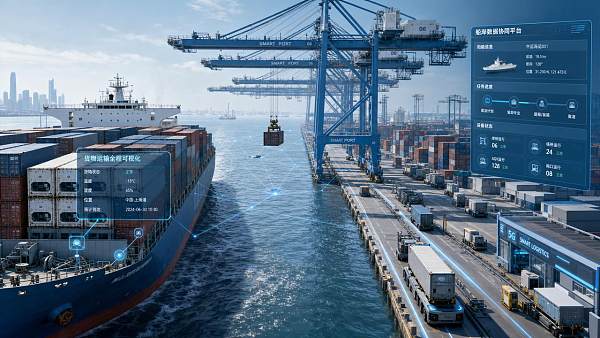
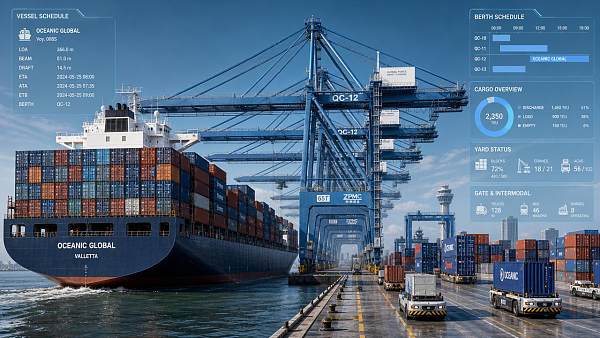
For operators managing complex ocean supply chains, a maritime logistics intelligence platform turns fragmented shipment data into clear, actionable visibility. By connecting vessel movements, port updates, container status, and exception alerts in one operational view, it helps reduce blind spots, improve coordination, and support faster decisions across every stage of cargo movement.
When users search for how a maritime logistics intelligence platform reduces cargo visibility gaps, they usually want a practical answer: where visibility is lost, how platforms close those gaps, and what this means for daily operations.
For operators, the issue is rarely a lack of data. The real problem is that cargo information sits across carrier portals, email threads, terminal systems, spreadsheets, and manual updates that do not align in time.
The result is operational uncertainty. Teams spend hours checking statuses, chasing exceptions, confirming ETAs, and updating customers, while cargo conditions keep changing faster than internal communication can keep pace.
The overall judgment is clear: a strong maritime logistics intelligence platform does not simply show more data. It creates an operational control layer that helps users detect delays earlier, coordinate responses faster, and reduce preventable disruption.
Why cargo visibility gaps happen in ocean logistics in the first place
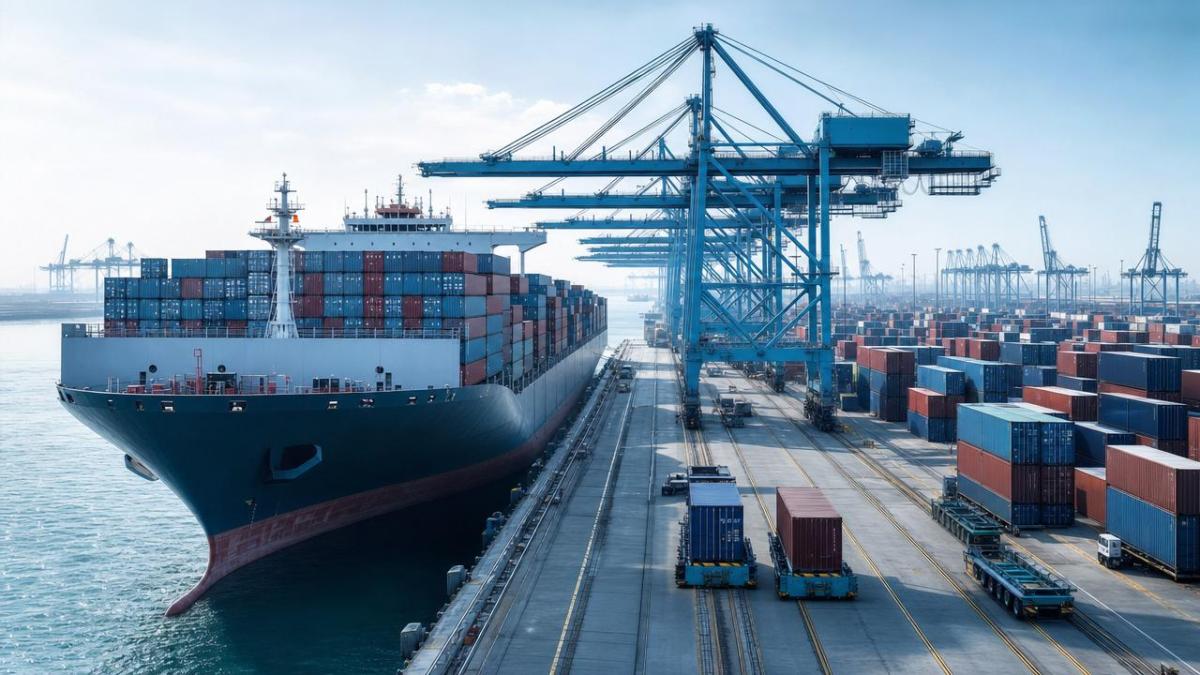
Visibility gaps appear when shipment milestones are incomplete, delayed, inconsistent, or disconnected from action. Operators may know that a vessel has sailed, but not whether a container missed the cutoff or transshipment window.
In many organizations, ocean logistics depends on multiple external parties. Carriers, freight forwarders, ports, inland transport providers, customs brokers, and consignees all produce useful information, but each reports through different systems.
That fragmentation creates blind spots between milestones rather than only at milestones. A container may appear “in transit,” while the real issue is berth congestion, rolled booking risk, documentation mismatch, or inland handoff delay.
Another common cause is timing mismatch. Vessel position data may refresh frequently, while terminal events, customs releases, and carrier schedule updates arrive later, leaving operators with a technically available but operationally incomplete picture.
Manual workflows make the problem worse. When teams rely on phone calls, emails, screenshots, and spreadsheet trackers, updates are not only slower, they also become harder to validate and share consistently across functions.
For users and operators, this means visibility gaps are not abstract system flaws. They directly affect planning, escalation, customer communication, demurrage control, inventory timing, and confidence in every promised delivery window.
What operators actually need from a maritime logistics intelligence platform
Most operators do not need another dashboard that looks impressive but adds steps. They need one working view that combines vessel movement, port conditions, container milestones, and exception signals into useful operational priorities.
A capable maritime logistics intelligence platform should answer a few basic questions quickly. Where is the cargo now? What is likely to happen next? What has changed? Which shipments need immediate attention?
That sounds simple, but it requires more than GPS-style tracking. Ocean cargo visibility depends on integrating schedule data, AIS vessel signals, terminal events, container status messages, weather disruptions, and route-level risk indicators.
Operators also need context, not just status. A delayed vessel matters differently depending on customer urgency, connection windows, inland appointments, reefer requirements, or the criticality of the cargo inside the container.
Good platforms turn raw movement data into a ranked exception list. Instead of checking all shipments equally, users can focus on containers at highest risk of rollover, missed transshipment, storage charges, or delivery failure.
This is where value becomes practical. The platform reduces time spent searching for updates and increases time spent solving issues before they affect service, cost, or downstream operations.
How these platforms reduce visibility gaps across the cargo journey
The first way they help is by consolidating fragmented inputs. Rather than forcing operators to monitor separate portals, the platform gathers multiple data sources into one consistent shipment-level timeline.
That unified timeline matters because cargo problems usually emerge between systems. A vessel delay alone is not enough; the system must connect that delay to container booking status, terminal handling, and planned inland execution.
Second, the platform improves ETA reliability. Static carrier schedules are often too optimistic during congestion, bad weather, or disrupted port rotations. Intelligence platforms recalculate expected arrival windows using dynamic movement and event signals.
More accurate ETAs reduce the most costly kind of blind spot: the false assumption that a shipment is still on plan. When operators know earlier that an arrival window is shifting, they can rebook, notify, or reprioritize.
Third, platforms reduce exception latency. In many operations, teams learn about delays only after customers ask questions or after a planned transfer fails. A smart alerting system pushes issues earlier into the workflow.
Fourth, they support milestone validation. If a container was supposed to discharge, gate out, or connect to a feeder leg, the system can flag when the expected event does not happen within an expected time window.
Finally, the best platforms support collaboration. Visibility improves not only because data is clearer, but because teams can work from the same operational truth across planning, transport, customer service, and procurement roles.
Where the biggest operational benefits show up for users
For operators, one major gain is faster exception handling. Instead of spending the morning collecting updates, they begin with prioritized risks and move directly into action, escalation, or customer communication.
Another benefit is better coordination around transshipment and port calls. Ocean movements often depend on narrow timing windows, and even small disruptions can cascade into missed connections and additional dwell time.
Improved visibility also helps with inland synchronization. If a vessel arrival changes, drayage bookings, warehouse labor planning, rail transfer timing, and delivery appointments may all need adjustment before costs begin stacking up.
Customer communication becomes more credible as well. Teams can give updates based on evidence and probable outcomes, rather than vague reassurances based on outdated carrier schedules or incomplete milestone reports.
For high-value, time-sensitive, or operationally critical cargo, the impact is even greater. Better visibility reduces the risk of hidden disruption affecting plant operations, project schedules, spare parts availability, or service commitments.
There is also a workload benefit. Skilled operators should not spend most of their day copying statuses between systems. A maritime logistics intelligence platform helps shift labor from repetitive tracking to informed decision-making.
What features matter most when evaluating a platform
Not every system marketed for visibility will close real operational gaps. Operators should look first at data depth and freshness, especially across vessel tracking, carrier schedules, container milestones, and port event coverage.
Exception management is usually more important than visual design. A useful platform should identify what changed, why it matters, and which shipments are likely to break plan before the failure becomes visible elsewhere.
ETA methodology deserves careful review. Ask whether arrival predictions are based only on published schedules or on live vessel behavior, historical route performance, congestion patterns, and event-based recalculation logic.
Integration quality also matters. If the platform cannot connect with internal TMS, ERP, customer service workflows, or alert channels, users may still end up duplicating work across old and new processes.
Shipment-level traceability is essential. Users should be able to move from network overview to container details, milestone history, linked documents, and responsible parties without losing context or opening multiple tools.
Finally, evaluate usability for frontline operators. The platform should make daily work easier, not require a specialist just to interpret results. If alerts are noisy or logic is unclear, adoption will drop quickly.
Common concerns operators have before adoption
One frequent concern is data trust. Users may ask whether the platform will really be more accurate than carrier portals or whether it will simply aggregate the same errors into a new interface.
That concern is valid. The answer depends on the platform’s ability to reconcile sources, detect inconsistencies, and continuously update predictions using real operational signals rather than static schedule feeds alone.
Another concern is alert overload. If every schedule change produces a warning, operators stop paying attention. Good systems allow rule-based thresholds so teams only see exceptions that require action.
Some teams worry that implementation will disrupt ongoing operations. In practice, value often comes fastest when companies start with a narrow use case such as import exception management, transshipment control, or customer ETA reporting.
There can also be concern about whether visibility alone improves outcomes. The important point is that visibility is not the final goal. It creates earlier decision windows, which is what enables operational improvement.
Users should also ask whether the platform reflects the realities of maritime complexity, including blank sailings, rolled bookings, congestion volatility, feeder dependencies, and inland handoff uncertainty. Those details define real usefulness.
How to judge if the platform is working after rollout
Success should not be measured by how many shipments appear on screen. It should be measured by whether operators identify exceptions earlier and whether those earlier signals lead to faster, better interventions.
Useful metrics include reduction in manual status checks, improvement in ETA accuracy, shorter response time to disruption, lower detention or demurrage exposure, and fewer customer escalations about unknown shipment status.
Teams can also track milestone reliability. Are discharge, availability, gate-out, and final delivery events becoming easier to confirm? Are fewer containers moving through the network with unclear or stale status?
Another strong indicator is planning confidence. If warehouse teams, inland transport planners, and customer service staff can act on the same forecast with fewer last-minute changes, the visibility gap is genuinely shrinking.
Qualitative feedback matters too. Operators know quickly whether a tool helps them control the day or merely adds another screen. Adoption rises when the platform saves time during normal flows and high-pressure disruptions alike.
Why this matters in the broader future of intelligent transport operations
Maritime logistics is becoming more interconnected with rail, port, inland, and energy infrastructure. As supply chains span land and sea with tighter tolerances, isolated tracking methods become less useful and more expensive.
For organizations following advanced transport intelligence, including the kinds of cross-network insights emphasized by GTOT, cargo visibility is no longer just a shipping feature. It is part of a wider operational intelligence capability.
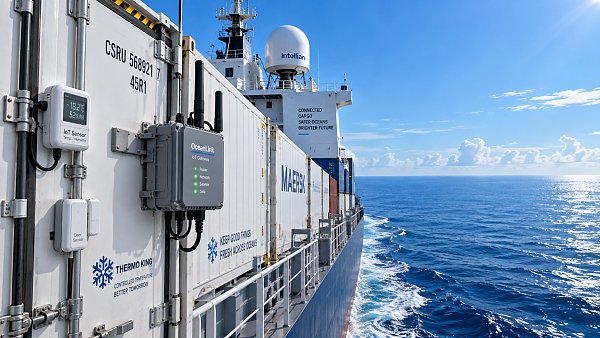
Smart container shipping increasingly depends on shared situational awareness: vessel performance, port flow, transfer timing, equipment condition, and downstream delivery readiness. Intelligence platforms help stitch those layers into a usable control view.
This matters especially when global trade conditions are unstable. Congestion, route disruption, weather events, and changing carrier networks can erase the value of static planning unless teams have timely and interpretable logistics intelligence.
In that environment, the maritime logistics intelligence platform becomes a practical operating tool, not a digital extra. It helps users maintain control when schedules are fluid and decisions cannot wait for manual confirmation.
Conclusion: closing visibility gaps means improving action, not just information
A cargo visibility gap is not simply missing data on a shipment map. It is the operational space where delays, missed handoffs, and cost exposure grow before teams can see clearly enough to respond.
A maritime logistics intelligence platform reduces that gap by combining fragmented shipping signals, validating milestone progress, improving ETA accuracy, and surfacing exceptions early enough for meaningful intervention.
For operators, the real value is practical: less time spent chasing updates, more confidence in shipment status, faster reaction to disruption, and better coordination across vessel, port, container, and inland movements.
When evaluating such a platform, focus less on broad marketing claims and more on whether it helps your team answer urgent daily questions faster and more accurately than current tools and manual processes.
If it can do that consistently, then it is not only improving visibility. It is strengthening operational control across the full ocean logistics journey and helping users act before uncertainty becomes disruption.
Recommended News
 Sep 19, 2026What vessel connectivity equipment is needed for reliable cargo monitoring?Vessel connectivity equipment for reliable cargo monitoring: explore satellite links, IoT gateways, sensors, edge storage, and cybersecurity for smarter maritime operations.
 Aug 16, 2026How digital land-sea interconnection improves cargo transfer efficiencyDigital land-sea interconnection helps cargo move faster by syncing rail, port, and vessel operations in real time, reducing delays and boosting transfer efficiency.
 Jun 26, 2026Maritime Logistics Systems: How to Cut Delays in Port OperationsMaritime logistics systems help ports cut delays with real-time visibility, smarter berth planning, and faster coordination. Discover practical ways to reduce bottlenecks and improve port operations.
 Jun 24, 2026Perceptive Interconnection in Cargo Monitoring: What Improves Response Speed?Perceptive interconnection helps cargo monitoring respond faster by linking sensor data, context, and action across ship, port, and inland operations. See what truly improves speed.
 Jun 06, 2026Smart Container Ship Logistics: What Improves Cargo Visibility FastMaritime logistics for smart container ships improves cargo visibility fast with better sensors, cleaner event data, and stronger ship-to-shore integration. Discover what drives faster, smarter decisions.
![]() Jun 04, 2026Smart Maritime Logistics: Where Cargo Monitoring Adds ValueSmart maritime logistics turns cargo monitoring into real business value—improving visibility, reducing risk, supporting compliance, and strengthening cost control across global supply chains.
Jun 04, 2026Smart Maritime Logistics: Where Cargo Monitoring Adds ValueSmart maritime logistics turns cargo monitoring into real business value—improving visibility, reducing risk, supporting compliance, and strengthening cost control across global supply chains. May 28, 2026Maritime Logistics for Smart Container Ships: 5 Cargo Monitoring Gaps to Fix EarlyMaritime logistics for smart container ships: discover 5 early cargo monitoring gaps that can trigger claims, compliance failures, and delays—and learn what to fix first.
 May 26, 2026How Maritime Logistics Intelligence Platforms Reduce Cargo Visibility GapsMaritime logistics intelligence platform insights reveal how to close cargo visibility gaps, improve ETA accuracy, reduce delays, and help operators act faster across ocean supply chains.
![]() May 23, 2026Perceptive Interconnection in Cargo MonitoringPerceptive interconnection transforms cargo monitoring with real-time visibility, faster alerts, and smarter control across rail and ocean networks—improving safety, reducing risk, and boosting efficiency.
May 23, 2026Perceptive Interconnection in Cargo MonitoringPerceptive interconnection transforms cargo monitoring with real-time visibility, faster alerts, and smarter control across rail and ocean networks—improving safety, reducing risk, and boosting efficiency. May 20, 2026Smart Container Ships: Maritime Logistics Gaps That Still Delay TurnaroundMaritime logistics for smart container ships still faces berth, data, and terminal gaps that delay turnaround. Discover practical fixes to improve port performance and supply chain resilience.
 May 19, 2026What a Maritime Logistics Intelligence Platform Should Track FirstA maritime logistics intelligence platform should track vessel position, port congestion, ETA accuracy, container flow, and exception alerts first to cut delays and improve operational control.
 May 18, 2026Smart Maritime Technology for Better Cargo VisibilitySmart maritime technology improves cargo visibility with real-time tracking, safer vessel coordination, and faster decisions—helping operators reduce delays and strengthen supply chain control.