



Search News
Industry Portal
Popular Tags
Rail Transit Braking: Key Failure Points and Maintenance Priorities
Author
Time
Click Count
Why does rail transit braking deserve so much attention?
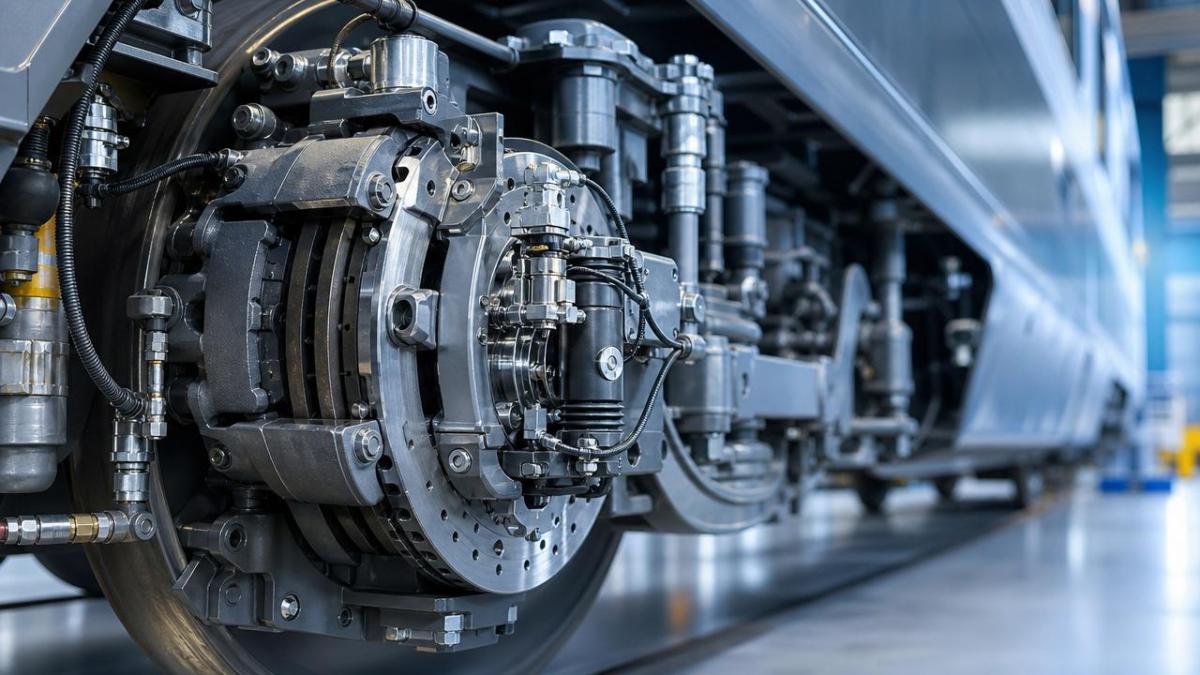
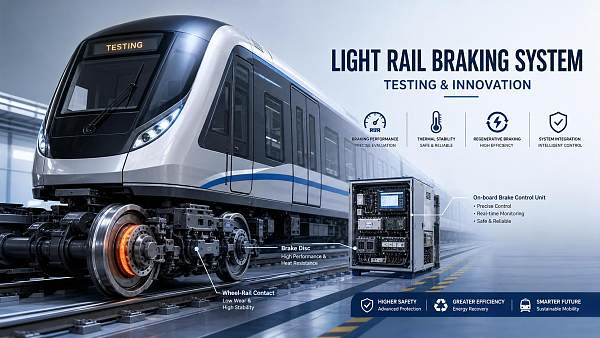
Rail transit braking is where safety, ride comfort, and asset availability meet. A minor weak point can quickly become a service delay, wheel defect, or emergency stopping risk.
That is why maintenance teams watch braking performance as closely as traction, signalling, and power collection. In dense urban lines, small deviations repeat thousands of times each week.
In high-speed and intercity operations, the margin for error becomes even smaller. Braking distance, adhesion control, thermal load, and response timing all have to stay predictable.
From GTOT’s broader land-and-sea perspective, braking is not an isolated subsystem. It connects with control logic, digital diagnostics, fleet lifecycle planning, and overall transport reliability.
The practical question is not whether failures happen. It is where rail transit braking fails first, how those signals appear, and which checks prevent a larger event.
Where do rail transit braking failures usually start?
Most rail transit braking issues begin at interfaces. Friction meets heat, air meets seals, electronics meet vibration, and software commands meet mechanical execution.
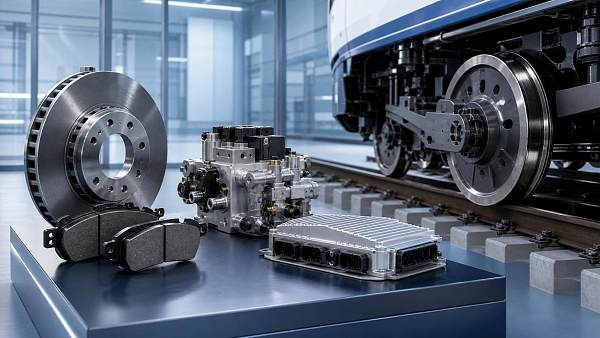
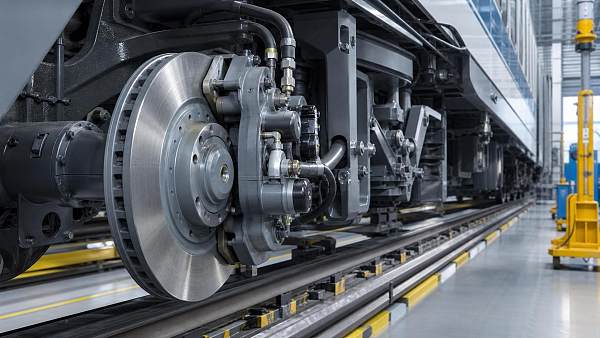
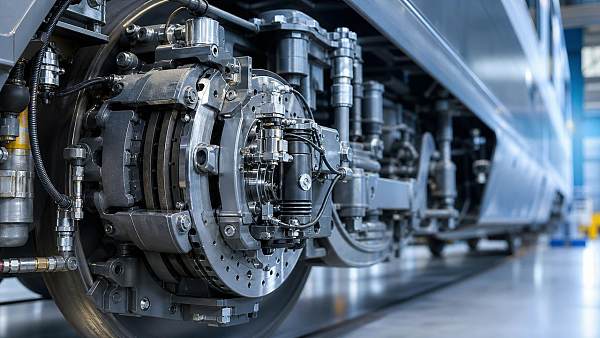
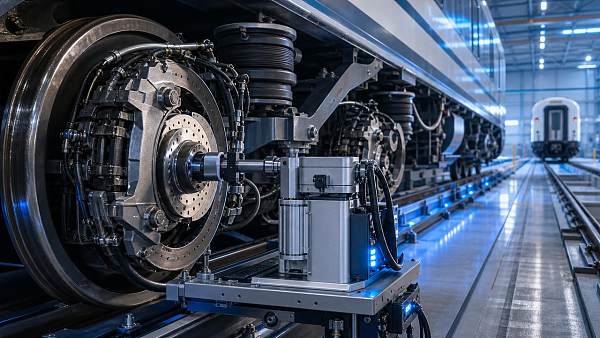
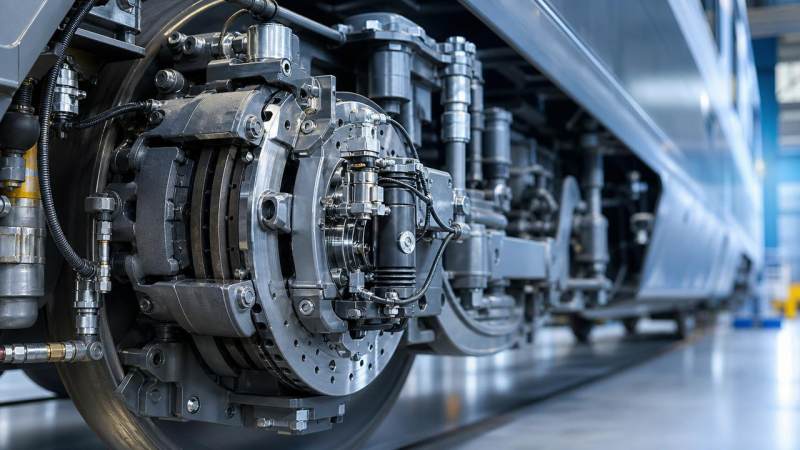
Brake pads and discs are the first suspects, but not always the root cause. Uneven wear often points to caliper alignment, actuator lag, or poor wheel condition.
Pneumatic lines and valves also fail quietly. Small leaks, contamination, and sluggish pressure build-up can create delayed brake application without triggering dramatic alarms at first.
Electronic control units deserve equal attention. Rail transit braking now relies on sensors, control boards, wiring, and diagnostic logic to manage braking force precisely.
When speed sensors drift or connectors loosen, the system may still operate, yet performance consistency drops. That is often when wheel slide events or uneven stopping behavior appear.
Door-to-door reliability depends on spotting these early-stage defects before they become visible failures. In practice, the earliest warning is often a pattern, not a single fault code.
The failure points that deserve first-line inspection
- Friction pairs: pad glazing, disc hot spots, uneven thickness, and accelerated wear.
- Actuation parts: caliper sticking, return spring weakness, and linkage misalignment.
- Pneumatic hardware: valve contamination, hose aging, pressure leakage, and moisture ingress.
- Electrical paths: damaged harnesses, loose connectors, grounding instability, and signal interruption.
- Control inputs: sensor offset, wheel speed mismatch, and delayed feedback to brake control units.
How can you tell normal wear from a developing braking problem?
Normal wear is gradual, symmetrical, and predictable against mileage and route profile. A developing rail transit braking problem usually breaks one of those three rules.
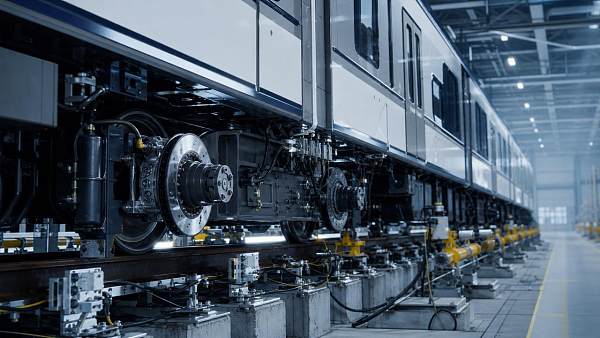
For example, rapid pad loss on one bogie is rarely just heavy service. It may suggest load imbalance, actuator drag, or a control mismatch between cars.
Heat marks matter too. Blueing, cracking, or surface smearing on discs often indicates repeated thermal overload or poor heat dissipation during demanding duty cycles.
Noise should not be dismissed as cosmetic. Squeal, scraping, and pulsing can reveal friction instability, loose mounting, or disc surface irregularity.
The more reliable method is to combine physical inspection with trend data. Brake cylinder pressure, deceleration curves, response times, and wheel slide records show whether wear remains healthy.
GTOT often tracks this kind of performance logic across transport systems. The same discipline used in ship condition monitoring also improves rail transit braking decisions.
A simple comparison table helps separate routine wear from warning signs that need immediate follow-up.
Which maintenance priorities have the biggest effect on braking reliability?
The highest-value work is not always the most complex. In rail transit braking, disciplined inspection routines usually prevent more failures than late-stage component replacement.
Start with condition-based intervals, not only calendar intervals. Routes with steep gradients, frequent stops, dust, humidity, or mixed traffic need different brake attention.
Next, verify system balance. Braking performance depends on how pads, discs, pneumatics, and controls behave together, not how each part looks alone.
Functional testing is essential after component change. Replacing a valve or pad without confirming response timing can leave a hidden mismatch inside the trainset.
Cleanliness also has a direct effect. Dust, oil residue, moisture, and metallic particles reduce signal quality and damage moving parts over time.
Priority actions that usually pay off fastest
- Measure pad and disc wear by axle position, not only by vehicle total.
- Test pneumatic leakage and pressure response under repeatable operating conditions.
- Inspect connectors, cable routing, and sensor fastening in high-vibration areas.
- Review braking event logs for drift before alarms become frequent.
- Match replacement parts to thermal and duty-cycle requirements, not price alone.
This approach fits the larger GTOT view of equipment intelligence. Reliable operation comes from linking field observations with engineering data, not from isolated maintenance paperwork.
What mistakes make rail transit braking maintenance less effective?
One common mistake is treating symptoms as isolated events. Replacing worn pads without checking actuator movement often sends the same train back with the same hidden problem.
Another mistake is relying too heavily on static inspection. Rail transit braking failures often emerge under heat, vibration, load transfer, or repeated stopping cycles.
There is also a data gap issue. If diagnostic records, workshop findings, and route conditions stay disconnected, recurring defects look random even when they are not.
Material mismatch creates another avoidable risk. Composite friction materials behave differently across climate, speed range, and stop frequency, so substitutions need validation.
Some fleets also underestimate sensor health. A brake system can be mechanically sound while control quality suffers because input signals no longer represent real wheel behavior accurately.
A better way to judge maintenance quality
Instead of asking whether a component was replaced, ask whether braking consistency improved. That means checking stopping stability, release timing, wear balance, and repeat fault frequency.
In practical terms, effective rail transit braking maintenance reduces variation. Fewer surprises matter more than isolated perfect readings.
How should inspection plans change for modern fleets?
Modern fleets generate more operating data, but they also add more integration points. Rail transit braking is now deeply tied to software logic and networked diagnostics.
That changes inspection planning in two ways. First, physical checks still matter. Second, digital trends need structured review instead of occasional alarm chasing.
A useful plan combines route severity, brake event history, component age, and known subsystem interactions. This is more effective than applying one uniform interval to every train.
For fleets moving toward full digitalization, brake maintenance should share data language with signalling, traction, and asset systems. That is consistent with GTOT’s intelligence-led operating philosophy.
The goal is simple: detect drift early, confirm root cause quickly, and avoid replacing healthy parts because the real issue remained upstream.
What is worth doing next?
If rail transit braking performance has become less predictable, start by mapping failures by axle, route, temperature, and response time. Patterns usually appear faster than expected.
Then compare wear data with control data, not separately. That single step often reveals whether the problem is friction, actuation, pneumatic delay, or signal quality.
Finally, build a priority list around risk and recurrence. The most effective braking strategy is rarely the broadest one. It is the one tied to real operating evidence.
When rail transit braking is maintained with that level of discipline, trains stop more consistently, components last longer, and system confidence improves across the entire transport chain.
Recommended News
 Jul 17, 2026How to Evaluate Rail Transit Braking Systems for Light RailRail transit braking systems for light rail: learn how to evaluate response time, thermal stability, safety integration, and lifecycle cost for smarter, safer urban transit decisions.
![]() Jul 07, 2026Rail Transit Braking Systems in Southeast Asia: Key Upgrade RisksRail transit braking systems Southeast Asia face hidden upgrade risks beyond stopping power. Explore compatibility, heat, humidity, integration, and lifecycle factors before costly project decisions.
Jul 07, 2026Rail Transit Braking Systems in Southeast Asia: Key Upgrade RisksRail transit braking systems Southeast Asia face hidden upgrade risks beyond stopping power. Explore compatibility, heat, humidity, integration, and lifecycle factors before costly project decisions. Jul 02, 2026How to Compare a Rail Transit Braking Systems SupplierCompare a rail transit braking systems supplier by safety certification, braking performance, integration, delivery reliability, and lifecycle support to reduce project risk.
 Jun 25, 2026Rail Braking Equipment Failures: Common Causes and Fast FixesRail braking equipment failures can trigger delays and safety risks fast. Discover common causes, practical troubleshooting steps, and quick fixes to restore reliable braking.
 Jun 08, 2026Rail Transit Braking: Key Failure Points and Maintenance PrioritiesRail transit braking failures often start at pads, discs, valves, sensors, and control links. Learn key warning signs and maintenance priorities to improve safety, reliability, and fleet uptime.
 Jun 02, 2026Rail Transit Braking Performance Checks for Safer Daily OperationRail transit braking checks help improve safety, punctuality, and asset reliability. Learn key warning signs, inspection steps, and smarter daily operation practices.
 May 16, 2026Rail Transit Braking Performance Checks Before Fleet UpgradesRail transit braking checks before fleet upgrades reveal safety gaps, compatibility risks, and lifecycle costs—helping operators modernize with confidence, compliance, and fewer delays.