



Search News
Industry Portal
Popular Tags
Rail Transit Braking Systems in Southeast Asia: Key Upgrade Risks

Author
Time
Click Count
Why upgrade risks look different across Southeast Asian rail networks
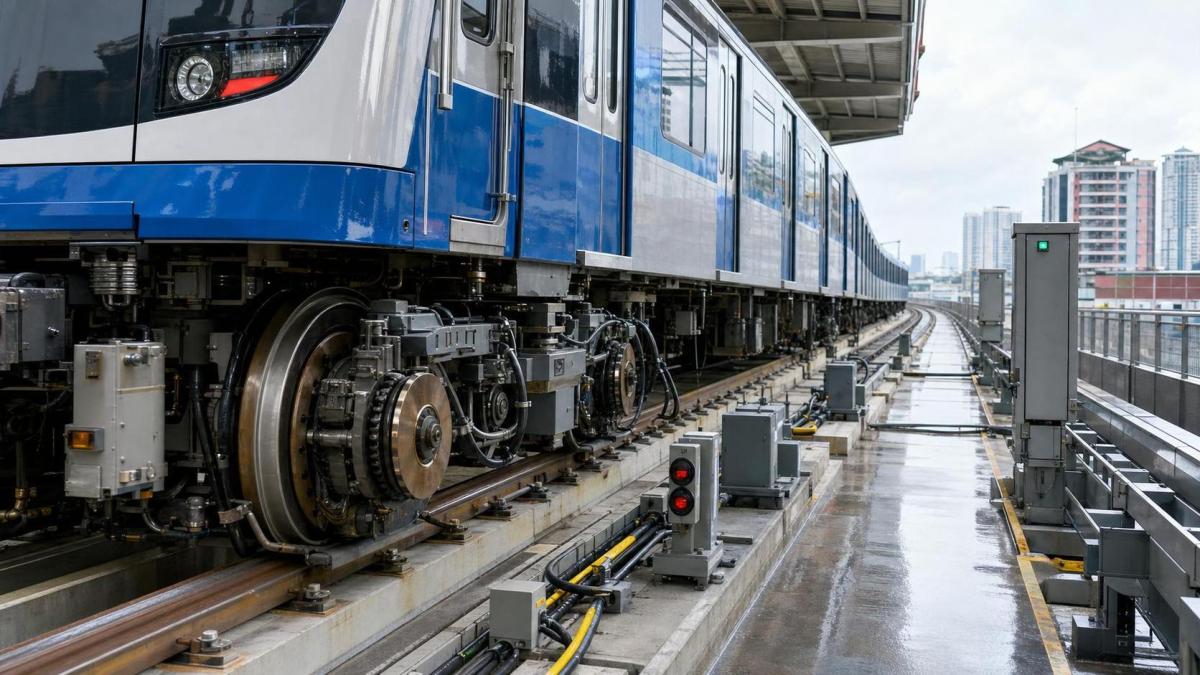
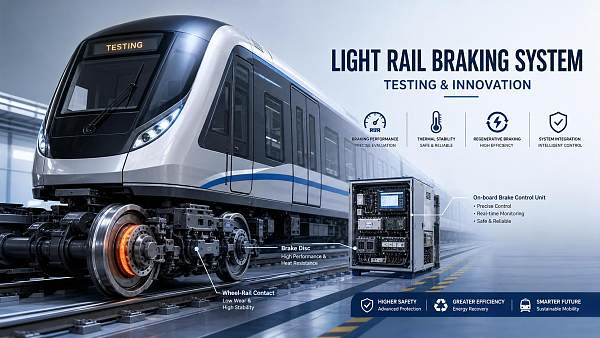
Rail transit braking systems Southeast Asia now sit at the center of fleet renewal, metro expansion, and service reliability planning across the region.
The issue is not only stopping performance.
In practice, braking upgrades affect signaling interfaces, onboard power stability, depot routines, spare parts strategy, and long-term compliance evidence.
That is why similar projects can produce very different outcomes.
A new automated metro in a dense capital faces different constraints than an aging suburban fleet running mixed traffic in humid coastal conditions.
GTOT often frames this through a wider transport lens.
Railway control, traction behavior, and braking integrity should be read together, much like vessel navigation, propulsion, and cargo safety are assessed as one operational system.
For rail transit braking systems Southeast Asia, that systems view matters because hidden upgrade risks usually appear at the boundaries between subsystems.
Actual operating conditions often matter more than catalog performance
Many upgrade programs start with rated deceleration, pad material, or electronic control features.
Those parameters are necessary, but they rarely tell the whole story.
In Southeast Asia, climate, passenger density, stop frequency, tunnel sections, and energy recovery profiles can reshape brake behavior over time.
A system that performs well in dry acceptance testing may show different thermal fade patterns during peak-hour urban service.
More common risks appear when retrofit decisions assume all metro or light rail corridors behave the same.
They do not.
The judgment point is whether the braking architecture matches the route profile, dwell pattern, axle load variation, and maintenance maturity already in place.
Dense urban metros: heat, timing, and integration pressure
High-frequency metro corridors create a demanding environment for rail transit braking systems Southeast Asia.
Short headways leave little tolerance for inconsistent response time.
Repeated braking cycles also increase attention on thermal stability, wheel slide control, and software coordination with automatic train operation.
In this setting, the upgrade question is rarely about maximum braking force alone.
It is about whether the train can stop predictably after thousands of repetitive cycles without pushing wear, noise, or fault rates beyond depot capacity.
A frequent misjudgment is treating brake control as a stand-alone package.
On automated lines, any mismatch with signaling logic, door release timing, or regenerative blending can delay commissioning far more than component delivery itself.
Commuter and mixed-traffic fleets: compatibility usually becomes the bigger risk
Older commuter fleets often run under tighter budget discipline and less predictable infrastructure conditions.
Here, rail transit braking systems Southeast Asia upgrades tend to expose compatibility issues before performance gains are visible.
Legacy pneumatic circuits, uneven carbody conditions, and varied maintenance histories can weaken the business case for a fast retrofit.
What matters more is phased integration.
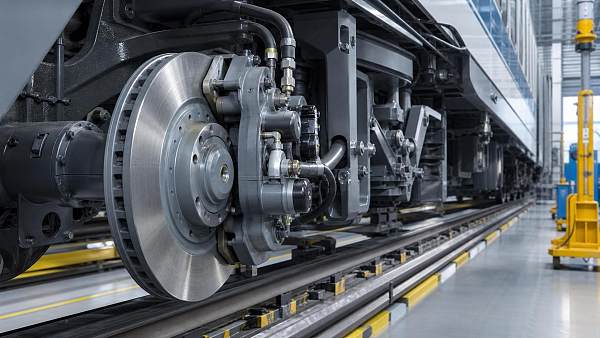
A technically advanced brake control unit may still underperform if bogie condition monitoring, wheel reprofiling cycles, and driver handling patterns remain unchanged.
In these fleets, lifecycle stability often outweighs headline innovation.
Different scenarios lead to different upgrade priorities
The practical difference between projects becomes clearer when the operating context is compared directly.
This is why rail transit braking systems Southeast Asia should be reviewed as operating solutions, not only as equipment packages.
Where upgrade programs usually run into trouble
Most delays do not begin with a failed brake test.
They begin earlier, when qualification assumptions are too narrow.
Thermal performance is often tested, but not always in realistic duty cycles
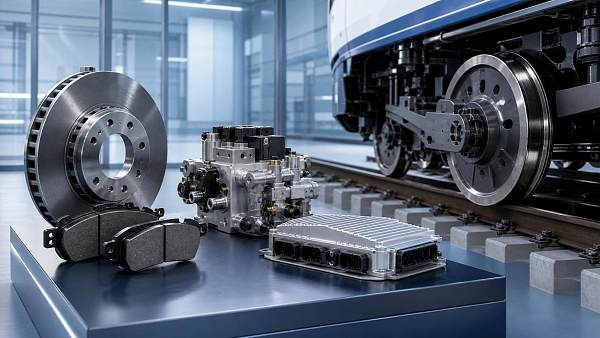
Brake pad and disc behavior can change significantly under repeated urban braking, emergency interventions, and heavy humidity.
A passing lab result does not automatically cover tunnel heat buildup, steep approach sections, or high-load event service.
GTOT’s industry perspective is useful here.
As with cryogenic containment or marine propulsion components, the important question is performance drift under real operating stress, not nominal rating alone.
Supplier qualification can look complete while depot readiness remains weak
Rail transit braking systems Southeast Asia projects sometimes overemphasize supplier documents and underemphasize local maintainability.
That gap appears later through longer troubleshooting cycles, weak fault isolation, or spare parts bottlenecks.
An upgrade is not truly qualified when only the trainset is ready.
Diagnostic tools, training depth, repair turnaround, and localized stock planning also need verification.
Compliance risk often hides in subsystem boundaries
Regional projects may work under international standards, local acceptance rules, and lender-driven documentation requirements at the same time.
That makes evidence management critical.
If braking logic changes affect signaling behavior, software safety cases and test traceability may need deeper revision than expected.
This is one reason rail transit braking systems Southeast Asia upgrades can slip even when hardware supply stays on schedule.
What to verify before choosing an upgrade path
A more reliable decision process usually starts with a short list of field-based checks.
- Map braking demand by route section, passenger loading pattern, and seasonal operating conditions.
- Separate new-build priorities from retrofit priorities before comparing technical options.
- Confirm interface ownership across braking, TCMS, signaling, traction, and power recovery logic.
- Review depot tooling, diagnostic access, and repair cycle assumptions alongside supplier capability.
- Test degraded modes, not only nominal service conditions, including low adhesion and power fluctuation cases.
- Price the upgrade through lifecycle cost, including wear, downtime, retraining, and documentation maintenance.
These checks help keep rail transit braking systems Southeast Asia decisions grounded in service reality rather than procurement comparison alone.
Common misreads that distort project decisions
Some errors appear repeatedly across the region.
One is assuming a successful reference project in one city will transfer directly into another network with different headways, gradients, and depot skill levels.
Another is focusing on acquisition cost while overlooking recurring costs tied to wear parts, software support, and specialist troubleshooting.
A third is treating coastal humidity as a routine environmental note rather than a design and maintenance variable.
For rail transit braking systems Southeast Asia, these misreads matter because they distort both risk timing and budget realism.
More careful programs usually compare route conditions, fleet age bands, and maintenance depth before finalizing the technical shortlist.
A practical next step for stronger braking upgrade decisions
The better path is usually a structured scenario review.
Start by grouping lines or fleets by operating intensity, environmental exposure, automation level, and maintenance maturity.
Then compare rail transit braking systems Southeast Asia options against those conditions, not against a generic specification sheet.
From there, clarify the parameters that genuinely drive risk: stopping consistency, thermal stability, interface complexity, parts localization, and compliance evidence.
This kind of disciplined review matches the broader GTOT view of transport intelligence.
Complex land and sea systems rarely fail because one parameter was ignored.
They fail when interdependencies are underestimated.
For rail transit braking systems Southeast Asia, the next useful step is to build a scenario-based evaluation matrix before locking supplier selection, project timing, and lifecycle assumptions.
Recommended News
 Jul 17, 2026How to Evaluate Rail Transit Braking Systems for Light RailRail transit braking systems for light rail: learn how to evaluate response time, thermal stability, safety integration, and lifecycle cost for smarter, safer urban transit decisions.
![]() Jul 07, 2026Rail Transit Braking Systems in Southeast Asia: Key Upgrade RisksRail transit braking systems Southeast Asia face hidden upgrade risks beyond stopping power. Explore compatibility, heat, humidity, integration, and lifecycle factors before costly project decisions.
Jul 07, 2026Rail Transit Braking Systems in Southeast Asia: Key Upgrade RisksRail transit braking systems Southeast Asia face hidden upgrade risks beyond stopping power. Explore compatibility, heat, humidity, integration, and lifecycle factors before costly project decisions. Jul 02, 2026How to Compare a Rail Transit Braking Systems SupplierCompare a rail transit braking systems supplier by safety certification, braking performance, integration, delivery reliability, and lifecycle support to reduce project risk.
 Jun 25, 2026Rail Braking Equipment Failures: Common Causes and Fast FixesRail braking equipment failures can trigger delays and safety risks fast. Discover common causes, practical troubleshooting steps, and quick fixes to restore reliable braking.
 Jun 08, 2026Rail Transit Braking: Key Failure Points and Maintenance PrioritiesRail transit braking failures often start at pads, discs, valves, sensors, and control links. Learn key warning signs and maintenance priorities to improve safety, reliability, and fleet uptime.
 Jun 02, 2026Rail Transit Braking Performance Checks for Safer Daily OperationRail transit braking checks help improve safety, punctuality, and asset reliability. Learn key warning signs, inspection steps, and smarter daily operation practices.
 May 16, 2026Rail Transit Braking Performance Checks Before Fleet UpgradesRail transit braking checks before fleet upgrades reveal safety gaps, compatibility risks, and lifecycle costs—helping operators modernize with confidence, compliance, and fewer delays.