



Search News
Industry Portal
Popular Tags
Rail Transit Braking Performance Checks Before Fleet Upgrades
Author
Time
Click Count
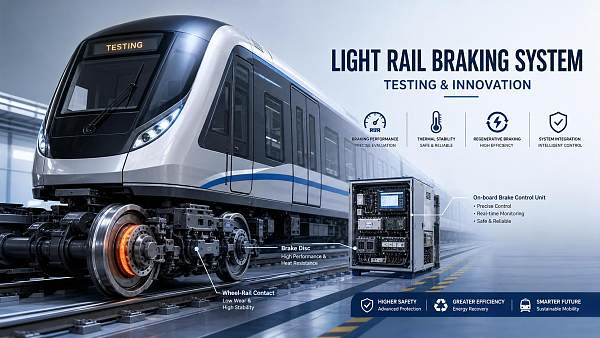
Before fleet upgrades begin, rail transit braking performance checks set the factual baseline for every safety, compatibility, and lifecycle decision. They confirm whether existing braking behavior can support new traction profiles, software logic, vehicle mass, and service intensity. In a market shaped by automation, decarbonization, and tighter compliance expectations, these checks reduce retrofit uncertainty and help modernization programs move with evidence rather than assumption.
Rail transit braking is entering a stricter validation era
Across rail and wider transport infrastructure, upgrades are no longer limited to replacing aging parts. Fleets are being redesigned for higher availability, digital control, energy recovery, and denser operating patterns.
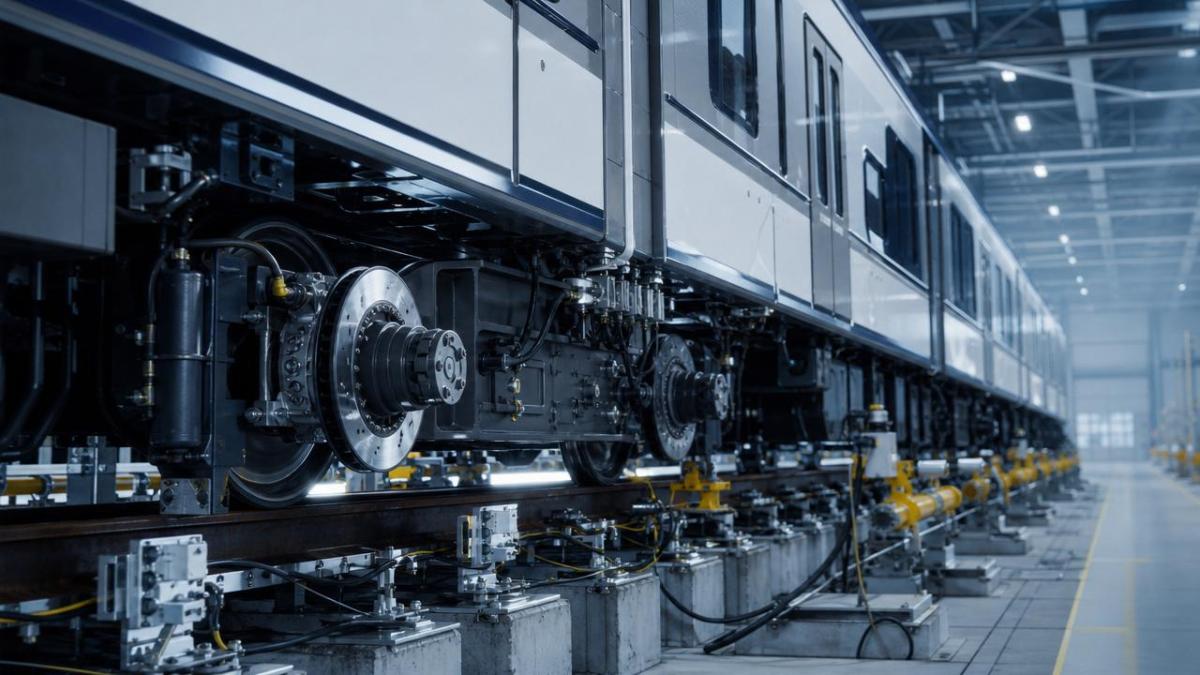
That shift makes rail transit braking a central checkpoint. Braking systems must now perform consistently across mixed traffic, automatic train operation, harsher thermal cycles, and stricter stopping tolerances.
For platforms covered by GTOT intelligence, this reflects a wider equipment trend. Core systems are judged less by isolated component quality and more by integrated performance under real operating stress.
As fleets age, hidden variation grows. Wheel condition, pneumatic response, software revisions, pad wear, adhesion levels, and load distribution can all change measured braking behavior before any upgrade even starts.
The strongest trend signals are coming from operations, safety, and digital integration
The need for deeper rail transit braking checks is being driven by several converging signals across rolling stock strategy and network management.
These signals show why rail transit braking can no longer be treated as a routine maintenance item. It is now a strategic validation domain for upgrade feasibility.
Why pre-upgrade braking checks are becoming more complex
Modernization projects often change more variables than expected. A traction upgrade may alter deceleration blending. A weight increase may change stopping margins. A software revision may affect brake command timing.
Because of this, rail transit braking checks must examine dynamic interaction, not just component status. The most useful assessments connect mechanical, electrical, thermal, and control-system behavior.
Key drivers behind deeper validation
- Mixed braking architectures combining pneumatic, electrodynamic, and emergency braking.
- Tighter stopping distance requirements under variable adhesion conditions.
- Higher thermal stress during repeated station-to-station deceleration cycles.
- Compatibility risks between legacy brake units and new onboard control software.
- Need for evidence supporting safety cases, retrofit approvals, and lifecycle budgeting.
In practice, the value of rail transit braking checks lies in exposing where design intent and field behavior no longer match. That gap is where upgrade risk usually hides.
The biggest impacts appear across safety, project timing, and asset economics
When braking performance is not checked early, modernization plans can absorb avoidable delays. Test failures during late-stage commissioning often force redesign, software recalibration, or emergency hardware substitutions.
By contrast, early rail transit braking assessment improves planning quality. It clarifies whether upgrades need pad material changes, brake cylinder adjustments, wheel-slide optimization, or revised control thresholds.
Operational and business effects
- Safer stopping envelopes under normal, degraded, and emergency scenarios.
- Better schedule reliability through consistent deceleration response.
- Lower retrofit rework costs caused by late compatibility findings.
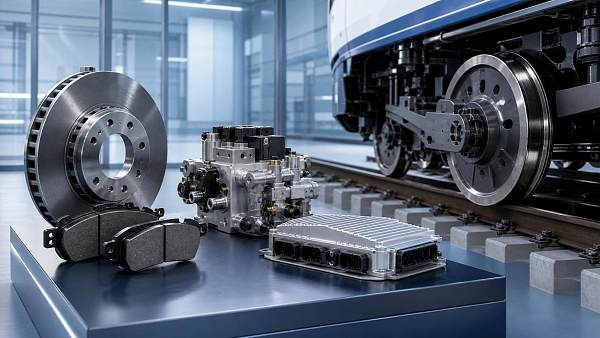
- More accurate maintenance forecasts for discs, pads, actuators, and valves.
- Stronger technical documentation for tenders, audits, and acceptance reviews.
For integrated intelligence platforms like GTOT, this matters beyond one subsystem. Braking validation influences control logic, traction use, vehicle availability, and overall fleet value realization.
What high-value rail transit braking checks should actually cover
Not every test adds equal value. The most useful pre-upgrade program focuses on measurable risks that could affect safety approval, service reliability, or long-term lifecycle cost.
This approach gives rail transit braking reviews stronger decision value than simple pass-fail maintenance records. It supports investment logic as much as engineering assurance.
The next wave of attention will move toward data quality and cross-system evidence
A visible trend is the move from isolated brake testing to connected performance intelligence. Operators increasingly want brake data linked with traction logs, event recorders, route profiles, and failure histories.
This is especially relevant for rail transit braking in automated and high-frequency networks. Repeatability, not only peak capability, is becoming the key indicator of upgrade readiness.
Priority focus areas for upcoming programs
- Correlation between field braking curves and simulation models.
- Thermal trend analysis across repeated duty cycles.
- Interface validation between brake control units and upgraded train software.
- Evidence packs aligned with safety certification and acceptance milestones.
- Lifecycle indicators connecting braking wear to availability planning.
For GTOT’s strategic view of transport equipment, this reflects a broader market direction. High-value assets now compete on verifiable intelligence, not only hardware specification.
A practical response starts with staged checks, not late corrections
The most effective response is to stage rail transit braking checks before upgrade scope is frozen. Early baseline testing should be followed by compatibility review, targeted simulation, and confirmatory field trials.
- Establish a current braking baseline under representative loads and routes.
- Map braking dependencies against traction, signaling, software, and vehicle mass changes.
- Identify thermal, timing, and adhesion risks likely to worsen after modernization.
- Prioritize corrective actions by safety impact and commissioning sensitivity.
- Build a traceable evidence file for approval, tender support, and lifecycle planning.
Rail transit braking performance checks are no longer a narrow technical formality. They are a strategic control point for safer upgrades, smoother project delivery, and stronger asset outcomes across modern transport fleets.
Where fleet modernization, signaling evolution, and traction upgrades intersect, disciplined braking validation creates the confidence to move forward. That is exactly where intelligence-led assessment delivers lasting value.
Recommended News
 Jul 17, 2026How to Evaluate Rail Transit Braking Systems for Light RailRail transit braking systems for light rail: learn how to evaluate response time, thermal stability, safety integration, and lifecycle cost for smarter, safer urban transit decisions.
![]() Jul 07, 2026Rail Transit Braking Systems in Southeast Asia: Key Upgrade RisksRail transit braking systems Southeast Asia face hidden upgrade risks beyond stopping power. Explore compatibility, heat, humidity, integration, and lifecycle factors before costly project decisions.
Jul 07, 2026Rail Transit Braking Systems in Southeast Asia: Key Upgrade RisksRail transit braking systems Southeast Asia face hidden upgrade risks beyond stopping power. Explore compatibility, heat, humidity, integration, and lifecycle factors before costly project decisions. Jul 02, 2026How to Compare a Rail Transit Braking Systems SupplierCompare a rail transit braking systems supplier by safety certification, braking performance, integration, delivery reliability, and lifecycle support to reduce project risk.
 Jun 25, 2026Rail Braking Equipment Failures: Common Causes and Fast FixesRail braking equipment failures can trigger delays and safety risks fast. Discover common causes, practical troubleshooting steps, and quick fixes to restore reliable braking.
 Jun 08, 2026Rail Transit Braking: Key Failure Points and Maintenance PrioritiesRail transit braking failures often start at pads, discs, valves, sensors, and control links. Learn key warning signs and maintenance priorities to improve safety, reliability, and fleet uptime.
 Jun 02, 2026Rail Transit Braking Performance Checks for Safer Daily OperationRail transit braking checks help improve safety, punctuality, and asset reliability. Learn key warning signs, inspection steps, and smarter daily operation practices.
 May 16, 2026Rail Transit Braking Performance Checks Before Fleet UpgradesRail transit braking checks before fleet upgrades reveal safety gaps, compatibility risks, and lifecycle costs—helping operators modernize with confidence, compliance, and fewer delays.