



Search News
Industry Portal
Popular Tags
How to Compare a Rail Transit Braking Systems Supplier
Author
Time
Click Count
How to Compare a Rail Transit Braking Systems Supplier
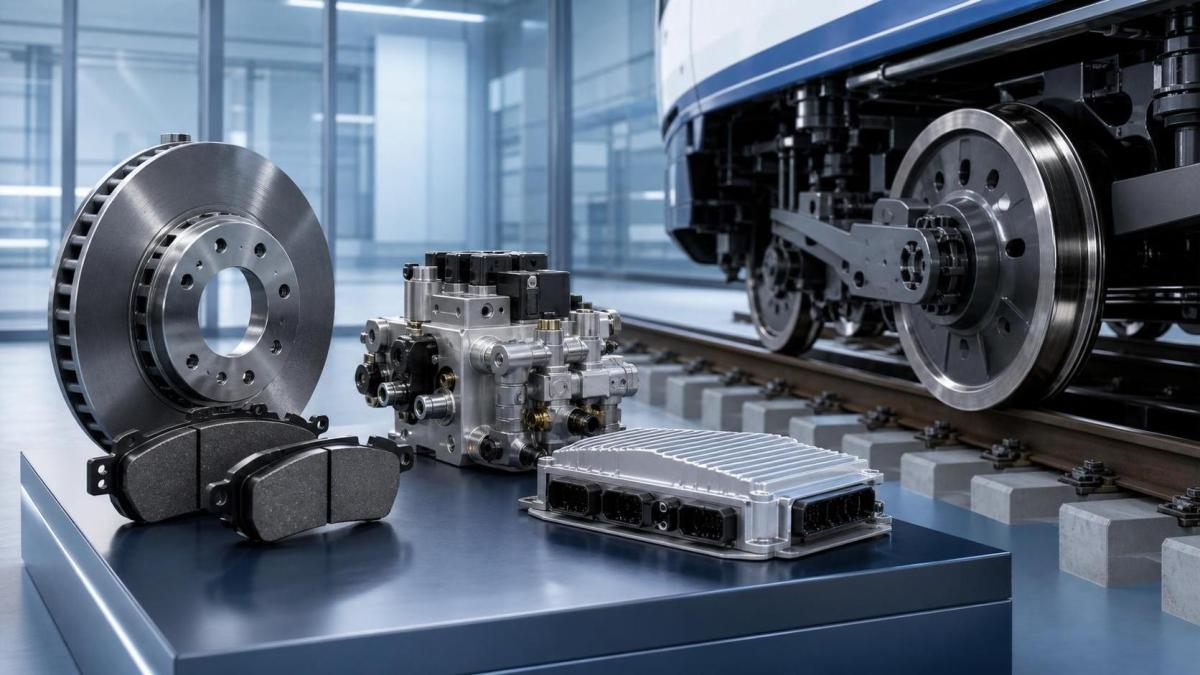
Choosing the right rail transit braking systems supplier can directly affect safety, cost, and delivery reliability.
That is why supplier comparison should start with risk, not with unit price.
In rail projects, braking performance sits at the center of operational credibility.
A weak supplier can create testing delays, maintenance pressure, and difficult warranty disputes.
A strong rail transit braking systems supplier helps stabilize the full lifecycle, from design review to fleet operation.
This matters even more as metro, intercity, and high-speed networks demand tighter stopping control and longer service intervals.
From recent market shifts, the clearer signal is simple.
Buyers are no longer comparing components alone.
They are comparing technical maturity, validation depth, supply resilience, and response speed after commissioning.
So when evaluating a rail transit braking systems supplier, use a structured model that connects engineering facts with commercial decisions.
Start with Safety Certification and System Compliance
The first filter is always compliance.
Any rail transit braking systems supplier should provide a clean, current, and traceable certification package.
Look for alignment with EN, IEC, UIC, ISO, and local rail authority requirements.
For safety-related functions, SIL evidence and subsystem interface validation deserve close attention.
Do not stop at checking whether a document exists.
Check whether the certification covers the exact product scope, operating speed, trainset type, and environmental conditions of your project.
This is where many comparisons become misleading.
A supplier may have a strong history in urban rail but limited proof in higher-speed platforms.
Another may perform well in dry climates but lack clear evidence for coastal corrosion or extreme winter operation.
- Type test reports with date, scope, and laboratory identity
- Safety case summaries and hazard analysis references
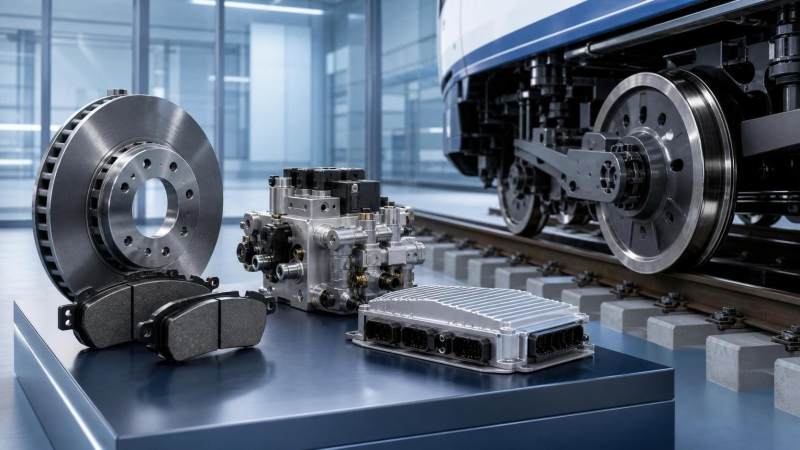
- Material compliance for pads, discs, valves, and control units
- Evidence of compatibility with onboard train control systems
A dependable rail transit braking systems supplier will answer these points quickly and clearly.
Compare Braking Performance Under Real Operating Conditions
Once compliance is confirmed, move to actual braking behavior.
This is the technical core of any rail transit braking systems supplier assessment.
The useful question is not whether the system can stop the train.
The useful question is how consistently it can stop under changing loads, gradients, speeds, and weather.
Ask for verified data on stopping distance, brake build-up time, response latency, wheel slide protection, and thermal fade.
In practical sourcing work, composite friction material performance often deserves extra review.
Pad wear rate, noise, dust, and heat stability can shift maintenance cost more than expected.
A capable rail transit braking systems supplier should present test curves, not just brochure claims.
When two bids look similar, this performance layer usually reveals the real gap.
Check Engineering Integration and Customization Capability
Rail braking systems rarely work as isolated products.
They must fit the train architecture, control logic, bogie design, and service profile.
That means the next step is integration capability.
An experienced rail transit braking systems supplier can explain interface management in detail.
This includes pneumatic layout, electronic control interfaces, software logic, and diagnostics access.
Ask whether the supplier has worked with similar train manufacturers, signaling environments, and maintenance regimes.
A good answer includes examples, engineering timelines, and known project constraints.
This also matters for retrofit programs.
Legacy fleets often require mixed-technology adaptation, tighter space planning, and staged validation.
If a rail transit braking systems supplier cannot support these interfaces, project risk rises fast.
- Review interface control documents early.
- Ask for a sample validation and commissioning plan.
- Compare software update and cybersecurity procedures.
- Confirm whether customization changes lead time or warranty terms.
Assess Manufacturing Strength and Supply Chain Stability
Technical strength means little without delivery discipline.
For that reason, manufacturing capability should be checked with the same rigor as braking performance.
A qualified rail transit braking systems supplier should show production traceability, quality controls, and supplier management depth.
Pay attention to machining consistency, electronic assembly controls, test bench capacity, and final inspection methods.
More importantly, ask what happens when demand spikes or one sub-tier source fails.
In the current transport equipment market, supply resilience has become a decision driver.
Long-lead valves, sensors, friction materials, and control boards can slow an entire project.
A solid rail transit braking systems supplier will already have mitigation plans, alternate sources, and stock policies.
- Monthly output and surge capacity
- Critical component dual sourcing strategy
- Incoming and final quality rejection rates
- Batch traceability for safety-critical parts
- Factory audit openness and response speed
This is often where a lower quote starts to look less attractive.
Look Beyond Price to Lifecycle Cost and Service Support
Price matters, but it should sit inside a full cost picture.
The better comparison is total lifecycle value.
A rail transit braking systems supplier with a higher upfront price may still reduce long-term spending.
That usually happens through lower wear, fewer failures, faster troubleshooting, and better spare parts planning.
In daily operations, downtime costs can exceed the original procurement gap very quickly.
So ask each rail transit braking systems supplier for a support model, not just a product offer.
Key points include spare parts lead time, local service presence, training scope, remote diagnostics, and warranty claim handling.
It also helps to compare recommended maintenance intervals and overhaul assumptions.
A supplier that cannot explain service economics clearly may become expensive later.
In many tenders, the winning rail transit braking systems supplier is the one with the lowest operational uncertainty, not the lowest invoice line.
Use a Practical Evaluation Scorecard Before Final Selection
At the final stage, convert comparison into a scoring method.
This keeps the decision balanced and easier to defend internally.
A practical scorecard for a rail transit braking systems supplier usually combines technical, commercial, and execution factors.
You can weight the model according to project type, fleet size, and service intensity.
The value of this approach is not only ranking suppliers.
It also exposes where more clarification is needed before award.
When comparing a rail transit braking systems supplier, the best decision usually comes from disciplined questions, evidence-based scoring, and clear lifecycle thinking.
That is the more reliable path to safer operation, smoother delivery, and fewer surprises after deployment.
Recommended News
 Jul 17, 2026How to Evaluate Rail Transit Braking Systems for Light RailRail transit braking systems for light rail: learn how to evaluate response time, thermal stability, safety integration, and lifecycle cost for smarter, safer urban transit decisions.
![]() Jul 07, 2026Rail Transit Braking Systems in Southeast Asia: Key Upgrade RisksRail transit braking systems Southeast Asia face hidden upgrade risks beyond stopping power. Explore compatibility, heat, humidity, integration, and lifecycle factors before costly project decisions.
Jul 07, 2026Rail Transit Braking Systems in Southeast Asia: Key Upgrade RisksRail transit braking systems Southeast Asia face hidden upgrade risks beyond stopping power. Explore compatibility, heat, humidity, integration, and lifecycle factors before costly project decisions. Jul 02, 2026How to Compare a Rail Transit Braking Systems SupplierCompare a rail transit braking systems supplier by safety certification, braking performance, integration, delivery reliability, and lifecycle support to reduce project risk.
 Jun 25, 2026Rail Braking Equipment Failures: Common Causes and Fast FixesRail braking equipment failures can trigger delays and safety risks fast. Discover common causes, practical troubleshooting steps, and quick fixes to restore reliable braking.
 Jun 08, 2026Rail Transit Braking: Key Failure Points and Maintenance PrioritiesRail transit braking failures often start at pads, discs, valves, sensors, and control links. Learn key warning signs and maintenance priorities to improve safety, reliability, and fleet uptime.
 Jun 02, 2026Rail Transit Braking Performance Checks for Safer Daily OperationRail transit braking checks help improve safety, punctuality, and asset reliability. Learn key warning signs, inspection steps, and smarter daily operation practices.
 May 16, 2026Rail Transit Braking Performance Checks Before Fleet UpgradesRail transit braking checks before fleet upgrades reveal safety gaps, compatibility risks, and lifecycle costs—helping operators modernize with confidence, compliance, and fewer delays.