



Search News
Industry Portal
Popular Tags
Rail Braking Equipment Failures: Common Causes and Fast Fixes
Author
Time
Click Count
Rail Braking Equipment Failures: Common Causes and Fast Fixes
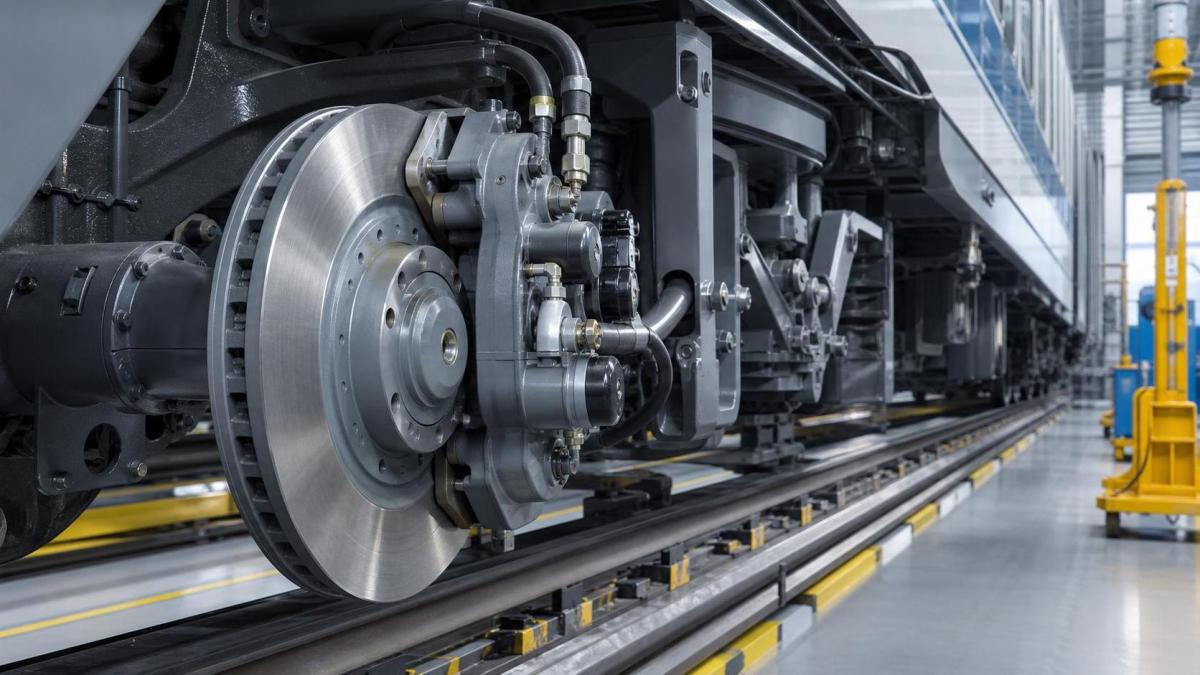
When rail braking equipment fails, delays escalate fast.
Safety margins shrink, schedules slip, and maintenance pressure rises.
In daily service, most rail braking equipment problems follow familiar patterns.
That is good news, because familiar failures are usually easier to isolate.
The key is knowing what to inspect first and what can wait.
For teams supporting modern fleets, fast diagnosis matters more than guesswork.
A structured approach reduces repeat faults and avoids unnecessary parts replacement.
This guide focuses on common rail braking equipment failure causes and practical fixes.
It also reflects the wider technical context observed by GTOT.
Across intelligent rail systems, braking reliability now depends on mechanics, pneumatics, and control electronics working together.
That means troubleshooting rail braking equipment should never stop at the visible symptom.
Start with the Failure Pattern, Not the Part
Before opening panels, define the failure pattern clearly.
Does the train stop longer than normal, brake unevenly, or lose braking force intermittently?
This first distinction saves time during rail braking equipment troubleshooting.
A mechanical drag issue behaves differently from an air supply leak.
A sensor fault also leaves a different trail than a control logic mismatch.
- Check fault logs before removing any component.
- Compare cab indications with onboard diagnostic records.
- Confirm whether the issue affects one bogie, one car, or the full consist.
- Ask if the fault appears only under load, speed, or wet weather.
In practice, this step often exposes the real direction quickly.
It also prevents replacing healthy rail braking equipment with no real gain.
Brake Pad and Disc Wear: The Most Common Mechanical Cause
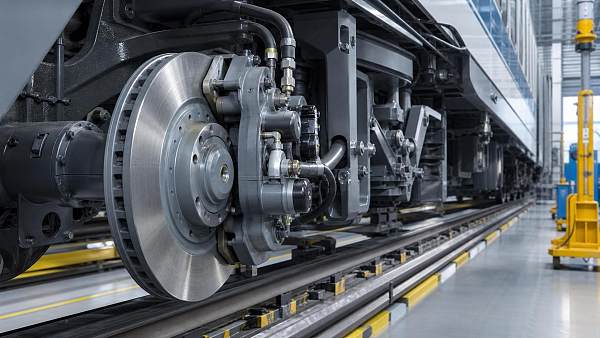
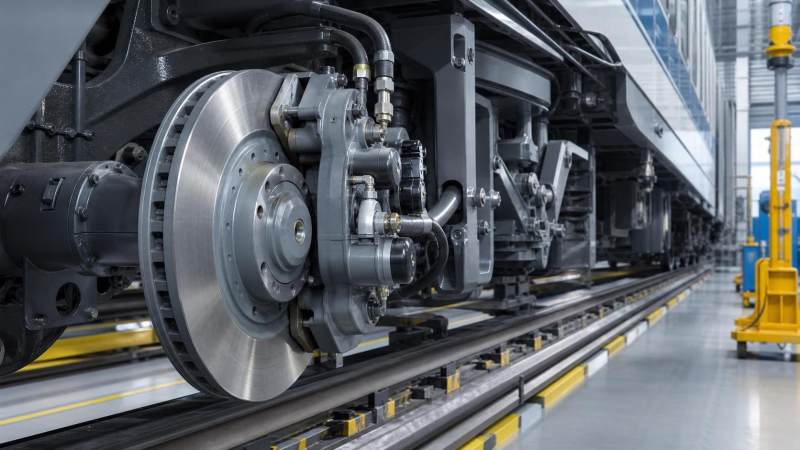
Worn pads remain one of the most common rail braking equipment issues.
Disc scoring, glazing, and heat cracks usually appear alongside them.
When friction materials degrade, stopping distance grows and response feels inconsistent.
A more obvious signal is noise, vibration, or smell after repeated braking.
Typical signs
- Pad thickness below service limit.
- Disc surface hotspots or uneven wear rings.
- Reduced braking force after repeated high-speed stops.
- Wheel slide events increasing during normal service.
Fast fixes
- Replace pads in matched axle sets, not one side only.
- Measure disc runout and thickness before returning equipment to service.
- Remove contamination from oil, grease, or metallic debris.
- Review duty cycle if thermal fade returns too quickly.
If wear repeats too early, the root cause may not be the pad itself.
Actuator alignment, wheel condition, and brake control timing may all contribute.
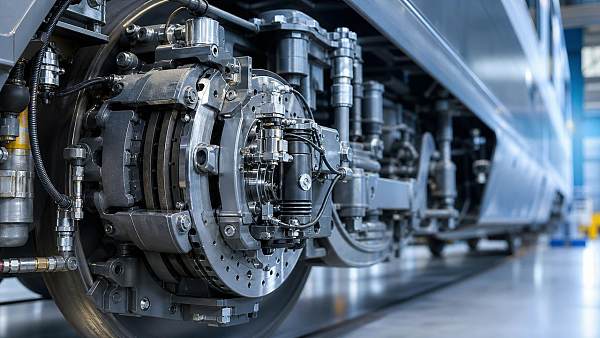
Air Leaks and Pressure Loss in Pneumatic Rail Braking Equipment
Pneumatic faults are another major source of rail braking equipment failure.
Even a small leak can slow brake application and weaken release stability.
From recent fleet trends, aging seals and vibration damage show up more often.
This is especially true on high-duty urban rail and mixed-condition regional lines.
Common leak points
- Flexible hoses and connectors.
- Brake cylinders and valve bodies.
- Reservoir fittings and drain interfaces.
- Air preparation units with poor moisture control.
Fast fixes
- Use pressure decay testing before disassembly.
- Apply leak detection fluid at suspect joints.
- Replace hardened seals instead of retightening repeatedly.
- Drain moisture and inspect dryer performance immediately.
Moisture is often the hidden amplifier in rail braking equipment faults.
It corrodes valves, affects response time, and increases winter freeze risk.
Sensor and Feedback Errors That Mislead Diagnosis
Not every braking complaint starts in the mechanical hardware.
Modern rail braking equipment relies heavily on accurate sensor feedback.
Speed sensors, pressure transducers, and temperature inputs shape braking decisions.
When one signal drifts, the whole brake response can look wrong.
Watch for these clues
- Fault appears intermittently after vibration or washdown.
- Diagnostic values stay frozen or jump suddenly.
- Brake command and actual response disagree in logs.
- One car reports abnormal values while others remain stable.
Fast fixes
- Inspect connectors for pin damage, moisture, and corrosion.
- Verify calibration against known reference values.
- Check cable routing near heat, vibration, or sharp edges.
- Replace suspect sensors only after signal validation.
This matters because false readings can mimic major rail braking equipment failures.
Without verification, time gets lost on the wrong subsystem.
Brake Control Unit and Software Logic Problems
As rail systems become smarter, control-side issues become more visible.
A healthy brake actuator can still underperform if the command logic is wrong.
Configuration drift, firmware mismatch, or timing conflicts can all interfere.
This is more common after retrofits, updates, or subsystem replacement.
Typical symptoms
- Delayed brake build-up without obvious air leakage.
- Uneven response between identical vehicles.
- Recurring fault reset after reboot, then return under service load.
- Event logs showing communication or synchronization alarms.
Fast fixes
- Confirm software version and parameter set against fleet baseline.
- Review recent maintenance actions before deeper replacement.
- Check network communication health between brake controller and train systems.
- Reload validated configuration when mismatch is confirmed.
In actual operations, this is where disciplined records make a huge difference.
Good traceability shortens rail braking equipment recovery time dramatically.
A Practical Priority Order for Fast Recovery
When time is tight, the order of inspection matters.
A clear sequence helps restore rail braking equipment faster and more safely.
- Secure the vehicle and confirm the fault symptom.
- Read active alarms, stored logs, and event history.
- Inspect visible wear, contamination, and loose hardware.
- Test air pressure stability and leak rate.
- Validate sensors and electrical connections.
- Check controller parameters, software, and communication status.
- Run a controlled functional test before release.
This order keeps simple rail braking equipment faults from becoming extended downtime cases.
It also helps separate immediate fixes from deeper reliability work.
Common Failure Points and Quick Response Guide
A table like this is useful when rail braking equipment faults repeat across fleets.
It gives technicians a fast decision path without oversimplifying the job.
How to Reduce Repeat Rail Braking Equipment Failures
Quick repair is important, but repeat prevention matters even more.
The strongest maintenance teams treat each rail braking equipment failure as useful data.
- Track repeat faults by component, route, weather, and mileage.
- Standardize torque, calibration, and leak test procedures.
- Review spare part quality when failures cluster unusually fast.
- Use trend data to plan intervention before service impact appears.
This is where industry intelligence adds value.
GTOT follows how brake materials, control logic, and railway safety systems evolve together.
That wider view helps connect workshop faults with broader equipment trends.
In other words, better insight supports faster fixes and better long-term reliability.
Final Takeaway
Most rail braking equipment failures come down to wear, leakage, feedback error, or control mismatch.
The fastest route to recovery is a disciplined sequence, not a rushed replacement.
Start with the failure pattern, verify the basics, and confirm data before changing parts.
That approach keeps rail braking equipment safe, available, and easier to support over time.
If recurring issues remain, the next smart step is deeper trend review, tighter maintenance standards, and closer alignment between field diagnostics and system intelligence.
Recommended News
 Jul 17, 2026How to Evaluate Rail Transit Braking Systems for Light RailRail transit braking systems for light rail: learn how to evaluate response time, thermal stability, safety integration, and lifecycle cost for smarter, safer urban transit decisions.
![]() Jul 07, 2026Rail Transit Braking Systems in Southeast Asia: Key Upgrade RisksRail transit braking systems Southeast Asia face hidden upgrade risks beyond stopping power. Explore compatibility, heat, humidity, integration, and lifecycle factors before costly project decisions.
Jul 07, 2026Rail Transit Braking Systems in Southeast Asia: Key Upgrade RisksRail transit braking systems Southeast Asia face hidden upgrade risks beyond stopping power. Explore compatibility, heat, humidity, integration, and lifecycle factors before costly project decisions. Jul 02, 2026How to Compare a Rail Transit Braking Systems SupplierCompare a rail transit braking systems supplier by safety certification, braking performance, integration, delivery reliability, and lifecycle support to reduce project risk.
 Jun 25, 2026Rail Braking Equipment Failures: Common Causes and Fast FixesRail braking equipment failures can trigger delays and safety risks fast. Discover common causes, practical troubleshooting steps, and quick fixes to restore reliable braking.
 Jun 08, 2026Rail Transit Braking: Key Failure Points and Maintenance PrioritiesRail transit braking failures often start at pads, discs, valves, sensors, and control links. Learn key warning signs and maintenance priorities to improve safety, reliability, and fleet uptime.
 Jun 02, 2026Rail Transit Braking Performance Checks for Safer Daily OperationRail transit braking checks help improve safety, punctuality, and asset reliability. Learn key warning signs, inspection steps, and smarter daily operation practices.
 May 16, 2026Rail Transit Braking Performance Checks Before Fleet UpgradesRail transit braking checks before fleet upgrades reveal safety gaps, compatibility risks, and lifecycle costs—helping operators modernize with confidence, compliance, and fewer delays.