



Search News
Industry Portal
Popular Tags
Composite Brake Pads: Wear, Noise, and Safety
Author
Time
Click Count
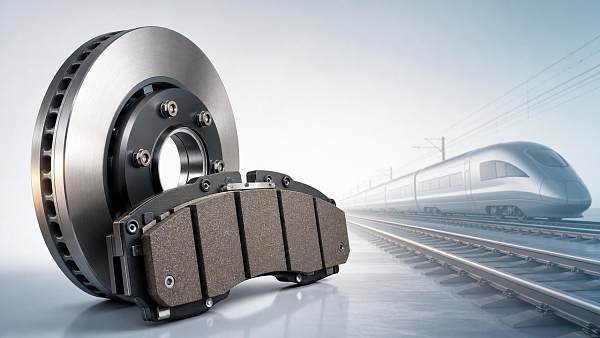
For quality control and safety managers, composite brake pads are more than consumable components—they are critical indicators of braking reliability, passenger comfort, and operational risk.
Wear patterns, abnormal noise, heat resistance, and friction stability can reveal deeper issues in rail transit braking systems before they escalate.
This article examines how composite brake pads perform under demanding service conditions, what inspection teams should monitor, and why disciplined evaluation supports compliant rail operations.
Why Composite Brake Pads Matter in Real Operating Scenarios
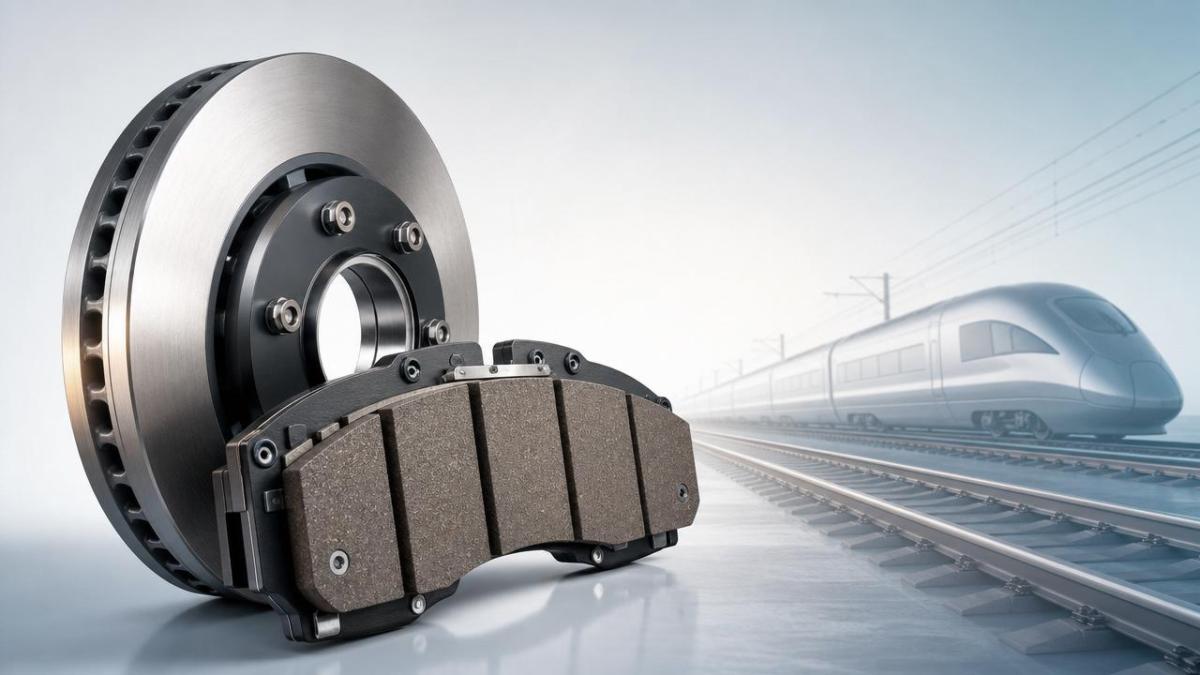
Rail braking is never a single-condition task. A train may face urban stop-start cycles, high-speed emergency braking, gradients, rain, dust, and seasonal temperature swings.
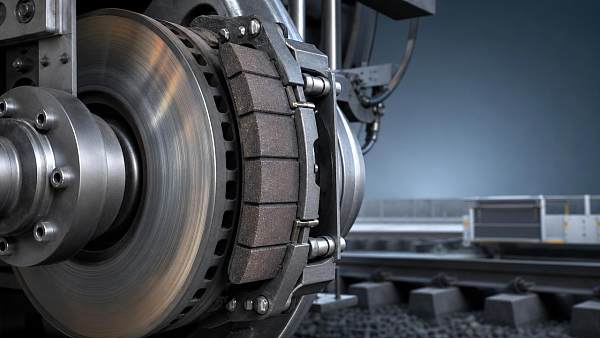
Composite brake pads must maintain predictable friction while limiting wheel wear, odor, vibration, and thermal damage.
In modern transit, composite brake pads also influence passenger perception. Noise, jerk, smoke, or uneven deceleration quickly becomes an operational concern.
Their condition can indicate caliper misalignment, disc surface defects, poor bedding, contamination, or unsuitable material selection.
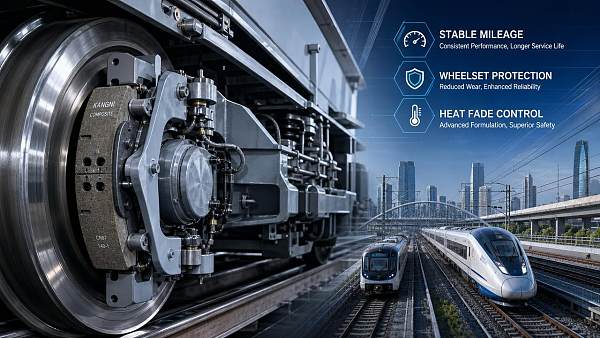
GTOT views composite brake pads as part of a larger safety chain connecting traction control, signaling discipline, braking electronics, and maintenance intelligence.
Scenario Background: Different Lines Create Different Brake Pad Risks
The same composite brake pads can perform differently across networks. Service pattern, axle load, route profile, and braking strategy change the demand profile.
A metro line may create rapid wear through frequent stops. A regional train may expose pads to longer heat cycles and higher kinetic energy.
A mountainous route can punish composite brake pads through sustained braking. Coastal networks may add humidity, salt, and corrosion-related noise.
Therefore, inspection should not rely only on mileage. It should combine wear rate, braking event intensity, thermal evidence, and acoustic behavior.
A useful evaluation starts with one question: what operating scenario is forcing the pad to fail, age, or sound abnormal?
Urban Stop-Start Service: Wear Rate and Noise Become Early Signals
Metro and commuter services place composite brake pads under frequent low-to-medium energy braking. The thermal peak may be moderate, but repetition is severe.
Typical symptoms include tapered wear, glazing, squeal, dust accumulation, and uneven pad thickness between vehicles.
In this scenario, composite brake pads should be checked for bedding quality, contact area, surface polish, and abnormal grooves.
Noise is especially important in stations and tunnels. Reflected sound can make minor squeal appear severe to passengers and operators.
Corrective action may include confirming caliper movement, cleaning contact surfaces, reviewing brake blending logic, and verifying pad compatibility with disc material.
Core Judgment Points for Urban Lines
- Track wear rate by vehicle set, not only by fleet average.
- Compare inner and outer pad thickness for alignment problems.
- Record noise by speed band, humidity, and braking phase.
- Inspect composite brake pads after bedding, not only near replacement.
High-Speed Rail: Friction Stability and Thermal Fade Decide Safety Margin
High-speed rail demands stable friction under large kinetic energy. Composite brake pads must resist fade, cracking, and surface breakdown.
At elevated speed, any instability can affect stopping distance, wheel-disc interface temperature, and brake control accuracy.
Composite brake pads used in high-speed service need strict validation against emergency braking, repeated deceleration, and aerodynamic cooling variations.
The main inspection focus is not only remaining thickness. Heat checking, discoloration, edge chipping, and resin degradation deserve equal attention.
If braking distance trends upward without clear electronic faults, composite brake pads and discs should be examined as a coupled friction system.
High-Speed Scenario Recommendations
- Monitor temperature exposure after intensive braking sequences.
- Confirm friction coefficient stability across certified speed ranges.
- Check for thermal fade indicators before visible structural damage appears.
- Evaluate composite brake pads together with disc surface roughness.
Freight and Heavy-Haul Routes: Load, Heat, and Durability Drive Selection
Heavy-haul operations test composite brake pads through axle load, long braking duration, and harsh environmental exposure.
The key challenge is energy absorption without excessive wear, odor, smoke, or transfer layer instability.
Composite brake pads in freight applications should be assessed for high-load durability and resistance to abrasive particles.
When routes include long descents, sustained heat can accelerate binder deterioration and produce uneven friction behavior.
Inspection teams should compare pad wear with route gradients, load records, braking frequency, and wheel or disc temperature history.
Coastal, Tunnel, and Cold Regions: Environment Changes Pad Behavior
Environmental exposure can change how composite brake pads sound, wear, and recover after braking.
Coastal routes may introduce salt moisture, corrosion products, and surface contamination. These factors can increase squeal and uneven contact.
Tunnel routes trap heat and brake dust. Composite brake pads must control particulate output while maintaining stable friction.
Cold regions create another problem. Low temperature can affect initial bite, moisture freezing, and noise during early braking cycles.
For these scenarios, maintenance should include environmental tags in inspection records. Weather-linked noise should not be dismissed as harmless.
Different Scenario Requirements for Composite Brake Pads
This comparison shows why composite brake pads should be selected by service duty, not by a generic catalog description.
Wear Inspection: Turning Pad Condition into Maintenance Intelligence
Wear is not simply material loss. It is a record of contact pressure, temperature, vibration, contamination, and braking strategy.
Composite brake pads with diagonal wear may indicate caliper guide problems or uneven piston force.
Localized glazing may suggest light braking, poor bedding, or overheating followed by surface hardening.
Cracks at edges should be reviewed carefully. Some minor thermal marks may be acceptable, but progressive cracking needs immediate investigation.
A robust inspection program should measure thickness, photograph surfaces, log mileage, and connect findings with brake event data.
Practical Wear Checklist
- Measure both ends of each pad.
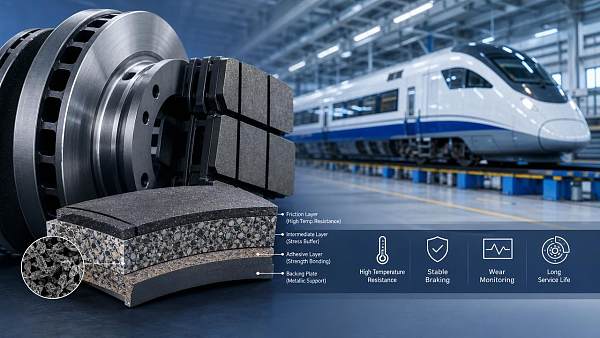
- Check backing plate integrity and bonding condition.
- Look for oil, grease, salt, or metallic particles.
- Compare composite brake pads across the same bogie.
- Escalate unusual wear before minimum thickness is reached.
Noise Diagnosis: Separating Comfort Issues from Safety Warnings
Brake noise is often treated as a comfort issue, but it can reveal unstable contact or vibration resonance.
Composite brake pads may generate squeal when friction, disc roughness, caliper stiffness, and environmental conditions align unfavorably.
A single noise report is less useful than a pattern. Speed, brake pressure, direction, temperature, and humidity should be recorded.
Low-frequency groan may indicate stick-slip behavior. High-frequency squeal may point to resonance or surface glazing.
Noise after pad replacement may mean incomplete bedding. Noise after long service may indicate wear, contamination, or disc condition changes.
Composite brake pads should be evaluated acoustically during commissioning, after maintenance, and after operating conditions change.
Safety Evaluation: From Pad Material to System-Level Confidence
Safety depends on the entire braking system. Composite brake pads are only one element, but they contact the final energy conversion point.
A safe pad must offer stable friction, acceptable wear, low damage to mating surfaces, and predictable performance under wet conditions.
It must also comply with relevant railway standards, fire-smoke requirements, and operator maintenance rules.
Safety assessment should include laboratory qualification, route trial results, field inspections, and post-incident evidence preservation.
When composite brake pads show abnormal deterioration, root cause analysis should include vehicle control data and mechanical inspection.
Scenario Adaptation Advice for Reliable Brake Pad Decisions
Better decisions come from matching composite brake pads to the exact service case. The following approach keeps selection practical.
- Define the duty cycle before comparing materials.
- Map maximum speed, axle load, gradient, and braking frequency.
- Set acceptable limits for noise, dust, wear rate, and disc impact.
- Require field evidence from similar routes where possible.
- Use inspection data to refine replacement intervals.
Composite brake pads should not be judged only by purchase cost. Lifecycle cost includes downtime, disc wear, complaints, and safety risk.
Common Misjudgments When Evaluating Composite Brake Pads
One common mistake is treating all noise as normal bedding behavior. Persistent or speed-specific noise deserves structured diagnosis.
Another mistake is relying only on minimum thickness. Composite brake pads can become unsafe through cracking, glazing, or bonding failure.
A third mistake is ignoring disc condition. A poor disc surface can make qualified pads appear defective.
A fourth mistake is changing pad formulation without updating maintenance limits and bedding instructions.
Finally, isolated inspection records reduce learning. Wear and noise data should be linked to vehicle, route, weather, and braking demand.
Building a Disciplined Evaluation Workflow
A dependable workflow turns composite brake pads into measurable safety evidence rather than replaceable parts with uncertain histories.
- Identify the service scenario and braking duty.
- Define acceptance criteria for wear, noise, heat, and friction.
- Inspect pads, discs, calipers, and control records together.
- Trend abnormalities before they become operational disruptions.
- Review pad selection whenever routes or loads change.
GTOT’s intelligence approach links braking material behavior with rail system safety, helping technical teams interpret signals across the wider transportation network.
Next Step: Convert Brake Pad Findings into Actionable Safety Control
Composite brake pads deserve scenario-based evaluation because wear, noise, and safety risk rarely come from one cause.
The practical next step is to audit current inspection records against duty cycle, route exposure, and brake performance data.
Where gaps appear, define clearer thresholds for abnormal wear, acoustic events, heat damage, and field trial acceptance.
By treating composite brake pads as diagnostic assets, rail operations can improve reliability, comfort, compliance, and confidence in every stop.
Recommended News
 Jun 18, 2026Thermal Fade Performance: When Brake Stability Starts to DropThermal fade performance reveals when brake stability begins to decline under repeated heat loads. Learn the warning signs, evaluation points, and smarter rail braking decisions.
 Jun 05, 2026How Composite Brake Pads Affect Heat Fade and WearComposite brake pads affect more than stopping power—learn how they influence heat fade, wear stability, lifecycle cost, and safer braking performance in demanding rail and heavy transport.
 Jun 05, 2026Composite Brake Pads: Cost vs Service Life in Rail FleetsComposite brake pads in rail fleets are not just about price. Learn how service life, friction stability, wheel wear, and route conditions shape the best-value choice.
 Jun 01, 2026Composite Brake Pads: Key Wear and Noise ChecksComposite brake pads require precise wear and noise checks. Learn how QC and safety teams spot risks early, reduce downtime, and improve rail braking reliability.
 May 29, 2026Composite Brake Pads: Wear, Noise, and SafetyComposite brake pads affect rail safety, wear control, and noise performance. Learn key inspection points and scenario-based maintenance tips.
 May 22, 2026Composite Brake Pads: Key Checks Before SelectionComposite brake pads selection starts with friction stability, fade resistance, compliance, and lifecycle cost. Discover the key checks to choose safer, longer-lasting rail braking solutions.
 May 16, 2026Composite Brake Pads: Wear, Noise, and Lifecycle Cost ComparedComposite brake pads compared for wear, noise, thermal stability, and lifecycle cost across rail applications. See how to reduce downtime, improve reliability, and choose the right fit.