



Search News
Industry Portal
Popular Tags
LNG Carriers for Energy Security: 2026 Fleet Risks and Capacity Outlook
Author
Time
Click Count
As geopolitical volatility, shipyard bottlenecks, and aging tonnage reshape global gas logistics, LNG carriers for energy security have become a board-level concern for energy buyers, shipowners, and infrastructure investors. This article examines the 2026 fleet risk landscape and capacity outlook, helping decision-makers understand where supply tightness, technology shifts, and charter market dynamics may redefine resilience and strategic advantage.
For decision-makers in shipping, procurement, terminals, and project finance, the issue is no longer simply vessel availability. It is the ability to secure transport capacity across 12- to 24-month planning horizons while balancing charter cost, delivery risk, fuel efficiency, and compliance with tighter emissions expectations.
From GTOT’s land-sea intelligence perspective, LNG shipping now sits at the center of global transport resilience. Like rail control systems that depend on precise signal integrity, LNG supply chains depend on vessel reliability, containment performance at minus 163°C, and synchronized handoffs between liquefaction plants, import terminals, and end-market buyers.
Why 2026 Is a Critical Year for LNG Carrier Capacity
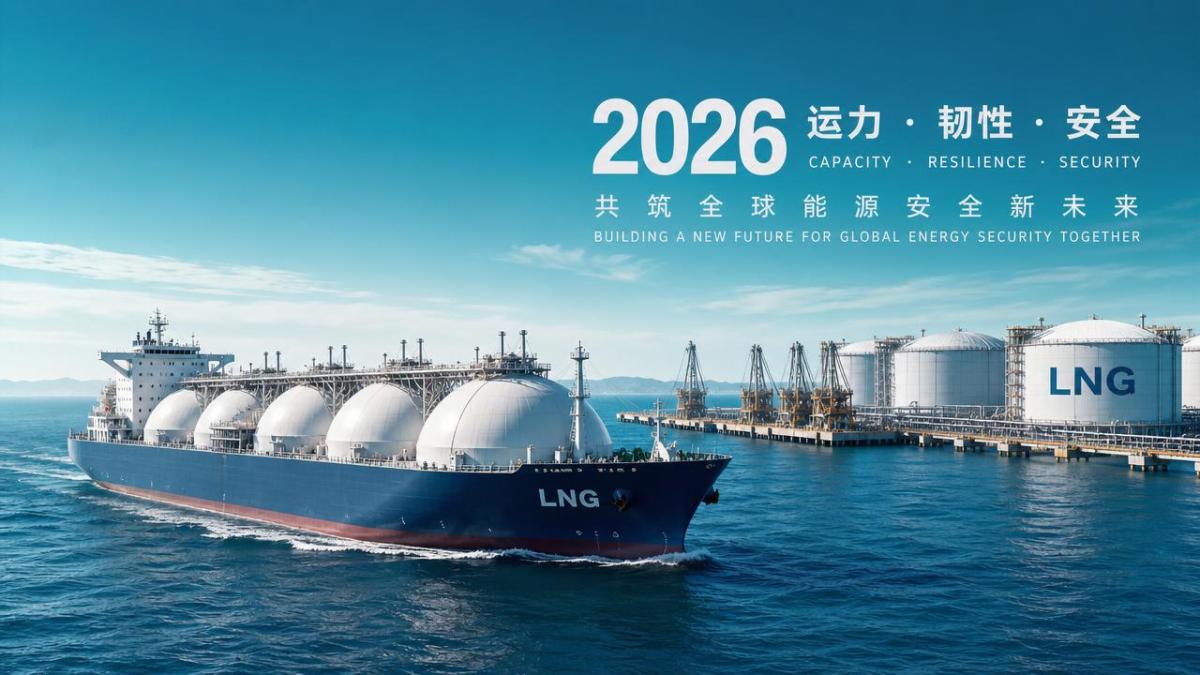
The 2026 outlook for LNG carriers for energy security is shaped by three simultaneous pressures: expanding liquefaction capacity, limited shipyard throughput, and a fleet profile in which older steam-tonnage still influences effective supply. These factors do not point to a single global shortage, but they do increase the probability of regional tightness and timing mismatches.
A vessel delivered on time is not automatically available where demand emerges. Ballast legs, canal constraints, weather-related delays, and terminal scheduling can reduce practical fleet elasticity by several percentage points. In high-demand winter windows, even a 3% to 5% effective capacity loss can materially alter charter negotiations.
Three Structural Drivers Behind Fleet Risk
First, new LNG export projects are expected to create more voyage demand than the market can absorb smoothly if vessel deliveries slip by 3 to 9 months. Yard congestion is not uniform, but specialized LNG construction slots remain more constrained than standard bulk or tanker programs.
Second, fleet aging matters. Older steam turbine LNG carriers can still trade, yet they are often less attractive for long-haul routes because of higher boil-off, lower fuel efficiency, and weaker emissions economics. In practice, “headline fleet size” and “commercially preferred fleet size” are not the same.
Third, energy security planning increasingly favors optionality. Utilities, national buyers, and portfolio traders want access to ships that can switch between Atlantic and Pacific demand centers. That preference supports modern dual-fuel diesel-electric and ME-GI/X-DF tonnage, but it also concentrates demand into a narrower vessel subset.
What This Means for Board-Level Planning
- Charter strategies may need to be locked 6 to 18 months earlier than in softer freight cycles.
- Procurement teams should assess both nominal fleet growth and effective fleet availability.
- Infrastructure investors should model vessel constraints alongside terminal and regasification capacity.
- Risk committees should distinguish seasonal tightness from structural undersupply.
The table below summarizes the main variables affecting LNG carriers for energy security in 2026, with a focus on how each variable changes actual transport resilience rather than theoretical fleet size.
The key takeaway is that energy security depends less on total vessel count than on timely access to the right tonnage. A market can appear balanced on paper yet still produce bottlenecks if preferred ships are tied up, delayed, or diverted by higher-value routes.
Fleet Composition: The Real Capacity Question
When evaluating LNG carriers for energy security, executives should look beyond orderbook headlines. Capacity quality matters. A 174,000 cubic meter modern carrier with efficient propulsion and lower boil-off provides a different commercial outcome from an older vessel of similar nominal size.
This is especially relevant for portfolios exposed to long-haul routes such as U.S. Gulf to Northeast Asia or Qatar to Europe. Extra voyage duration magnifies fuel efficiency differences, boil-off handling performance, and maintenance reliability across a full contract year.
Modern Tonnage Versus Legacy Tonnage
Modern LNG carriers generally deliver better economics in three areas: fuel consumption, cargo retention, and emissions positioning. For long-term offtakers, even modest efficiency gains across 8 to 12 annual voyages can materially reduce delivered cost volatility.
Legacy vessels remain useful in secondary trades or shorter hauls, but they can become less competitive under stricter carbon intensity pressure. Buyers focused on security of supply should therefore screen fleet offers for operational age, propulsion type, and maintenance profile rather than accepting broad “available ship” language.
Core Evaluation Factors
- Containment system condition and boil-off performance.
- Propulsion technology and expected fuel efficiency over a 10- to 20-day voyage.
- Dry-dock schedule and technical off-hire exposure in the next 12 months.
- Compatibility with target terminals, draft limits, and discharge systems.
- Commercial flexibility for spot, short-term, and multi-year deployment.
The following comparison helps decision-makers identify which vessel characteristics matter most when LNG carriers for energy security are evaluated through a resilience lens rather than a simple freight-cost lens.
This comparison does not mean older ships disappear from the market. It means boardrooms should separate “available shipping” from “optimal shipping.” In a tight cycle, suboptimal tonnage may preserve flow, but it can still weaken economics, scheduling confidence, and emissions performance.
2026 Charter Market Dynamics and Procurement Strategy
Charter behavior will be one of the most visible indicators of how LNG carriers for energy security are repriced in 2026. Spot exposure can work in soft markets, but it becomes costly when weather, export outages, or route disruptions compress vessel supply over 30- to 90-day intervals.
For enterprise buyers, the most practical question is not whether to choose spot or term in isolation. It is how to build a layered freight strategy that aligns with cargo portfolio size, seasonal demand peaks, and downstream obligations to utilities, industrial users, or national energy systems.
A Three-Layer Freight Strategy
A resilient approach often combines three layers. The first layer is base-load term coverage for 50% to 70% of expected annual requirements. The second is flexible medium-term coverage for 20% to 30% of expected demand. The third is controlled spot exposure for balancing and arbitrage opportunities.
This structure helps reduce exposure to sudden charter spikes while preserving some upside when the market softens. It also gives procurement teams clearer trigger points for vessel nomination, route planning, and contingency rerouting.
Common Procurement Mistakes
- Relying only on annual average freight assumptions instead of modeling winter peaks.
- Ignoring dry-dock concentration among shortlisted ships.
- Failing to stress-test canal diversion scenarios of 7 to 14 additional days.
- Overvaluing day rate while undervaluing reliability, fuel profile, and terminal fit.
The table below outlines a practical decision framework for executives balancing cost and resilience when selecting LNG carriers for energy security across different contract horizons.
For many enterprise buyers, a blended structure produces the best outcome. It protects critical volumes while limiting overcommitment in a market where route patterns and regional demand can still shift rapidly over 2 to 4 quarters.
Technology, Operations, and the Resilience Gap
The resilience value of LNG carriers for energy security increasingly depends on technology and operating discipline, not just fleet count. Containment integrity, digital voyage planning, engine reliability, and predictive maintenance all influence whether a ship performs as a true strategic asset or merely nominal capacity.
This is where GTOT’s maritime intelligence lens matters. In the same way that advanced rail systems depend on precise control architecture, LNG transportation depends on the synchronized performance of cryogenic insulation, propulsion, cargo handling, and navigation optimization under changing sea and port conditions.
Operational Areas That Deserve Executive Attention
First is containment system condition. Small losses in insulation performance can erode voyage economics over time. Second is fuel and engine management. Third is digital routing, where weather and congestion optimization can save several sailing days across a round trip in stressed corridors.
Fourth is maintenance planning. A technically capable ship that enters dry-dock at the wrong point in the demand cycle can create the same commercial disruption as an unavailable ship. For 2026, alignment between technical calendars and contractual obligations should be reviewed at least every quarter.
Five Practical Checks Before Committing Capacity
- Review vessel age, propulsion type, and most recent technical performance records.
- Map dry-dock and survey events across the next 12 to 18 months.
- Test compatibility with all intended load and discharge terminals.
- Model alternate routing time if strategic canals face restrictions.
- Confirm owner or operator responsiveness for off-hire and emergency substitution.
Executives should also recognize the widening difference between efficient ships and merely compliant ships. The former support lower lifecycle transport cost, smoother terminal integration, and stronger charter desirability. The latter may still trade, but they offer less cushion when the market tightens suddenly.
What Decision-Makers Should Do Now
The 2026 market does not require panic, but it does require earlier and more disciplined planning. LNG carriers for energy security should be treated as part of strategic infrastructure planning, not as a last-mile shipping detail handled only after cargo sourcing is finalized.
A practical board agenda should include four items within the next 90 days: review freight exposure by season, classify cargoes by criticality, evaluate fleet quality thresholds, and define trigger points for term coverage. These steps are especially important for buyers exposed to winter demand or long-haul import dependency.
Priority Actions for 2025–2026 Planning
- Segment demand into critical, flexible, and opportunistic cargo categories.
- Secure modern tonnage early for strategic base-load volumes.
- Build routing contingencies around 7- to 14-day disruption scenarios.
- Use quarterly reviews to align charter cover with project and terminal milestones.
- Integrate technical vessel screening into commercial procurement decisions.
For shipowners and investors, the message is equally clear. Value creation in LNG shipping will increasingly depend on quality of capacity, operational uptime, and ability to serve security-sensitive trade flows. Assets that combine efficient propulsion, robust containment performance, and flexible deployment should retain stronger strategic relevance.
For energy buyers and infrastructure stakeholders, the strongest position is built by linking commercial, technical, and logistics intelligence early. That is where specialized sector analysis adds value: not by chasing headlines, but by translating fleet complexity into procurement timing, risk controls, and investment clarity.
If your organization is reviewing vessel access, fleet exposure, or long-term LNG transport resilience, now is the time to move from market observation to structured action. Contact GTOT to discuss tailored intelligence support, evaluate capacity risk, and explore more solutions for securing LNG carriers for energy security in a tighter 2026 environment.
Recommended News
 May 23, 20262026 Railway Safety Standards: What Is ChangingRailway safety standards in 2026 are shifting toward automation, digital monitoring, and stricter compliance. Learn the key changes and how to strengthen audits, inspections, and safer rail operations.
 May 22, 2026International Shipbuilding Cost Shifts in 2026International shipbuilding in 2026 faces rising costs from materials, labor, compliance, and digital upgrades. Explore smart vessel, LNG, and fleet renewal scenarios to plan better and reduce lifecycle risk.
 May 20, 2026LNG Carriers for Energy Security: 2026 Fleet Risks and Capacity OutlookLNG carriers for energy security face 2026 fleet risks from aging tonnage, shipyard delays, and charter tightness. Explore capacity outlook and smart procurement moves now.
 May 18, 2026Railway Safety Standards Updates That Impact MaintenanceRailway safety standards updates are reshaping inspections, traceability, braking, signaling, and pantograph maintenance. Learn the key changes, compliance risks, and practical actions to cut downtime.
 May 17, 2026High-speed Rail Technology: Key Upgrade Signals for 2026High-speed rail technology is reshaping 2026 rail upgrades. Discover key signals in signaling, pantographs, and braking systems to improve safety, capacity, and lifecycle value.
 May 16, 2026How International Voice Shapes Rail Technology Market AccessInternational voice drives rail market access by turning technical proof into trust. See how stronger global credibility helps win tenders, approvals, and long-term cross-border projects.