Search News
Industry Portal
Popular Tags
Global Supply Chain Risks That Disrupt Delivery Planning
Author
Time
Click Count
Global supply chain disruptions can derail delivery planning, delay critical milestones, and increase project risk across rail, maritime, and industrial operations. For project managers and engineering leaders, understanding where bottlenecks emerge—and how to anticipate them—is essential to keeping complex programs on schedule. In this article, we examine the most common risks impacting global supply chain performance and the practical strategies needed to protect delivery certainty in a fast-changing international environment.
What Global Supply Chain Risk Means in Delivery Planning
In practical terms, global supply chain risk is the possibility that a material, component, or transport leg will fail to arrive when planned, in the condition expected, or at the cost originally approved. For delivery planning, this is not a single issue but a chain of uncertainties. A late factory release can affect export booking, a port backlog can shift vessel timing, and customs checks can interrupt final handover. The result is usually the same: schedule compression, rework, and a higher chance of missing contractual milestones.
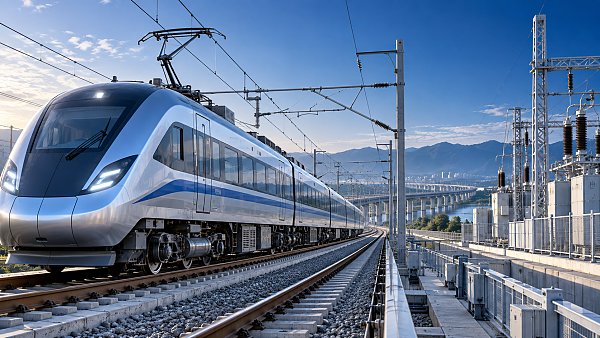
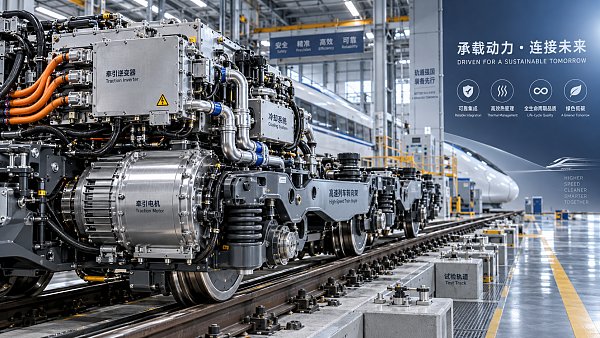
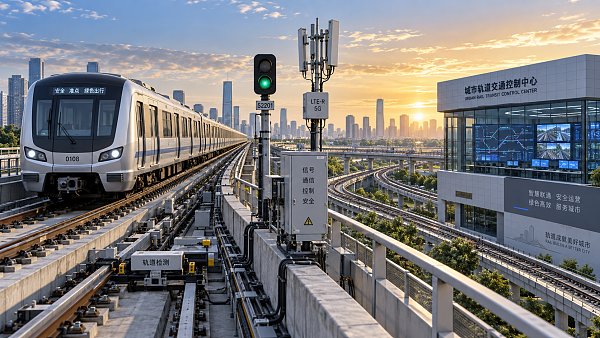
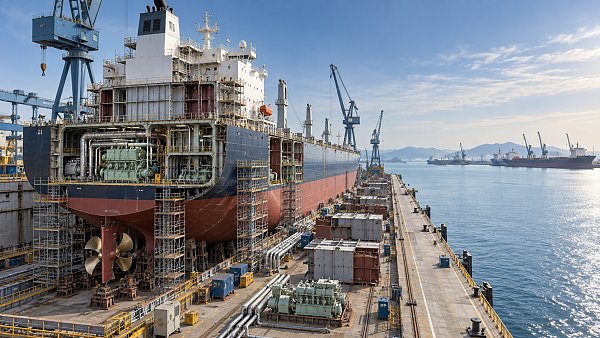
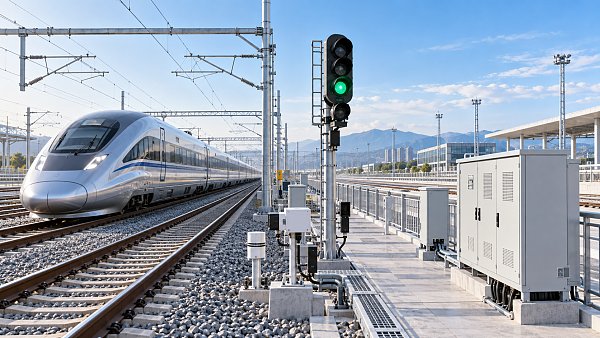
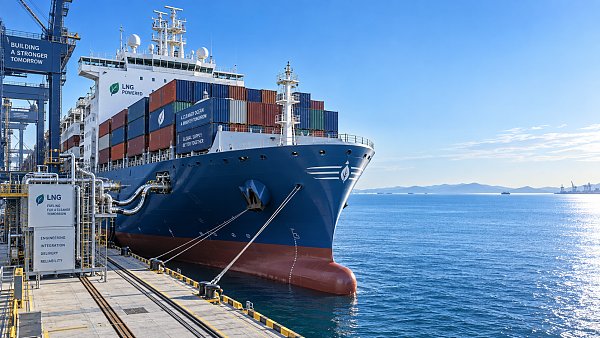
For industries linked to rail signaling, traction systems, pantographs, braking systems, smart container ships, or LNG carriers, these risks are especially sensitive because many components are engineered, regulated, and long-lead. A small delay in one imported subassembly can affect testing, commissioning, and revenue recognition across an entire project.
Why These Risks Matter More in Global Operations
The global supply chain has become more interconnected, but also more fragile. Project teams now face overlapping pressures: geopolitical friction, shipping volatility, raw material shortages, labor constraints, and stricter compliance checks. For engineering project owners, the challenge is not only getting parts delivered; it is preserving delivery sequence, technical conformity, and site readiness.
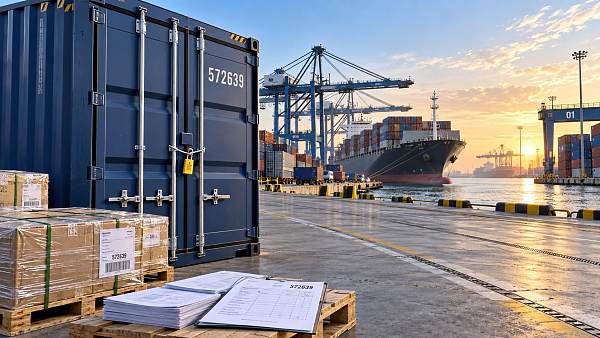
This is where global supply chain thinking becomes a planning discipline rather than a logistics function. A delivery plan must account for manufacturing lead time, international transit risk, document accuracy, inspection windows, and installation dependencies. If any one layer slips, downstream work can stall. In rail and maritime programs, that can mean missed integration tests, delayed port acceptance, or postponed system trials.
Common Risk Categories Affecting Delivery Certainty
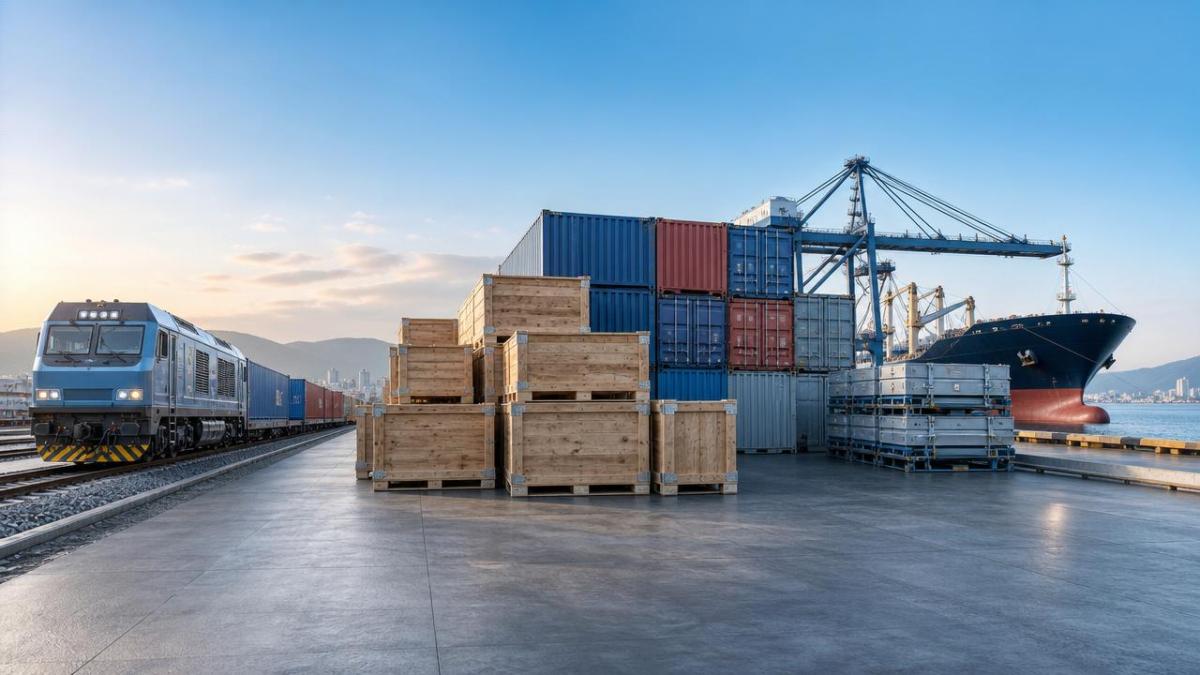
Project managers should classify global supply chain risk into a few practical categories. This helps teams assign owners, build buffers, and respond early instead of reacting after the delay has already occurred.
Where the Business Value Shows Up
Managing global supply chain risk is not only about avoiding delay. It also protects asset utilization, contract performance, and technical credibility. In capital-intensive sectors, an on-time delivery can preserve commissioning sequences, reduce standby costs, and support customer confidence. For EPC contractors and distributors, reliable execution is often the difference between repeat business and a damaged reputation.
GTOT’s focus on railway control systems, traction components, braking technology, smart vessels, and LNG carriers reflects this reality. These are not generic commodities. They are systems where performance, safety, and timing are tightly linked. Delivery planning must therefore align supply chain visibility with engineering milestones, not treat shipping as an afterthought.
Typical Stakeholders and Their Concerns
Different teams experience global supply chain risk in different ways. Recognizing these differences improves coordination and reduces blind spots.
Practical Ways to Reduce Delivery Risk
A strong response to global supply chain uncertainty starts early. First, map every critical item against its manufacturing lead time and transport path. Second, identify which components have no easy substitute, especially safety-related items such as signal controls, brake assemblies, or cryogenic systems. Third, create scenario-based schedules that include delayed departure, rolled vessel bookings, and customs hold assumptions.
It also helps to strengthen supplier governance. Clear inspection points, document checklists, and change approval rules prevent many avoidable problems. For international programs, digital tracking tools can improve visibility, but only if the data is updated consistently by all parties. When teams rely on outdated shipping status, they lose precious reaction time.
Finally, build resilience into the contract structure. Shared risk registers, realistic milestone buffers, and predefined escalation paths can reduce disputes when disruptions occur. In the context of global supply chain delivery planning, resilience is not excess; it is controlled preparedness.
A Simple Planning Checklist
Before locking a delivery plan, teams should confirm five questions: Is the supplier schedule realistic? Is the shipping route stable? Are compliance documents complete? Is the installation sequence protected? And what is the backup plan if one critical leg slips? These questions are basic, but they often reveal hidden weaknesses that more detailed schedules miss.
For complex rail and maritime programs, this checklist should be reviewed at every major gate, not only at procurement kickoff. Delivery certainty is built through repetition, verification, and early intervention.
Conclusion
Global supply chain risks are now a central part of delivery planning, especially for high-spec equipment and infrastructure projects. The organizations that perform best are those that treat supply chain visibility as a core management capability, not a back-office task. By combining risk classification, milestone discipline, and practical contingency planning, project managers can protect schedules, reduce stress, and maintain confidence across global operations.
If your program depends on long-lead rail, maritime, or industrial equipment, start by reviewing where your global supply chain is most exposed—and strengthen those points before the next disruption arrives.
Recommended News
 Sep 29, 2026What drives traction systems price differences between rail projects?Traction systems price differences explained: compare duty cycles, voltage compatibility, integration, localization, and lifecycle costs for smarter rail procurement.
 Sep 26, 2026What to assess before selecting an electric traction system manufacturerChoose an electric traction system manufacturer with confidence. Explore key criteria for performance, reliability, safety, integration, energy efficiency, and lifecycle support.
 Sep 25, 2026When do full digitalization systems justify the investment?Full digitalization systems: discover when rail and maritime operators can turn connected data into safer operations, higher availability, and measurable ROI.
 Sep 23, 2026What drives automatic train control systems cost on rail projects?Automatic train control systems cost depends on integration, migration, safety testing, communications, and lifecycle support. Explore the key budget drivers for rail projects.
 Sep 21, 2026How to assess an ocean going vessel builder’s delivery riskAssess an ocean going vessel builder’s delivery risk with proven checks for schedules, capacity, design maturity, critical equipment, quality, and project controls.
 Sep 20, 2026What drives rail safety technology costs over a project lifecycle?Rail safety technology cost goes beyond equipment—explore lifecycle drivers from integration and safety assurance to cybersecurity, commissioning, and obsolescence.
 Sep 16, 2026What to verify before choosing an advanced ocean-going vessels supplierAdvanced ocean-going vessels supplier checklist: verify design authority, build quality, digital systems, delivery reliability, and lifecycle support before you buy.
 Sep 15, 2026What rail safety technology best reduces level-crossing risks in Southeast Asia?Rail safety technology Southeast Asia: discover how fail-safe signalling, barriers, obstacle detection and remote monitoring reduce level-crossing risks.
 Sep 14, 2026How exporters can reduce customs delays in global trade logisticsGlobal trade logistics for exporters: reduce customs delays with accurate data, clearance-ready documents, early filing, and proactive exception management.
 Sep 13, 2026When do global transportation network systems reduce delivery delays?Global transportation network systems reduce delivery delays by improving rail-port-vessel coordination, real-time visibility, and proactive decisions across complex land-sea supply chains.
 Sep 09, 2026When should you choose a rail and maritime manufacturer with dual-sector capability?Rail and maritime manufacturer guide: learn when dual-sector capability reduces integration risk, improves lifecycle support, and strengthens rail-to-port operations.
 Sep 08, 2026What to verify before selecting a railway signalling equipment supplierRailway signalling equipment supplier checklist: verify safety evidence, integration, cybersecurity, delivery capability, and lifecycle support before award.
 Sep 07, 2026How to size a traction power transformer for railway load demandTraction power transformer sizing guide: model railway load demand, peak duty, voltage regulation, harmonics, and contingency capacity for reliable service.
 Sep 07, 2026How do customization options for industrial connectors affect lead times?Customization options for industrial connectors can impact lead times, cost, and compliance. Learn how to specify smarter for rail and marine projects.
 Sep 05, 2026What information should an industrial sourcing guide include?Industrial sourcing information procurement guide: evaluate suppliers, compliance, lifecycle costs, interfaces, and lead times for smarter rail and maritime purchasing decisions.
 Sep 01, 2026How to find reliable maritime tender information before biddingMaritime tender information: learn how to verify sources, define bid-ready scopes, check qualifications, and reduce risk before submitting competitive marine bids.
 Aug 30, 2026How to select railway automation equipment for depots with phased upgradesRailway automation equipment for depots: learn how to plan phased upgrades that improve safety, throughput, integration, and lifecycle control.
 Aug 27, 2026How industrial sourcing intelligence pricing data supports budget approvalIndustrial sourcing intelligence pricing data helps teams benchmark scope, assess supplier risk, and build defensible budget approvals for complex rail and maritime assets.
 Aug 26, 2026When does a marine fuel efficiency solution make financial sense in the Middle East?Marine fuel efficiency solution Middle East: learn when retrofit savings, compliance value, and vessel data align to deliver credible ROI and smarter shipping investment decisions.
 Aug 24, 2026When does maritime automation for tankers deliver a real payback?Maritime automation for tankers delivers real payback when it cuts fuel use, reduces cargo risk, and improves uptime. See how owners can time investment for stronger ROI.
 Aug 23, 2026When do maritime logistics systems in the Middle East justify the costMaritime logistics systems Middle East: discover when rising delays, manual coordination, and poor visibility make system investment the smarter move for regional operators.
 Aug 22, 2026What drives vessel navigation system price for commercial fleetsVessel navigation system price depends on integration, compliance, automation, and support—not just hardware. Learn what drives fleet costs and compare quotes with confidence.
 Aug 21, 2026How to assess shipbuilding maritime tenders before biddingShipbuilding maritime tenders require more than price checks. Learn how to assess technical scope, compliance, supply chain, and commercial risk before bidding with confidence.
 Aug 20, 2026When does working with an ocean-going vessels distributor reduce supply risk?Ocean-going vessels distributor: learn when this partner cuts supply risk through stronger compliance, faster response, and better sourcing resilience in complex maritime procurement.