



Search News
Industry Portal
Popular Tags
Railway Safety Technology Trends in 2026: From Detection to Predictive Prevention
Author
Time
Click Count
In 2026, railway safety technology is no longer judged only by how fast it detects a fault. The bigger shift is its ability to anticipate unsafe conditions before service disruption, asset damage, or passenger risk takes shape.
That change matters because rail networks are carrying more density, more automation, and tighter punctuality targets at the same time. Safety performance now depends on how signalling, braking, traction power, and inspection data work together.
For organizations tracking high-value transport systems, this is also part of a wider industrial trend. As GTOT often highlights across rail and maritime sectors, operational resilience increasingly comes from better intelligence stitching, not from isolated hardware upgrades.
Why predictive prevention is becoming the new safety baseline
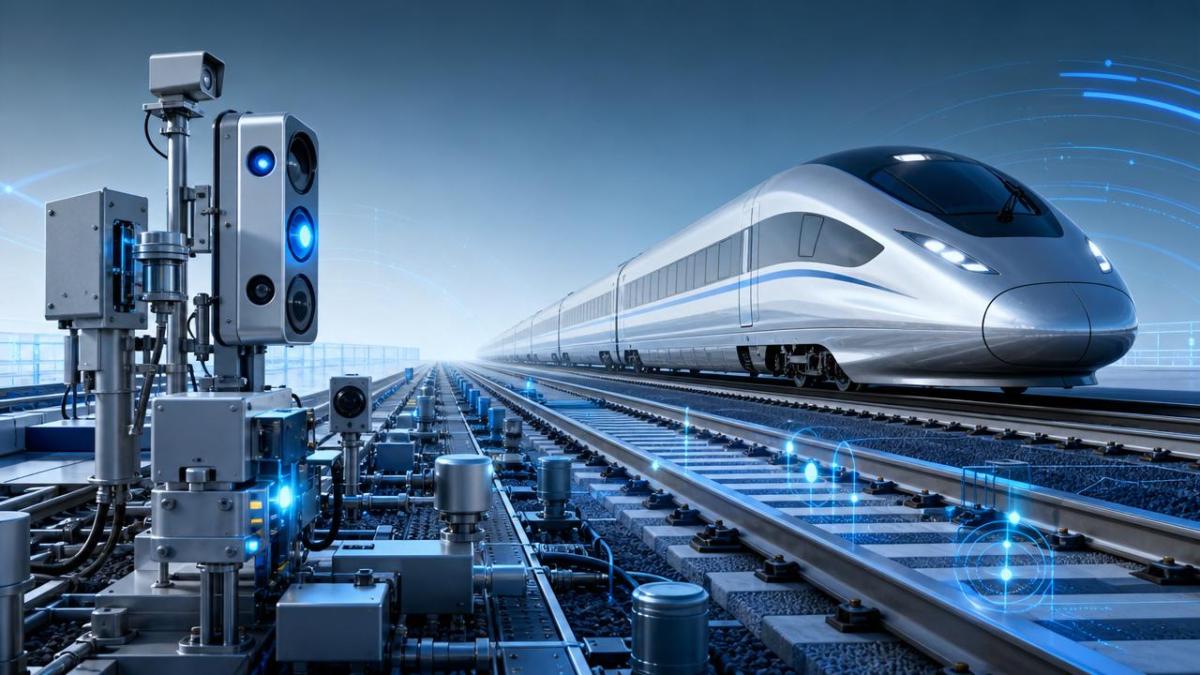
The traditional model of railway safety technology focused on alarms, inspections, and post-event analysis. That model still matters, but it reacts after degradation has already entered the system.
Predictive prevention works earlier. It combines condition monitoring, historical failure patterns, environmental inputs, and real-time control data to flag rising risk before a component reaches a dangerous state.
This approach is especially relevant on high-speed corridors and busy urban lines. Small deviations in braking response, pantograph contact quality, interlocking timing, or wheel-rail interaction can quickly become system-wide issues.
In practical terms, railway safety technology is moving from event reporting to risk forecasting. That improves maintenance timing, supports safer dispatch decisions, and reduces hidden exposure between scheduled inspections.
What sits inside railway safety technology in 2026
The term covers more than surveillance cameras or trackside detectors. In current rail operations, it includes the full chain of sensing, decision logic, control execution, and traceable safety evidence.
Core technology layers
- AI-assisted inspection for track, overhead line, wheelset, brake, and switch condition.
- Real-time diagnostics linked to onboard systems and wayside monitoring points.
- Safer signalling architectures, including SIL4-oriented interlocking and movement authority validation.
- Traction and braking coordination that identifies unsafe response gaps under speed or load changes.
- Communication layers that keep alarms, timestamps, and maintenance records synchronized.
What is changing is not only the sophistication of each layer. More important is the integration between them, because fragmented safety data rarely supports reliable prevention.
GTOT’s long view across signalling systems, pantographs, and braking systems is useful here. In high-consequence transport, the safety result depends on how components interact under real operating stress, not on isolated specifications.
The biggest trends shaping risk control
Several trends are defining how railway safety technology is being evaluated in 2026. They are technical, but their business impact is immediate.
Data fusion replacing single-point alarms
A brake temperature alert means more when combined with speed profile, axle load, weather, and recent maintenance history. Safety teams are increasingly looking for correlation, not isolated signals.
Onboard and wayside diagnostics working together
Vehicle health data alone cannot explain track-side contributors. The stronger systems compare onboard measurements with route conditions, turnout status, power quality, and overhead contact behavior.
Prediction tied to operational decisions
Good prediction is not just a dashboard score. It should trigger usable actions such as speed restriction, maintenance prioritization, train substitution, or route reassignment.
Traceability becoming a safety requirement
When a risk score changes, teams need to know why. Audit trails, sensor confidence, and logic transparency are becoming essential in regulated railway safety technology environments.
Where the value shows up first
Not every rail asset benefits in the same way. Some areas show earlier returns because the cost of late detection is much higher.
The strongest results usually appear where safety-critical systems also drive schedule reliability. In those cases, prevention improves both protection and availability.
How to interpret technology claims in real projects
The market for railway safety technology is crowded with analytics claims. A practical evaluation starts with evidence quality rather than headline promises.
Questions worth asking
- Which failure modes are actually covered, and which are only inferred indirectly?
- How often are false positives generated under normal operating variation?
- Can the system separate component faults from route or weather effects?
- Does the output support action thresholds, or only produce general warnings?
- How well does the logic align with SIL, maintenance, and audit requirements?
It is also useful to check whether a platform understands interdependencies. For example, a braking anomaly may be linked to traction behavior, adhesion changes, or control timing, not only brake hardware.
This is where sector intelligence matters. Platforms such as GTOT add value by connecting component-level knowledge with broader transport patterns, helping technical teams judge whether a signal is local, systemic, or market-wide.
A broader transport lesson behind the rail shift
Rail is not the only sector moving in this direction. Smart container ships and LNG carriers are also relying on predictive monitoring to protect high-value assets in complex environments.
That parallel matters because it shows a common industrial rule. When operations become faster, more connected, and less tolerant of downtime, safety depends on earlier insight and cleaner decision logic.
For railway safety technology, that means better use of control data, stronger integration between vehicle and infrastructure, and more disciplined interpretation of weak warning signs.
What to prioritize next
A useful next step is to map current safety controls against the moments when risk is still invisible. Those hidden intervals often reveal where predictive prevention can create the most value.
Then compare three things: data coverage, actionability, and traceability. If a railway safety technology solution cannot support all three, its prevention value may remain limited.
It also helps to review assets by consequence, not by maintenance habit. Signal control, pantographs, braking systems, and traction interfaces usually deserve earlier attention because their failure paths escalate quickly.
In 2026, the strongest rail safety strategies are not simply more digital. They are more selective, more connected, and more capable of turning technical signals into timely operational judgment.
That is the real direction of railway safety technology now: less dependence on late discovery, and more confidence in preventing unsafe conditions before they become incidents.
Recommended News